
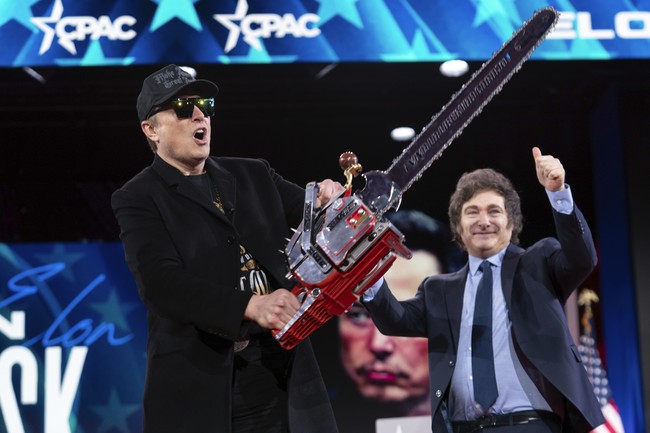
Elon Musk appears ready to flood the fall midterms with major funding that could erase Democrats’ financial edge in key states like Texas, and that shift has national GOP operatives and local Republicans recalibrating strategy as November approaches.
In 2025 Musk publicly said he planned to cut back on political spending, yet by year’s end he had poured more than $73 million into Republican causes, including approximately $45 million to America PAC. Now reports indicate he may be preparing another nine‑figure commitment — figures floated range from $100 million to $200 million — aimed at boosting turnout and supporting competitive Republican Senate and House bids. The move would mark an aggressive escalation in outside money aimed at changing the balance in tight races where Democrats have relied on out‑of‑state cash.
Texas sits squarely in the crosshairs of that potential spending. Republican Senate nominee Ken Paxton has run a campaign on a shoestring by comparison, reporting roughly $9.24 million raised after launching in April 2025 and about $1.76 million in the bank through late June. His Democratic opponent, James Talarico, has attracted a flood of outside donations and reported totals around $68.56 million with roughly $21.55 million on hand, a stark fundraising gap that has framed much of the early narrative.
Despite being outspent by many multiples, Paxton has remained competitive in the polls. An Emerson College survey of likely Texas voters taken August 9 and 10 showed Paxton ahead 47 percent to 46 percent, with 5 percent undecided and a margin of error of plus or minus three points. That kind of tight result keeps the state in play, because a targeted field and turnout program could flip the outcome without matching the opponent dollar for dollar.
America PAC — the group most often linked to Musk’s political reinvestment — has been expanding its operation and planning field work in at least eight states. Internal budgets reported in planning documents put the PAC’s program between $100 million and $120 million, emphasizing state battlegrounds such as Texas, Georgia, and North Carolina, along with targeted House efforts in California, Wisconsin, and Washington. The strategy reflects a shift from purely national messaging to direct voter contact in microtargeted districts.
America PAC’s 2024 playbook leaned heavily on outside canvassing firms, with more than $46 million paid to vendors who tracked down likely Trump supporters who had not voted reliably. That investment helped deliver narrow wins in several battlegrounds. This cycle, sources say the operation is being brought in‑house to tighten control and apply lessons learned, suggesting a more disciplined, efficient use of funds aimed at recovering dormant conservative voters.
Organizers inside Republican circles expect any fresh Musk money to focus on boosting turnout among conservatives who typically sit out midterms, using door‑knocking, digital ads, mail, and voter file work. For a campaign like Paxton’s, that infrastructure could provide organizers, operational data, and ad buys without forcing the campaign to spend its modest war chest too early. The added resources would free up campaign funds for late advertising pushes and final GOTV efforts.
“In terms of political spending, I’m going to do a lot less in the future. I think I’ve done enough.”
That May 2025 quote is part of the puzzle: Musk’s public restraint versus his private and subsequent spending behavior. Between large checks to national super PACs and targeted donations to specific races, his pattern shows a willingness to deploy capital where it can flip narrow margins. In June he wrote $5 million checks to multiple high‑profile Republican funds and later added multimillion donations to individual campaigns, signaling sustained engagement rather than a one‑off intervention.
Political scientists and operatives acknowledge the disruptive effect another major infusion would create. Northeastern University professor Costas Panagopoulos warned that another nine‑figure push would force campaigns nationwide to rethink budget priorities and field investments. In close contests, a well‑executed ground game funded at scale can alter outcomes without matching opponent spending on a line‑item basis.
In Texas, the numbers underline the stakes: Talarico has raised roughly $60 million more than Paxton and maintains a sizable cash advantage, yet Emerson’s polling still showed him trailing. That reality is breathing new life into the GOP argument that targeted spending and organization, not just raw fundraising totals, determine election results in tightly contested states. With a potential Musk‑backed operation poised to mobilize dormant conservative voters, the battlefield dynamics heading into November could shift quickly.
Add comment