
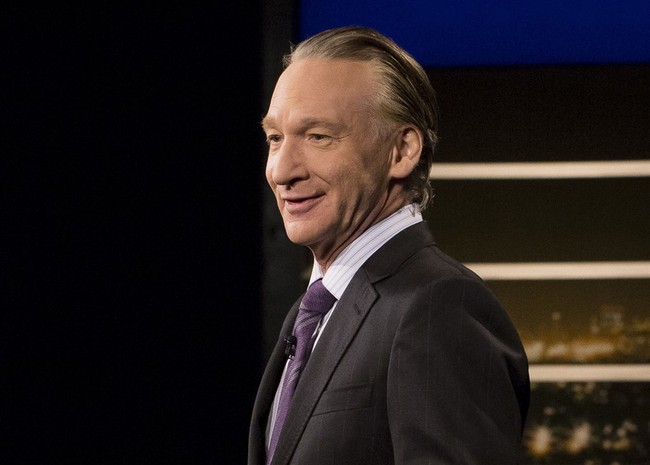
Bill Maher delivered a blistering critique of the Democratic Party on his HBO show Real Time, arguing their fixation on cultural flashpoints and failure to confront antisemitism are driving voters away and could cost them in upcoming races.
Maher opened by saying Democrats have been out of step with ordinary concerns, fixating on culture wars instead of bread-and-butter issues. He argued that this focus makes the party look detached and ideologically extreme to many Americans. That disconnect, he insisted, leaves voters uneasy and ready to punish candidates at the ballot box.
He described how Democrats “harp[ed] on cultural issues where the country thought they had lost their minds.” That line captures his view that too many in the party chase woke talking points that alienate persuadable voters. From Maher’s perspective, those issues create easy fodder for political opponents and erode trust with the middle.
Maher painted a vivid picture of how cultural controversies become caricatures in voters’ minds, listing examples that have stuck with the electorate. He said, “The other people are saying, ‘Yeah, but they want to get rid of Thanksgiving.’ We like Thanksgiving…And then they can’t define a woman, and they think the WNBA should be full of men, and just crazy stuff. And so they kind of opened the door for that.” Those words underscore his point that messaging missteps multiply into perceptions of instability.
https://x.com/VigilantFox/status/2091046958056010157
He pushed beyond messaging to an accusation many on the right have been making: a tolerance for hostility toward Jews inside parts of the Democratic coalition. Maher was blunt: “Well, in the Democratic Party, as long as that faith isn’t Jewish, you’re good.” He suggested that this tolerance is not a marginal problem but one that affects the party’s image among Jewish voters and others concerned about decency and safety.
When pressed by his guests, Maher doubled down. He pointed to elected officials and activists who, in his telling, have embraced extreme rhetoric about Israel and Gaza without noting the consequences for pluralism or for American allies. That environment, he argued, pushes moderate Democrats into uncomfortable positions or into voting Republican out of concern for basic principles.
Bash responded to some of Maher’s claims with visible discomfort, but Maher stayed on message: “I said it cause it’s true,” he replied, refusing to back down. He highlighted specific political flashpoints, including statements about Gaza and how certain words are being applied casually in ways that blur important distinctions. According to Maher, that looseness erodes credibility when precise language matters most.
Warning for graphic language:
Maher argued the Left has stretched terms like genocide beyond their legal and historical meaning, saying, “They think Gaza is a genocide. It is not. There’s an actual meaning to the word genocide. It doesn’t come close…And they’ve all just signed on to this because they’re just big on buzzwords and lawn signs and bumper stickers. That’s as deep as they go.” His critique is that casual use of incendiary labels inflames voters and makes serious debate impossible.
He also singled out elected Democrats who have felt the pressure from activists demanding absolute conformity on these issues. Maher raised the case of one state senator who was surrounded and harassed by activists until he used the demanded term, even after he had already conceded to their framing. The spectacle, Maher said, demonstrates that party leadership often lets radicals set the agenda.
On social issues and identity politics, Maher took aim at the performative element he sees driving a wedge with the broader electorate. He ridiculed the notion of political tests for identity, calling out activists who would deny someone’s status unless they parrot a particular line on foreign policy. In his telling, that kind of purity politics repels independent voters and costs the party crucial support.
Maher warned the Democrats are flirting with electoral disaster because these trends show no sign of meaningful correction from party leaders. He observed voters in places like Michigan are already splitting their tickets, opting for Republicans in key races over Democrats who seem tethered to activist demands rather than practical governance. For Maher, the choice looks straightforward: change course or lose power.
Throughout the segment he returned to the theme that Democrats are failing to police their own extremes and that those failures are politically costly. He called the party cowardly for not confronting its activists, arguing that avoiding hard choices for fear of internal backlash is a poor long-term strategy. That criticism is meant to resonate with voters who prize firm leadership and clear priorities.
Maher’s overall contention is that Democratic leaders need to reassert control, prioritize mainstream concerns, and reject the most radical impulses within their ranks. Whether the party heeds that advice remains to be seen, but his remarks add another layer of conservative critique suggesting the Left’s internal divisions are an opportunity for Republicans at the ballot box.



Add comment