
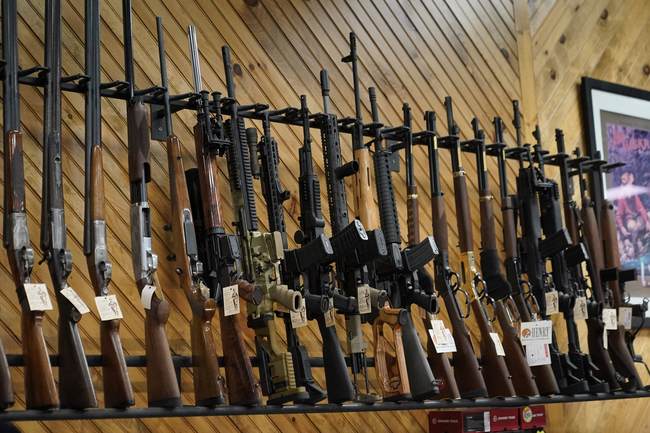
Virginia’s attempt to ban certain firearms is on hold after a judge issued an injunction, but allegations have surfaced that background checks for those weapons are being intentionally delayed. The Justice Department has reportedly opened an inquiry, and state authorities say the backlog is due to volume. This situation revives familiar patterns around pending gun restrictions and raises questions about how government agencies handle surge demand and legal uncertainty. The fight now centers on whether delays are intentional or simply the byproduct of a system under strain while litigation proceeds.
The law aimed at “assault weapons” was paused by a court order, which should have halted enforcement while the case moves through litigation. That legal pause gave gun buyers and sellers a temporary reprieve, yet some buyers say their background checks are stalling for weeks. Those delays feed the perception that officials might be using administrative tactics to achieve outcomes the courts put on hold.
A top DOJ prosecutor responded to concerns raised by a Virginia resident and fellow Trump administration official over alleged slow-walking of background checks after a judge temporarily blocked a sweeping “assault weapons” ban that otherwise was set to take effect Wednesday.
The uproar comes as Richmond becomes the latest Democrat-run capital to pursue restrictions on Second Amendment-related activities. The Supreme Court’s recent rulings against New York’s and the District of Columbia’s gun laws have given conservatives major legal victories in their efforts to challenge similar measures.
Amid Virginia’s legal fight, critics accused state police of intentionally slow-walking background checks to effectively backdoor-enforce the law while it is litigated. Assistant Attorney General for Civil Rights Harmeet Dhillon responded that her office is “” case and other instances of “gun-grabbing nonsense nationally.”
People who lived through the 1994 federal assault weapons ban remember a familiar spike in purchases as word of new rules spread. Dealers and buyers rushed to complete transactions before restrictions took effect, and that surge strained the background check system. Now, as Virginia’s measure faced a temporary block, similar buying patterns may be pushing the state’s Firearms Transaction Center beyond its normal capacity.
After the ruling, FTC Commissioner Andrew Ferguson tweeted that he encountered what he called an “en masse” delay in background checks after visiting his local gun store. The checks are handled by the Virginia State Police.
The top cop at VSP, Col. Jeffrey Katz, is both a Spanberger appointee and listed the defendant in the Lancaster case.
“The Virginia State Police is is delaying background checks en masse in one of the most flagrant violations of our rights that I’ve seen. This is outrageous,” Ferguson said.
“Our police are aiding radical leftists to disarm Americans.”
State police officials push back on the claim that delays are deliberate. They point to a steep rise in filings and say the Firearms Transaction Center is handling a flood of transactions that has driven up turnaround times. According to the agency’s statements, they processed an extraordinary number of transactions in a short span and are working through the backlog as quickly as they can.
When asked about the allegation, VSP suggested there was no intentional slow-walking and said troopers have seen a spike in applications over the past month.
“The Firearms Transaction Center is seeing a large number of transactions. The [center] has processed over 100,000 transactions in June alone and have been averaging over 5,000 transactions a day,” said Matthew Demlein, an ombudsman for the state police.
“The [center] is working diligently to complete each transaction.”
The Department of Justice reportedly has taken notice and is looking into whether any agency actions crossed legal lines. For conservatives, the concern is twofold: first, that administrative slow-walking can undermine judicial relief granted by injunctions; and second, that such tactics can erode trust in law enforcement impartiality. If delays are intentional, they would represent a serious affront to due process and statutory limits on administrative discretion.
At the same time, courts are now operating against the backdrop of recent Supreme Court decisions that bolstered Second Amendment protections, which could influence outcomes in Virginia. The legal precedent set by higher courts gives challengers stronger footing to argue that state measures and enforcement tactics violate constitutional rights. That legal context matters in assessing both the injunction and any alleged backdoor enforcement.
For gun owners and dealers, the immediate effect is uncertainty mixed with pressure: people rush to complete lawful purchases while worrying whether administrative hurdles will block sales already approved or pending. State officials say their workload has ballooned and that no deliberate policy exists to deny or delay lawful transactions. Skeptics on the ground remain unconvinced and welcome federal scrutiny.
Meanwhile, litigation over the law will continue and likely move slowly, with injunctions and appeals shaping the timeline. The procedural skirmish over background checks is not just an operational issue; it’s a political one, exposing how controversial laws play out in real time. Whatever the eventual ruling, this episode shows how quickly administrative capacity and legal fights intersect when gun policy is in flux.
Another statewide injunction was reportedly entered while this was being written .
https://x.com/joedodson16/status/2071698347694371275?ref_src=twsrc%5Etfw


Add comment