
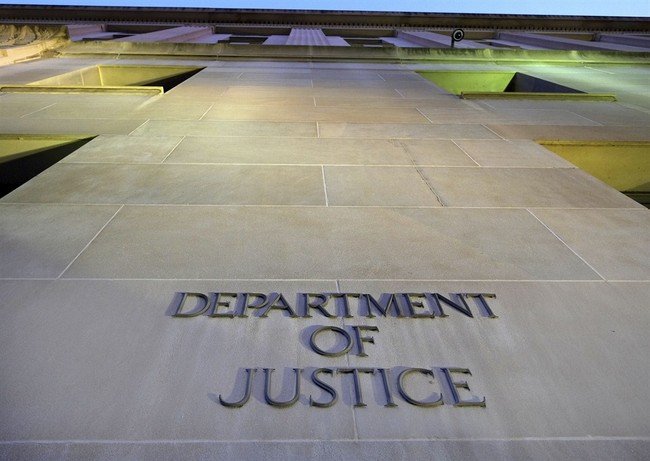
The DOJ has arrested two Virginia brothers accused of using contractor access to delete and steal U.S. government data, raising sharp questions about hiring, oversight, and who gets trusted with critical systems.
DOJ Nails VA Bros Who Never Should’ve Had Access to Federal Data for Plot to Destroy Gov’t Databases
The Department of Justice announced criminal charges against twins Muneeb and Sohaib Akhter, who are accused of exploiting their positions as federal contractors to attack government databases. Officials say the brothers targeted databases maintained for U.S. agencies and removed or destroyed records, actions that allegedly compromised investigations and Freedom of Information Act materials. From a law-and-order standpoint, the case reads like a nightmare of insider risk and lax post-hire screening. It also stings politically: taxpayers expect their data to be guarded, not weaponized by people the government itself hired.
Acting Assistant Attorney General Matthew R. Galeotti described the brothers as using their access to “attack government databases and steal sensitive government information.” Those are precise words that capture the severity of what the DOJ alleges. The indictment says the attacks disrupted agencies’ ability to serve the American people, which is a damning claim when you consider how many services depend on reliable data. If true, this was not a petty theft but an assault on government operations.
According to the DOJ paperwork, after being fired, the Akhter brothers allegedly returned to systems and took steps to prevent recovery and cover their tracks. The document claims they issued commands to stop others from modifying databases, deleted data, and attempted to erase logs. One alarming line in the indictment notes that about a minute after deleting a Department of Homeland Security database, Muneeb Akhter sought guidance from an artificial intelligence tool on how to clear system logs. That detail suggests forethought and an attempt to evade detection, not a spontaneous mistake.
The indictment lays out a concrete tally: the deletion of approximately 96 databases that stored U.S. government information. Many of those databases reportedly held records tied to Freedom of Information Act requests and sensitive investigative files. Losing that kind of data can slow or derail inquiries, hamper transparency, and create a long tail of administrative chaos. The practical fallout goes beyond headlines; agencies and citizens both pay the price when institutional memory and records vanish.
Following the termination of their employment, the brothers allegedly sought to harm the company and its U.S. government customers by accessing computers without authorization, issuing commands to prevent others from modifying the databases before deletion, deleting databases, stealing information, and destroying evidence of their unlawful activities.
The indictment alleges that on or about Feb. 18, Muneeb Akhter deleted approximately 96 databases storing U.S. government information. Many of these databases contained records and documents related to Freedom of Information Act matters administered by federal government departments and agencies, as well as sensitive investigative files of federal government components.
Court documents further allege that approximately one minute after deleting a DHS database, Muneeb Akhter asked an artificial intelligence tool how to clear system logs following the deletion of databases.
What is particularly troubling is that this is not a first offense. The brothers were previously indicted in 2015 and served prison time for related cyber offenses involving government systems. Muneeb received 39 months and Sohaib 24 months, followed by supervised release. That criminal history should have triggered enhanced scrutiny before anyone ever allowed them back near federal systems. Instead, the pattern suggests a failure in vetting and access controls that is hard to excuse.
Vetting standards and contractor oversight are supposed to protect sensitive systems, but this case shows those safeguards can fail spectacularly. Agencies rely heavily on contractors for tech work, yet the processes for background checks, access revocation, and monitoring often lag behind actual risks. Americans pay for their government to function; they deserve systems secured against insiders with motives to retaliate or steal.
From a conservative perspective, the obvious remedy starts with accountability and tightened hiring controls. If someone with a relevant criminal record ends up wielding destructive power over federal data, there needs to be a clear explanation and consequences for the agencies or contractors that cleared them. Strengthening authentication, logging, and rapid access termination must be priorities to reduce the chance of a repeat.
The allegations here, if proven, reveal a dangerous mix of technical know-how and bad intent. The federal government must not only pursue criminal charges, it must also fix the policy and procedural holes that let this happen. Trust in public institutions depends on both enforcement and prevention, and this case will test whether the system can learn from a very public failure.



Add comment