
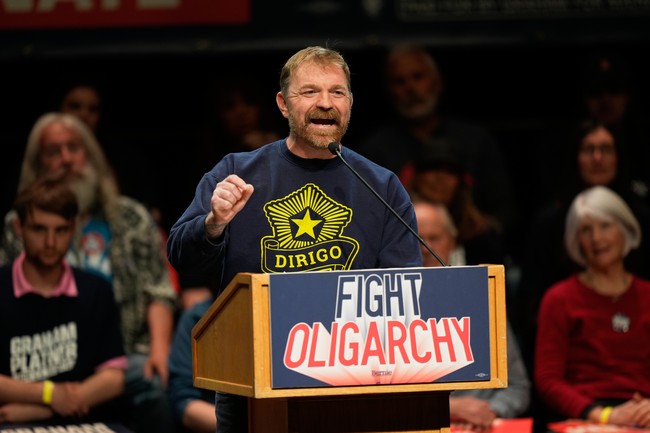
The revelations around Maine Senate candidate Graham Platner have exposed a messy divide among Democrats, with reactions ranging from cautious concern to defensive spin. Allegations include heavy drinking, abusive behavior, troubling comments about rape, and a Nazi tattoo that Platner says he did not understand, while several Democratic figures weigh in with conflicting takes. This article lays out those reactions, the key allegations, and the political tension they create for a party trying to balance principle and power.
Dem Reactions to New Platner Revelations: the Good, the Bad – and the *Really* Ugly
The story started with multiple allegations from former partners and associates that paint a disturbing picture of Platner’s behavior. Among the claims are heavy drinking, verbal abuse, and a pattern of comments and actions former partners found threatening and dehumanizing. Those revelations forced Democrats to react publicly, and their responses reveal both genuine concern and political hesitancy.
One allegation that has drawn particular attention involves comments an ex-girlfriend attributed to Platner about rape. The quote was printed directly by a major outlet and has not been altered here: “He said this a lot: If anybody ever broke in here, I would rape them,” said 40-year-old Lyndsey Fifield, who dated the Maine candidate from 2013 to 2015.
“He said this a lot: If anybody ever broke in here, I would rape them,” said 40-year-old Lyndsey Fifield, who dated the Maine candidate from 2013 to 2015.
“He was like, ‘I would rape them to show them that I’m dominant,’” she told the New York Times, adding Platner would clarify that he wouldn’t be raping the hypothetical intruders in “a sexual way, not in a gay way.”
Platner has appeared on TV denying any physical abuse and downplaying the intent behind his words, while contesting the meaning of a tattoo critics call extremist. Those denials have not quieted critics, because witnesses and contemporaneous texts reportedly contradict his account about the tattoo and what he knew. When evidentiary claims are in dispute, political actors face a choice between standing by their nominee or acknowledging the seriousness of the charges.
Some Democrats have publicly expressed discomfort and concern, signaling that the party is not monolithically defensive. Representative Raja Krishnamoorthi offered remarks that suggested the revelations merit scrutiny and that standards should matter in nominations. That stance reflects a segment of the party worried about credibility and how voters perceive their moral standards.
Representative Josh Gottheimer said that if Platner were in his home state, the allegations and the tattoo would be disqualifying, a straightforward line that underscores how baseline expectations differ across regions. Similar comments came from Representative Madeleine Dean, who described the claims as disqualifying in her view. Those voices show an appetite among some Democrats to hold candidates accountable rather than circle the wagons.
Senator John Fetterman signaled he has been skeptical of Platner for a while and suggested more troubling disclosures could be on the way, using a metaphor about Texas ranches to suggest unseen problems remain. That public distance from a fellow Democrat matters in a tight Senate map where every seat counts. When high-profile senators step back, it gives cover to others to take a firmer stand.
On the other hand, a number of prominent Democrats have been far less willing to act. Endorsers and rally partners like Bernie Sanders have not withdrawn their support, a choice that highlights the party’s split between principle talkers and strategic players. That reluctance fuels criticism that political survival sometimes outweighs consistent application of standards.
Some responses have been outright dismissive or defensive, and those have drawn sharp pushback. Senator Sheldon Whitehouse called the revelations “not impressive” and suggested the most concerning claims came from sources tied to opponents, a take many view as dismissive of survivors and witnesses. That framing risks alienating voters who expect a straightforward response when multiple women report troubling behavior.
Representative Ro Khanna offered a blend of criticism and forgiveness, acknowledging toxic behavior while also praising Platner’s work on economic issues and his stance against powerful interests. He framed Platner as someone who sought redemption and emphasized policy alignment, a calculation that prioritizes political goals over a strict vetting stance. That kind of defensive posture raises questions about where lines should be drawn when personal conduct collides with public service.
https://x.com/RWOMC/status/2062911911755141495
As the debate continues, more accounts and context are likely to emerge, and Democratic officials will keep choosing how loudly to speak and how quickly to act. With a Senate majority in play, those choices are strategic and reputational, and they reveal who within the party is willing to apply consistent standards versus who is willing to tolerate controversy for perceived political gain. For voters, the piecemeal reactions expose the underlying tension between principle and power within modern party politics.



Add comment