
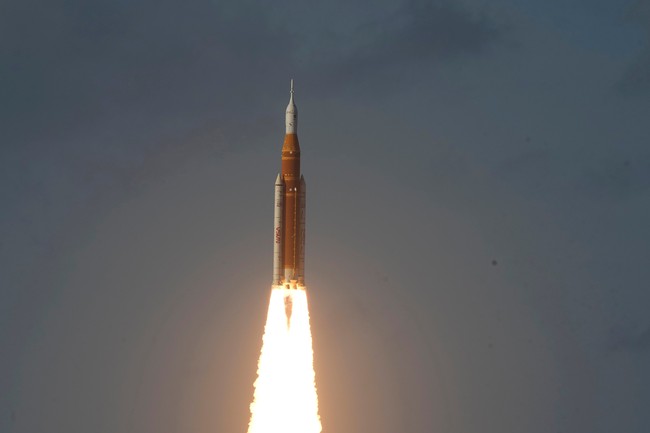
THE ESSEX FILES: Artemis II Success Sets Stage for Renewed American Leadership in Space
The Artemis II mission returned four astronauts safely to Earth after a crewed trip around the moon, marking the first such voyage in over fifty years and reopening a path toward sustained American leadership in space exploration.
For many who grew up watching the shuttle era, Artemis II felt like a long-awaited moment of comeback. The mission demonstrated that modern engineering, international cooperation, and seasoned crews can operate together in deep space while managing the risks that come with it.
Commander Reid Wiseman, pilot Victor Glover, mission specialist Christina Koch, and Canadian astronaut Jeremy Hansen completed about a ten-day mission aboard Orion and splashed down in the Pacific on April 10, 2026. Their safe return to Houston the next day put a human face on progress and provided valuable performance data for Orion in deep-space conditions.
The flight gave the crew direct observation of the moon’s far side and pushed human presence to record distances from Earth, which matters for both science and mission planning. Artemis II tested life support, navigation, and communications systems that must perform reliably for longer missions to come. Those hardware and human data points will inform upgrades and operational doctrine before any lunar landing attempts are attempted.
This mission also reflected symbolic milestones: the crew included the first woman and the first person of color to travel beyond low-Earth orbit, and the first non-American to take part in such an excursion. Those facts matter not just for optics but for demonstrating the international and inclusive nature of modern space programs. They reinforce the idea that leadership comes from capability and coalition, not merely from rhetoric.
Artemis III is slated to test Orion’s docking with a commercial lunar lander in Earth orbit, echoing how Apollo 9 set the stage for surface operations decades ago. Artemis IV is being positioned as a candidate for a landing in the moon’s south polar region, where permanently shadowed craters could hold water ice and other resources. Private-sector teams like SpaceX and Blue Origin are building landers, adding competition and pace that government procurement alone rarely sustains.
That private-public interplay gets to the heart of current policy choices: use commercial strengths to control costs and speed delivery, while keeping government oversight focused on safety and long-term strategy. Past delays in the Artemis timeline are a reminder that big space programs need steady management and fiscal discipline. The goal should be predictable, accountable execution rather than headline-driven deadlines.
Proposals for a $20 billion to $30 billion lunar outpost underline the stakes involved and the need for measurable returns on taxpayer investment. A permanent foothold should deliver science, technological spin-offs that bolster national security, and a clear path toward Mars missions. It should also serve strategic interests, including resource utilization and maintaining a technological edge over rivals advancing their own lunar efforts.
The astronauts returned describing Earth as a fragile oasis, a perspective that resonates regardless of political stripes and reminds us why exploration matters. Beyond inspiration, the mission produced technical lessons that must translate into better timelines, tighter budgets, and accountable management. The work ahead will demand leaders who can balance risk with determination and cut through unhelpful bureaucracy.
Artemis II showed NASA can execute complex deep-space operations when engineering and leadership align around clear objectives. The astronauts fulfilled their mission; the program now must convert that success into sustained, on-time progress for the missions that follow. Renewing American leadership in space will require competence, accountability, and a continued embrace of public-private partnerships that deliver results.



Add comment