
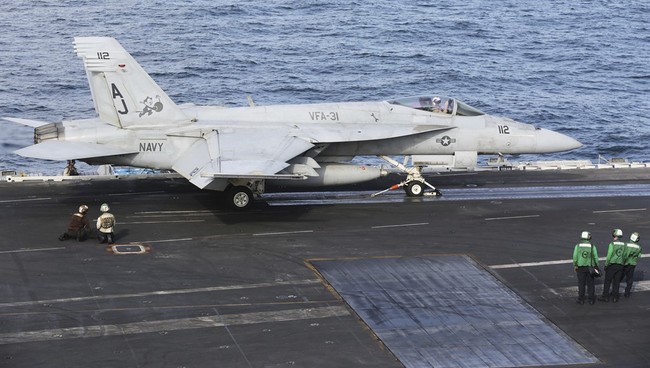
The U.S. Navy and Marine forces have been enforcing a hard blockade in the Gulf region, intercepting and redirecting commercial traffic, boarding vessels for verification, and striking infrastructure that supports Iran’s capacity to threaten shipping. Recent actions included boarding an oil tanker that attempted to run the blockade, disabling another vessel that failed to comply, and strikes aimed at bridges and facilities tied to the Islamic Revolutionary Guard Corps. Official statements emphasize that commercial navigation remains open except for those trying to violate the blockade, while U.S. commanders describe a calculated campaign to choke off resupply routes and degrade Iran’s ability to project force in the Strait of Hormuz.
U.S. Marines with the 11th Marine Expeditionary Unit conducted a verification boarding of M/T Wen Yao in the Gulf of Oman on July 16, demonstrating readiness to enforce compliance at sea. That boarding followed other actions that redirected three commercial vessels, disabled one noncompliant tanker, and involved at least one additional boarding to verify full compliance. These operations show a layered approach: patrol, warn, board, and if necessary disable vessels that threaten maritime security or try to break the blockade.
U.S. Marines from the 11th Marine Expeditionary Unit conduct a verification boarding aboard M/T Wen Yao in the Gulf of Oman, July 16.
https://x.com/CENTCOM/status/2077866609138393167
As of today, American forces have redirected 3 commercial vessels trying to run the blockade, disabled 1 that didn’t comply, and boarded 1 to ensure full compliance with the ongoing U.S. naval blockade against Iran.
The Strait of Hormuz and the surrounding waters remain free and open, except for vessels attempting to violate America’s steel wall blockade.
Video released from the operations shows disciplined boarding procedures and the professionalism expected from U.S. forces operating under rules of engagement that prioritize safety and compliance. The imagery underscores a message of deterrence: violations will be met with forceful, but controlled, responses. For Americans watching this unfold, the intent is clear—protect global trade routes and punish attempts to exploit gray areas at sea.
CENTCOM confirmed that forces fired on and disabled an oil tanker earlier in the week after it refused to comply with orders, a move meant to set a clear precedent. The message is straightforward: unilateral attempts to undermine coalition enforcement will be halted. These operations are part of a broader campaign that includes kinetic strikes on land-based infrastructure tied to Iran’s ability to strike shipping.
Beginning around midafternoon for several consecutive nights, U.S. forces struck multiple bridges and critical facilities that support the Islamic Revolutionary Guard Corps’ logistics network. The targets were chosen to limit resupply routes and impede the IRGC’s ability to move materiel and personnel into positions that threaten the shipping lanes in the Strait of Hormuz. Officials framed those strikes as necessary steps to sever the logistics that enable repeated attacks on commercial vessels and U.S. interests in the region.
READ MORE: Iran Finds Out It’s a Bad Idea to Challenge US Blockade, While Trump Drops a Big Message to the IRGC
Trump Drops Some Harsh Reality on Iran in New Interview As They Hit the ‘Find Out’ Stage
U.S. military officials described targeted strikes on bridges near Bandar Abbas as part of an effort to choke off flow into a coastal region that houses IRGC naval assets and facilities. Bandar Abbas hosts a naval base and infrastructure that Iran has used to project power across the Persian Gulf and to threaten transiting shipping. By disrupting the ground routes into that coastal pocket, the goal is to raise the logistical cost and complexity of continuing maritime harassment campaigns.
The U.S. struck multiple bridges in Iran on Thursday in an effort to cut off supply routes to a port city and naval base in the Strait of Hormuz that Iran uses to attack ships and project power, according to a senior U.S. official.
Several attacks on bridges were reported in and around the port city of Bandar Abbas overnight Thursday, and highways connecting Bandar Abbas to nearby provinces were declared closed, according to Iran’s state broadcaster IRIB.
Those strikes, supplemented by sea drone attacks earlier in the week on submarine and ship facilities, paint a picture of a campaign that is both maritime and terrestrial. The aim is not occupation, but to deny capability—make it harder for Iran to stage attacks and keep the global commons safe. Commanders insist commercial shipping remains free to navigate so long as vessels follow lawful orders and do not try to subvert the blockade.
The administration’s posture reflects a shift from talk to decisive action, aimed at eliminating threats to commerce and American forces. U.S. leaders and military planners are signaling that deterrence is being backed by tangible consequences for violations. For those who hoped bluster alone would suffice, these operations make clear that enforcement will be robust and sustained.
Editor’s Note: For decades, former presidents have been all talk and no action. Now, Donald Trump is eliminating the threat from Iran once and for all.


Add comment