
The recent ambush in Syria that killed U.S. service members and an interpreter has drawn sharp reactions from leaders and set a clear expectation: the United States will pursue those responsible. This article recounts the confirmed casualties and wounds, shares the exact statements made by senior officials, and outlines the immediate political and military posture coming from Washington.
Reports from the field confirmed that two U.S. Army soldiers and an interpreter were killed during a joint operation in Syria, with three additional U.S. troops wounded. The Pentagon publicly verified the fatalities and injuries, and partners on the ground reportedly engaged and neutralized the attacker. These facts underscore a grim reality: American forces remain exposed to lethal threats even during partnered missions.
A senior official responded forcefully on social media, framing the assault in stark terms and promising decisive consequences for anyone who targets Americans. The statement was unambiguous and designed to make clear that attacks will not go unanswered. That tone reflects a traditional Republican stance: show strength, ensure deterrence, and protect troops wherever they serve.
The savage who perpetrated this attack was killed by partner forces.
Let it be known, if you target Americans — anywhere in the world — you will spend the rest of your brief, anxious life knowing the United States will hunt you, find you, and ruthlessly kill you.
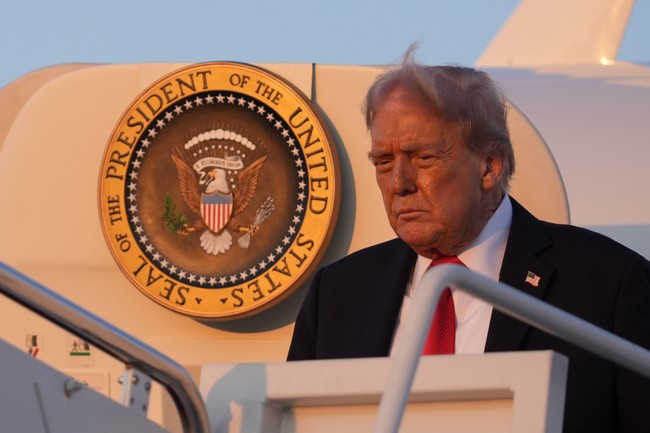
The president addressed reporters as he traveled to the Army-Navy college football game, calling the incident an “ambush” and offering condolences. He described the losses as the death of “three great patriots” and repeated that the event was “terrible.” Those words were paired with a pledge that the nation will respond to the perpetrators.
In his remarks the president added reassurance about the wounded, noting that “three wounded that seem to be doing pretty well.” That mix of sorrow and resolve is intended to comfort families while signaling to adversaries that U.S. policy will be firm. He also mentioned cooperation with Syrian authorities and relayed that Syria’s new president expressed devastation over the attack.
We mourn the loss of three great patriots in Syria. We know how it happened. It was an ambush — terrible
Senior officials attributed the assault to ISIS, and the administration has indicated that retaliation is forthcoming. That assessment drives a classic response pathway: identify responsible actors, coordinate with partners, and execute measures to eliminate future threats. From a Republican perspective, swift and effective retaliation serves both justice and deterrence.
Beyond the kinetic response, the episode raises larger questions about the risk environment for American troops in the region and the clarity of mission objectives. Lawmakers and defense leaders will press for briefings to understand how an ambush of this kind occurred during a partnered mission. Expect demands for accountability and concrete steps to reduce vulnerability in future operations.
Voices across the aisle joined in expressing respect for the fallen and anger at the attack, showing that some moments still produce unified outrage. One senator posted a measured and respectful message on social media, reflecting national sympathy and shared grief. Politically, that bipartisan expression underscores how military casualties can temporarily focus attention on duty rather than division.
The president closed his public remarks by asking for prayers and calling the event “very, very sad,” a simple human response following the loss of life. At the same time, officials made clear that sympathy will be paired with action to prevent repetition. The administration’s twin message of mourning and retaliation intends to reassure families and deter adversaries.
As investigations continue, families of the slain and wounded deserve candor from their government about what happened and what will be done next. Leaders will be judged on how well they protect troops and how swiftly they answer hard questions from Congress and the public. In the near term, expect coordinated military and intelligence moves aimed at disrupting the networks responsible for this attack.



Add comment