
Checklist: Note Operation Epic Fury and allied reactions; report Chancellor Merz’s original criticism and later softened stance; include President Trump’s responses and related troop posture moves; highlight the strain with other allies and what it signals for NATO cooperation.
Trump Does It Again As Ally Backtracks on Comments About Iran
Operation Epic Fury has exposed just how uneven support from NATO partners can be when hard choices are on the table, and that reality has political consequences. Germany’s leader initially blasted U.S. actions, calling them unnecessary and saying the situation was humiliating, but recent developments show a rapid shift in tone. That flip matters because firm, decisive policy gets results and forces allies to pick a side. The back-and-forth also underscores the leverage the United States holds when it matches words with action.
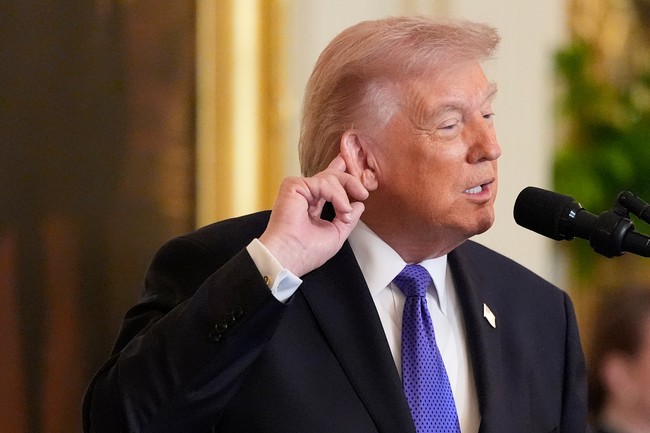
German Chancellor Friedrich Merz publicly criticized Operation Epic Fury as unnecessary and even suggested the United States was being humiliated by Iran. President Trump fired back bluntly that Merz “doesn’t know what he’s talking about” when it comes to Iran’s nuclear ambitions. Those exchanges played out in real time and revealed a crack in allied solidarity that could have weakened the response to Tehran. Instead, the conversation turned into a public lesson in consequences for wavering rhetoric.
After a direct call with President Donald Trump, Chancellor Merz adopted a markedly different stance, stressing the need to force Iran to the negotiating table and to keep the Strait of Hormuz open. That change was brief but unmistakable, and it was posted directly on X in his own words. The shift suggests that direct presidential engagement can realign partners’ public positions fast, especially when national security and strategic credibility are at stake. Allies watched closely as a simple phone call re-calibrated the narrative.
“I had a good phone call with Donald Trump on his way back from China. We agree: Iran must come to the negotiating table now. It must open the Strait of Hormuz. Tehran must not be allowed to have nuclear weapons,” Merz wrote in a post on X.
“We also discussed a peaceful solution for Ukraine and coordinated our positions ahead of the NATO summit in Ankara,” he added. “The U.S. and Germany are strong partners in a strong NATO.”
That public reconciliation didn’t happen in a vacuum. Earlier this month, the Pentagon announced a movement of forces that underscored Washington’s willingness to rethink posture in Europe. Around 5,000 troops were ordered to leave Germany amid a wider review of force posture across the theater, a decision framed as a response to requirements on the ground. The move served as a reminder that American patience has limits and that allies must shoulder more of the burden or risk adjustments.
“The Secretary of War has ordered the withdrawal of approximately 5,000 troops from Germany,” chief Pentagon spokesman Sean Parnell told Fox News Digital at the time.
Washington still maintains a significant presence in Germany, with major facilities remaining critical to alliance logistics and deterrence. Those assets provide leverage; they are also a responsibility, which is why troop levels and basing remain central to strategic conversations. The recent adjustments were described as part of an ongoing effort to align forces with theater needs while pushing allies to increase their contributions. Public disagreements like Merz’s initial comments make it clear why such alignment matters.
France’s response has been another example of mixed signals from Europe. Paris deployed an aircraft carrier group to the region but conditioned any action on coordination with Iran and on waiting until hostilities end. That posture raises real questions about what allies mean when they talk about supporting collective security. If deployment is more about optics than commitment, it undercuts deterrence and strains trust within the alliance.
There’s a bigger point here for NATO: allies either step up or the United States reshapes its posture to protect American interests. Public disputes over tactics and timing create openings for adversaries and confusion among partners. What won the day in this episode was direct presidential pressure paired with concrete strategic adjustments, and it forced an ally to choose clarity over equivocation.
Whether this episode produces longer-term cohesion depends on follow-through from both Washington and its partners. For now, the result is a clearer lineup and a reminder that decisive leadership changes the conversation. The rest of the alliance will be watching to see if words now translate into sustained, shared responsibility when it matters most.

Add comment