
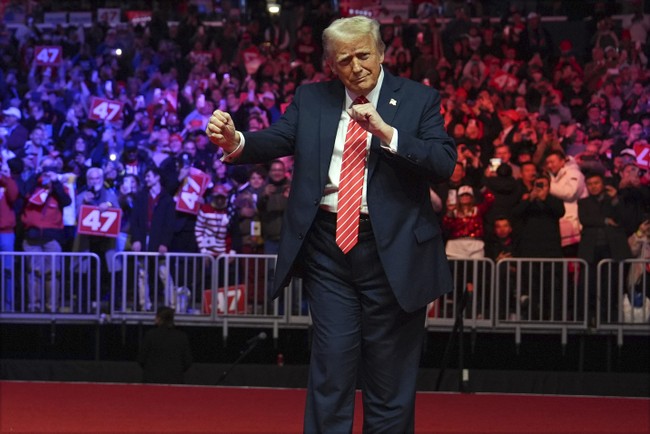
President Trump energized a Pennsylvania crowd with clear, hard-hitting themes that the GOP can carry into 2026: fight inflation, reform healthcare so Americans keep more of their money, secure the border, prioritize American jobs, and stop the deadly drug flow. His remarks in Mount Pocono laid out those talking points plainly, framed as victories and priorities, and he used a simple, repeatable message for candidates to adopt. This piece summarizes what he emphasized, why it matters politically, and how those lines translate into practical campaign themes for Republicans next year.
Master Messenger: Trump Goes Full MAGA at Pennsylvania Rally, Hands GOP the 2026 Talking Points
The hall in Mount Pocono was electric and the message was razor sharp: blame the Biden administration for runaway inflation and position the GOP as the party of affordability. Trump slammed current policy for allowing high costs to persist and repeatedly promised to put money back into Americans’ pockets. That pitch is built to resonate with voters who feel squeezed by price hikes and stagnant living standards.
Healthcare took center stage as a major vulnerability for Democrats and a clear opening for Republicans. Trump argued that trillions in taxpayer dollars flow to insurance companies under the current system, and he wants that cash redirected so individuals can control their own coverage. The pitch is simple: let people use their own money to buy insurance instead of feeding corporate subsidies, and make healthcare more affordable and more responsive to families.
Immigration and jobs were tied together in a theme meant to unify blue-collar and suburban voters: secure the border and protect American workers. Trump asserted that his administration’s actions have halted the net job losses to noncitizens and redirected employment to citizens, a statistic presented as 100 percent of net job creation going to Americans since his return. Framed this way, immigration policy becomes not just a law-and-order issue but an economic argument about who gets the opportunities.
The president announced a pause on third-world migration, quoting specific countries and saying the policy would exclude “including from hellholes like Afghanistan, Haiti, Somalia, and many other countries.” That language is blunt and designed to be memorable for voters anxious about cultural change, assimilation, and the costs of rapid demographic shifts in large cities. For Republicans, emphasizing assimilation and shared values is intended to shore up support among voters who worry about national cohesion.
Trump also made border enforcement tangible with a focus on drug interdiction and maritime actions against traffickers. He pointed to large numbers of lives saved, citing “25,000 American lives” as a metric for the effectiveness of tougher measures. That framing takes the abstract debate about enforcement and turns it into a measurable public-safety success Republicans can point to on the stump and in ads.
The overall political strategy at the rally boiled down to a handful of repeatable lines: stop inflation, give people more control over healthcare dollars, close the border, prioritize American jobs, and crush the drug trade. Each theme is easy to translate into campaign talking points and localize for individual districts, which makes them valuable for House and Senate candidates who need consistent, persuasive messages. The simplicity of the package is its strength; voters remember short lists and clear claims.
Trump repeatedly contrasted his administration’s record with Biden-era performance, insisting that under Republican leadership prices will fall and wages will rise. That contrast aims to tap into everyday experiences—grocery bills, insurance premiums, and job prospects—so voters can connect national policy to personal outcomes. For the GOP, that means candidates should lead with pocketbook issues while linking them to broader themes of national strength and order.
On healthcare policy, Republicans are being handed a platform to promote market-based reforms and direct financial support to individuals rather than insurers. Advocates can argue that consumer-driven choices will reduce costs and increase satisfaction while cutting out middlemen. Presenting specific proposals that channel subsidies or tax relief directly to people will be essential to avoid abstract complaints and offer tangible alternatives.
For immigration, the emphasis is on enforcement, deportations when appropriate, and a cultural expectation of assimilation. That mix of enforcement and cultural messaging is tailored to voters who see immigration as both an economic and a community issue. Campaigns that combine concrete promises—border control metrics and deportation policy—with appeals to shared civic values are likely to mirror the rally’s approach.
Trump’s rally in Pennsylvania stitched those threads together into a concise narrative aimed at energizing the base and guiding GOP candidates. The lines are scripted to be replayed in ads, debates, and local events: affordability, sovereignty, jobs, and safety. For Republicans preparing for 2026, the playbook is clear and designed to be tested across diverse electorates.



Add comment