
The article examines Jimmy Kimmel’s crude parody about First Lady Melania Trump, the reaction from President Trump and the First Lady, and broader concerns about media rhetoric and political violence; it argues that such jokes are reckless in a charged environment and calls out networks for tolerating repeated offensive behavior.
The parody aired days before a chaotic and violent episode at the White House Correspondents’ Dinner, and it landed as tone-deaf at best and dangerous at worst. Conservatives see a pattern where late-night hosts use personal attacks as punchlines, and those attacks escalate the political temperature. This piece pushes back hard, arguing that the standards of decency have been abandoned by many in mainstream entertainment.
Jimmy Kimmel’s parody included a line about the First Lady that crossed a clear line for many Americans. The remark aimed for shock and landed as callous toward a spouse and toward a nation still coping with real threats. That kind of ghoulish humor is not just tasteless; critics say it normalizes hostility and could inspire worse behavior from the fringe.
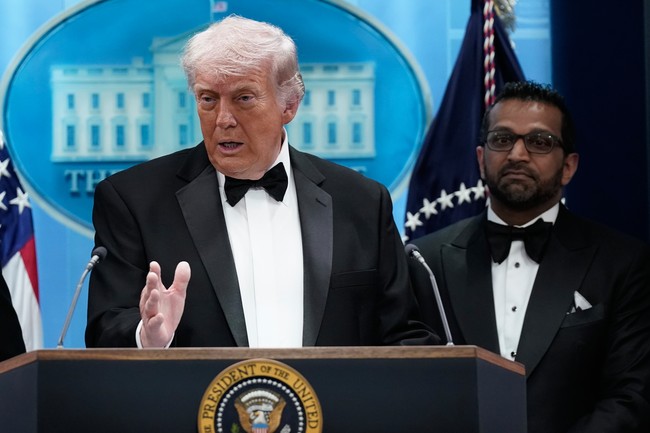
In the immediate aftermath, President Trump used his platform to defend his wife and to demand accountability from the network that keeps employing Kimmel. Conservatives view that defense as expected and necessary, not excessive. The broader complaint is simple: when entertainers repeatedly attack private citizens tied to public life, networks should reassess their tolerance for such conduct.
Melania Trump responded forcefully and directly, calling out the host and the network for shielding him. Her rebuke captured the frustration of many who feel the media elite dodge consequences. The public was left asking why a television executive team continues to give airtime to someone who repeatedly crosses the same line.
“A coward, Kimmel hides behind ABC because he knows the network will keep running cover to protect him.””Enough is enough. It is time for ABC to take a stand. How many times will ABC’s leadership enable Kimmel’s atrocious behavior at the expense of our community.”
This episode is not isolated in Kimmel’s history; critics point to prior remarks he made after the assassination of a conservative figure and to other moments where his commentary veered into mocking or accusatory territory. Those earlier incidents drew temporary suspensions and staged apologies, but the apologies often landed as limp and insincere. Conservatives argue that repeated patterns of offensive commentary followed by perfunctory remorse are not accountability, they are PR theater.
“We hit some new lows over the weekend with the MAGA gang desperately trying to characterize this kid who murdered Charlie Kirk as anything other than one of them and doing everything they can to score political points from it.”
The reaction from advertisers and sponsors is the next frontline for consequences, and boycotts are a tool that viewers have used before. Many conservatives say sponsors should demand higher standards from late-night programming and withdraw support when hosts engage in what looks like sustained personal attacks. Networks that ignore advertiser pressure risk appearing complicit in a culture that rewards provocation over responsibility.
The argument extends beyond one host. Commentators on the left and right have normalized heckling, threats, and insults in public discourse, and the result has been a spike in volatility. When high-profile figures joke about harm to political opponents or their families, they cheapen debate and test the boundaries of acceptable speech in a highly polarized nation.
Those who defend Kimmel claim satire allows harsh jokes and that comedians should be free to offend. But this defense rings hollow after multiple episodes where the same targets are mocked and the same outlets protect their talent. Republicans and others are calling for consistent standards: either satire applies evenly, or networks should stop sheltering predictable patterns of abusive commentary.
Media executives have a choice: enforce standards consistently or face continued public backlash. Viewers are watching which side networks pick, and many are ready to take their attention and ad dollars elsewhere. The controversy reveals a larger cultural split about responsibility, civility, and how public figures are treated by those with megaphones.
At stake is more than a single joke or a single host; it is the tone of national conversation and where the line gets drawn between humor and harm. Turning personal attacks into recurring bits is a strategy that fuels outrage and erodes trust in institutions that claim to inform and entertain. Conservatives insist accountability must be real, not performative, and that media companies should show they care about the social consequences of what they air.

Add comment