
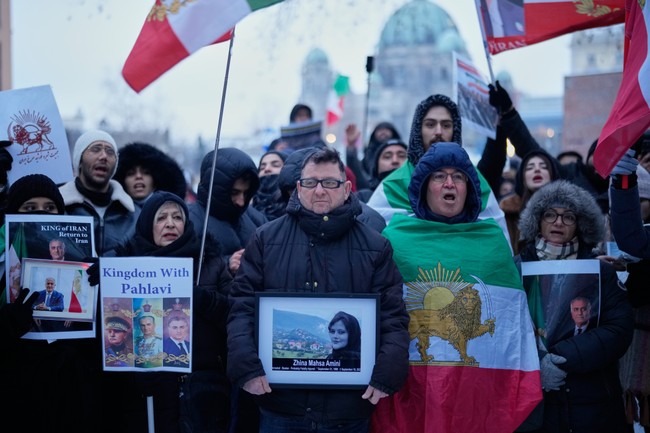
The piece covers Reza Pahlavi’s public backing of Iranian protesters, the strong grassroots uprising on Iran’s streets, and signals of international attention. It highlights Pahlavi’s message of solidarity and a pledge to return, notes public displays of defiance like embassy flag changes, and points to notable external supporters. The tone favors the protesters and frames the moment as a possible turning point for Iran.
The protests unfolding across Iran are raw, sustained, and driven by ordinary people tired of clerical rule. From a Republican perspective, this is a clear fight for individual liberty against an oppressive theocracy that has long denied its citizens basic rights. The courage on display in Tehran and other cities is the kind of popular uprising that deserves recognition and careful support.
Reza Pahlavi has re-emerged as a vocal figure backing this movement and has directly addressed the protesters. He posted a message that was translated from Persian and shared widely, insisting that Iranians are not isolated in their struggle. That public pronouncement lends a rallying point for a dispersed resistance and helps keep international attention focused on the streets.
The translated post reads exactly as follows and should be preserved in full:
Know that you are not alone. Your compatriots around the world are proudly shouting your voice, and you must surely see images of their numerous and widespread presence through your television screen. The world today stands beside your national revolution and admires your courage. In particular, President Trump, as the leader of the free world, has carefully observed your indescribable bravery and has announced that he is ready to help you.
Do not abandon the streets. My heart is with you. I know that I will soon be by your side.
That message ties the Iranian public’s bravery to a broader geopolitical narrative, including explicit mention of a U.S. leader who is framed here as attentive to their plight. From a conservative viewpoint, backing those who fight for freedom and pushing against repressive regimes fits long-standing principles. It also sends a clear signal that democratic aspirations in Iran are being noticed at the highest levels.
On the ground and in diaspora communities, signs of solidarity have been dramatic and symbolic. In London, demonstrators reportedly tore down the Islamic Republic flag at the Iranian Embassy and replaced it with the pre-1979 standard favored by many opposition groups. Such imagery matters; it shows both defiance and a desire to reclaim a national identity that the clerical regime has suppressed for decades.
Outside observers and public figures have weighed in, amplifying the protesters’ voices and lending international momentum. High-profile endorsements do not determine the outcome, but they can protect activists by increasing the cost to any regime that seeks to crush dissent outright. For Republicans who prioritize liberty, standing with those fighting for basic freedoms is consistent with America’s historical posture.
Iran’s theocracy has proven durable, but longevity is not the same as legitimacy. After 47 years of clerical misrule, the population’s patience has run out and the consequences of collapse would be felt far beyond Iran’s borders. A successful popular movement could reshape regional dynamics and reduce the reach of an ideologically driven regime that has funded proxies and pursued hostile policies for decades.
That prospect forces hard choices for policymakers. The United States and like-minded allies should be clear-eyed about supporting human freedom while avoiding entanglement in sectarian conflicts. Prudence matters, but so does principle: when a people rise up for liberty, democratic nations should lean toward moral support, safe havens for refugees, and targeted measures that pressure ruling elites rather than punish civilians.
For conservatives watching this moment, there is moral clarity in backing the Iranian people’s quest for self-determination. Encouraging resilient civil society, broadcasting uncensored information into Iran, and holding accountable those who order violence against protesters align with both strategic and ethical priorities. These are steps that respect national sovereignty while supporting universal human rights.
The energy in Iran’s streets is unpredictable and dangerous, but it is also hopeful in ways that matter to those who value freedom. Whether or not Reza Pahlavi returns to Iran is secondary to the larger point: millions of Iranians are insisting on their right to choose their future. That insistence alone marks a decisive turn in the struggle against an entrenched theocratic system.
The world will be watching whether the regime responds with reform, repression, or collapse, and how external powers react will shape the outcome. For now, the best posture for those who support freedom is to keep the spotlight on protesters, amplify their message, and make clear that tyrants face higher costs when they murder or imprison their own people. History will judge how nations respond in this critical hour.


Add comment