
Family Hires High-Profile Lawyers After Minneapolis Shooting; Questions and Cash-Grab Claims Follow
The family of Renée Good hired Romanucci & Blandin to pursue a civil investigation after she was fatally shot by an ICE agent during an encounter in Minneapolis. The firm’s public statement called the outcome wrong and inconsistent with established policing practices, while the family seeks transparency and answers about how she died. Critics point to the firm’s high-profile history, including a major settlement for George Floyd’s family, and suggest the case may be leveraged for political gain and financial recovery. The incident has already spurred heated public debate over self-defense, officer injuries, and the motives behind the legal push.
The attorneys told reporters, “What happened to Renée is wrong, contrary to established policing practices and procedures, and should never happen in today’s America.” That quote became a focal point for advocates demanding accountability, while opponents questioned the narrative around the encounter. The firm said the family wants “to honor her life with progress toward a kinder and more civil America. They do not want her used as a political pawn, but rather as an agent of peace for all.” Those statements frame the legal effort as principle-driven, though skepticism persists from observers on both sides.
Antonio M. Romanucci, a founding partner known for securing a record settlement in the George Floyd case, will lead the representation and pursue a claim against ICE and potentially other responsible parties. That pedigree raises immediate expectations of aggressive litigation and widespread media attention, since his prior work set a precedent for large payouts. Commentators note the public memory of the Floyd settlement and predict attorneys will press for transparency and damages in federal claims tied to the shooting. This combination of legal experience and public appetite guarantees the case won’t stay quiet.
Video clips and witness accounts are now central evidence in the dispute over what occurred moments before the shooting. Prosecutors and federal investigators will weigh cellphone footage against statements from the ICE agent and bystanders, trying to reconcile differing accounts. Some footage appears to show the vehicle accelerating into an agent and making contact with him, which supporters of the agent argue justifies defensive force. Opponents counter that context and officer positioning matter and should be fully examined before assigning blame.
Authorities released details about the agent’s injuries, with reporting indicating significant internal trauma consistent with a forceful collision. One outlet reported that the officer suffered internal bleeding in his torso, a serious injury that undercuts claims of minimal contact. That medical detail sharpened the legal debate, because internal bleeding is not typically associated with light, incidental contact near the side of a car. Supporters of the agent emphasize those facts as evidence of a life-threatening situation that could have warranted lethal force.
Romanucci told reporters the family will seek transparency as they launch their civil inquiry, promising prompt and public updates. He stated, “People in Minneapolis and across this country truly, truly care about what happened to Renée Good,” and added, “… and are committed to understanding how she could have been killed on the street after dropping her child off at school.” Those words frame the legal action as a public service and a bid to change protocols, while critics say the messaging is also crafted for sympathetic headlines.
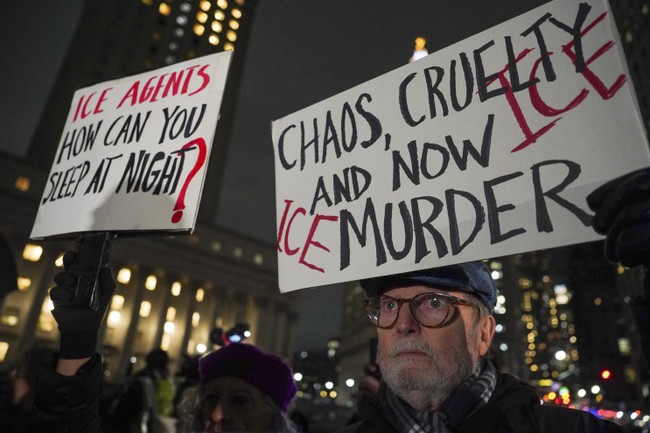
Critics argue the case already shows signs of being used for a broader political story, pointing out how quickly high-profile lawyers and sympathetic narratives emerged. Political operatives and media outlets on both sides have begun shaping the public perception, fueling protests and coverage that could influence future civil or administrative outcomes. Observers caution that litigation can be both a tool for justice and a vehicle for monetary recovery, so motives and facts require careful separation. Emotions run high on this one, and that makes sober fact-finding harder.
Legal filings, when they arrive, will likely target the federal agency as well as any individuals alleged to be responsible for the conduct that led to Good’s death. The firm’s spokesman confirmed plans to seek claims against ICE and other possible parties, signaling an expansive legal strategy. That approach typically involves seeking records, interview transcripts, and internal policies to document whether force complied with training and law. If the family moves forward, expect a prolonged legal fight with discovery, depositions, and competing narratives vying for public favor.
Meanwhile, public debate shows no sign of cooling. Some voices warn that the family and lawyers will benefit from a sympathetic media cycle and substantial fundraising opportunities, while others argue a full civil review is necessary to hold public servants accountable. The clash of narratives will play out in court filings and cable news segments alike, with each side trying to shape the facts to its advantage. For now, the investigators, attorneys, and the public will wait for more evidence to surface.


Add comment