
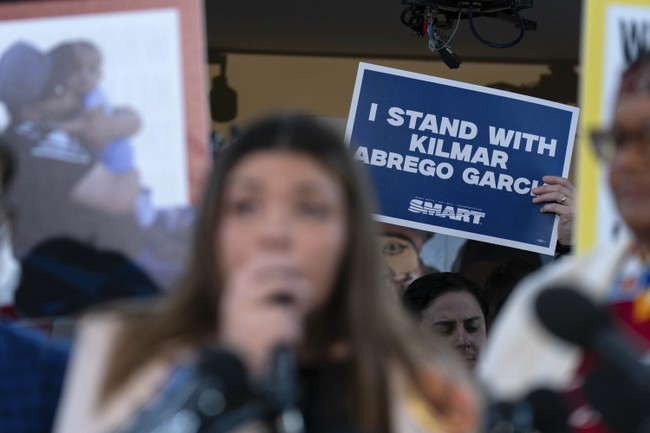
This article covers the latest developments in the Kilmar Abrego Garcia case, explaining why a Tennessee judge canceled the scheduled human smuggling trial, how prior rulings factored in, what evidence and video footage show about the 2022 traffic stop, and how the defendant’s public profile has shifted since his release.
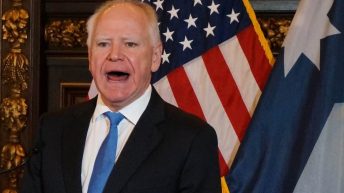
Kilmar Abrego Garcia, an undocumented man from El Salvador, has once again escaped a scheduled trial after Tennessee District Judge Waverly Crenshaw, Jr., an Obama appointee, canceled the human smuggling proceeding. The judge will instead hold a hearing to decide whether the prosecution has been “vindictively” pursued, borrowing the phrasing used by Susie Moore in commentary about the case. That decision follows other courtroom rulings that have complicated federal efforts to take custody of Abrego Garcia.
Earlier, Maryland District Court Judge Paula Xinis extended a temporary restraining order that currently prevents the federal government from detaining Abrego Garcia. That extension intensified scrutiny of the case and set the stage for further legal wrangling about jurisdiction and prosecutorial conduct. Both judges involved in recent decisions are Obama appointees, a fact critics point to when arguing about perceived bias and the broader political context.
Abrego Garcia had been scheduled to stand trial in late January on human smuggling charges tied to a 2022 traffic stop. During that stop he was driving a vehicle linked to a convicted human smuggler and had eight other people crammed inside the car, none of whom had identification or clear ties to him. Officers found $1,400 in cash on him, which authorities suspected could be payment related to smuggling activity.
Fox News Bill Melugin obtained the video from the Tennessee Highway Patrol. It shows police confronting Abrego-Garcia after he was pulled over while driving a convicted human smuggler’s car. In the vehicle were eight other people, none of whom appeared to have any real connection with him. He was also carrying $1400 in cash, which the officers suspected was his payment.
That bodycam footage and the circumstances of the stop look problematic for Abrego Garcia on their face, especially when considering allegations that he beat his wife and possible links to MS-13. Those allegations have circulated in reporting and commentary, raising public alarm about the danger and brazenness of the conduct alleged. Still, the criminal process now focuses as much on procedure and prosecutorial intent as on the underlying facts.
Judge Crenshaw found that Abrego Garcia has made a prima facie showing of vindictiveness, which triggers a burden-shifting analysis and entitlement to further discovery and an evidentiary hearing. The judge set an evidentiary hearing for January 28 to explore whether the government’s actions amount to vindictive prosecution and to give both sides a chance to present more evidence. This procedural turn means the trial will not proceed as originally planned until the court resolves those due process questions.
In the ruling, the judge said the evidence provided by the defense had turned the case in Abrego Garcia’s favor long ago – at least on the due process issue of whether the prosecution is vindictive.
Crenshaw elaborated in a written order: “The burden-shifting framework controls the Court’s analysis. Specifically, once a defendant establishes a prima facie showing of vindictiveness, ‘a presumption arises in defendant’s favor.’ The Court has already found that Abrego has made such a showing, entitling him to discovery and an evidentiary hearing on why the government is prosecuting him.” That exact language will be central to the upcoming hearing and any appeal that follows.
Meanwhile, Abrego Garcia has enjoyed a degree of public attention since his release, cultivating an online presence and appearing in videos where he mouthed words to what appears to be a Spanish-language Christian song. His visibility has fueled commentary about how politically charged cases involving immigrants can be, with critics arguing the defendant is being treated as a political symbol rather than solely a criminal defendant.
Political reaction has been sharp. Conservatives argue the case highlights prosecutorial overreach and political theater, while others emphasize due process protections and the importance of courts policing prosecutorial conduct. The clash makes clear that the legal fight will involve not just facts from 2022 but questions about how and why charges were brought in the first place.
Whatever the outcome of the evidentiary hearing, the immediate effect is to delay any criminal resolution and to put prosecutorial decisions under a microscope. That legal delay also keeps Abrego Garcia in the public eye and ensures his story will continue to be discussed in courts, on social media, and in political debates about immigration enforcement and the justice system.

Add comment