
Checklist: Outline the Supreme Court stay and its limits; describe Governor Newsom’s response and proposed California laws; list the budgeted election spending and questions about funding; report allegations about USPS mail theft and concerns over mail-in ballots; include official statements and indictments verbatim where quoted.
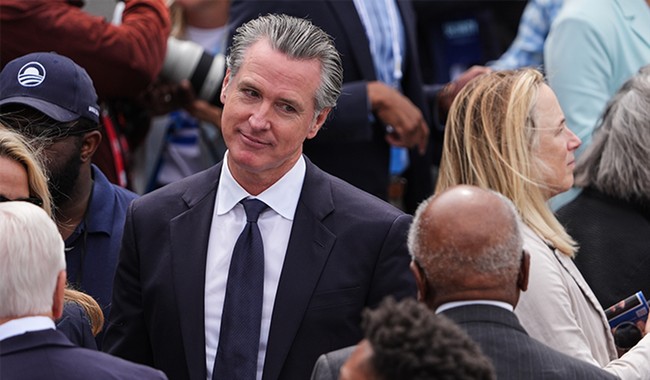
The Supreme Court granted an emergency stay that paused a lower-court injunction against parts of the Trump administration’s election-integrity executive order, clearing the way for enforcement in 23 states and D.C. while the court left the underlying legal questions unresolved. That temporary win for the administration does not settle whether the order is lawful, which opened the door for new litigation almost immediately. California Governor Gavin Newsom moved quickly to challenge the decision, framing his response as a defense of voting rights. He announced new legislation and additional spending intended to shore up the state’s election systems ahead of the 2026 midterms.
Newsom criticized what he called “Trump’s latest attack on voting,” and said California would act to “defend democracy” by introducing criminal penalties and other measures aimed at protecting ballots and vote delivery. The governor’s office released a legislative package that includes felony and misdemeanor offenses tied to tampering with ballots and election records. These measures are designed to create new punishments for seizure of ballots and for directing subordinates to interfere with voting processes. The administration pitched the bills as a response to perceived threats to election administration.
From the breathless press release from the Office of the California Governor.
https://x.com/CAgovernor/status/2092014398508286008
Following the signing of election safeguarding bills earlier this summer, Governor Newsom and the California Legislature are doubling down to ensure California continues to defend democracy as new threats from Donald Trump and his election-rigging allies emerge. Today, that legislation is in print:
- AB 282 (Pellerin) — establishes two new felonies. Prohibits any person from seizing or causing the seizure of ballots, election records, or certified voting technology before election results are certified, punishable up to 3 years in prison. Prohibits any person with authority from directing someone in their supervision to do the same, punishable by up to 4 years in prison.
- SB 259 (Wahab) — establishes a new felony punishable by up to 4 years in prison for a person in a position with authority who directs another person subject to their supervision and authority to interfere with a ballot’s delivery to a voter or return to the local elections official. Additionally adds a misdemeanor punishing anyone who interferes with the delivery of a vote by mail ballot to a voter.
This “Election Protection” legislative package builds on lessons learned from recent actions and threats to interfere with election administration — ensuring California has the strongest legal protections in the nation to safeguard every lawful vote.
The legislation package also comes with a budget increase the governor framed as investments to speed up ballot counting and fight disinformation. The announced allocations include tens of millions earmarked for counties, outreach programs, and statewide efforts to counter misleading information. Observers on the right question both the scope of the spending and the accountability around how funds will be used. There is skepticism about whether additional resources will fix reported administrative problems or simply expand the bureaucracy overseeing elections.
New investments to safeguard election and help speed up ballot counting
In his final budget, the Governor and Legislature included several key investments in the state’s election system”
- $29 million for increased staffing, technology and equipment upgrades and purchases for counties to speed up counting and increase capacity.
- $5 million for voter outreach and education at the county level to help Californians know resources and tools available in their community.
- $5 million for voter outreach and education at the statewide level via the office of Secretary of State.
- $750,000 to support statewide efforts to combat mis- and disinformation and ensure the state is prepared to guard against federal interference.
Newsom’s push for new laws and money arrives while the governor and his spouse remain subjects of a Department of Justice inquiry, a point critics highlight when questioning his judgment. Republicans argue that piling on litigation and expanding state authority risks inviting more federal scrutiny rather than defusing problems. The timing and tone of the governor’s response have made opponents wonder if political signaling, not practical fixes, is driving the agenda.
Concerns about mail security have been raised by private citizens and campaign figures who point to alleged criminal activity within the Postal Service as proof of vulnerability. Former Los Angeles mayoral candidate Spencer Pratt described mishandling and theft of mail as evidence that mail-in ballots lack an auditable chain-of-custody. That argument is gaining traction among those who favor stronger federal safeguards for ballot handling and verification. The debate mixes concrete criminal cases with broader worries about system integrity.
Postal workers busted stealing checks from mail routes & selling them in $23M fraud case.
If they can steal your checks, what do you think they can do with your ballots?
They only got caught because banks audit $$. There’s ZERO mechanism to audit CA ballots.
A recent federal indictment described a scheme involving stolen checks resold for millions, and Republicans cite that as proof positive of risks when ballots are mailed. The indictment lists multiple defendants charged in a multi-million-dollar check scheme, and it has been used by critics to argue for stricter controls on ballot distribution and receipt. Those who trust the current system dismiss such examples as isolated crimes, while opponents say they reveal systemic weaknesses that deserve national attention. The political fight over election rules and enforcement will likely intensify as the midterms approach.
Editor’s Note: The 2026 Midterms will determine the fate of President Trump’s America First agenda. Republicans must maintain control of both chambers of Congress.

Add comment