
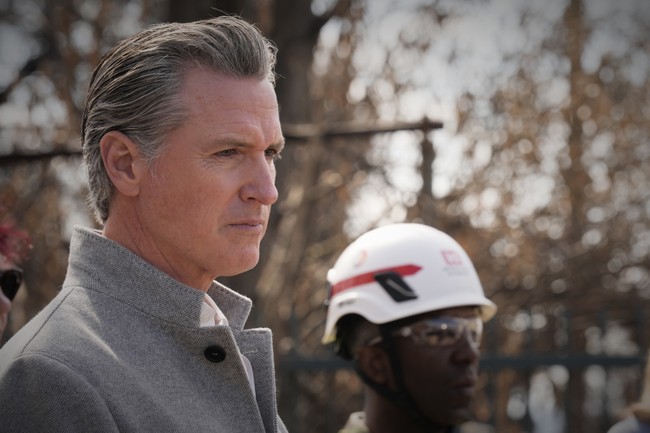
An interim House report out this week claims charity dollars raised after the Palisades and Eaton fires were diverted away from victims, and that controversy lands on the anniversary of the Palisades Fire as survivors gather to remember and demand answers. The report, local outrage, political posturing, and questions about federal aid have combined into a tense moment for California leadership and the groups that promised relief.
Families in Pacific Palisades and Altadena are planning memorials and public events to mark the first anniversary of the firestorms that destroyed neighborhoods and claimed lives. Many residents want a sober, community-focused commemoration and are worried their grief will be used for political theater. The core grievance is simple: survivors want honest accountability and the ability to rebuild without being boxed into bureaucratic limbo or serving as props for politicians.
State and federal funding has been part of the conversation from day one, with survivors and local advocates arguing that money and cleanup have been uneven, slow, or trapped behind red tape. Critics point to how debris removal, loans, and grants were handled, while others point out that some federal programs did provide substantial resources. The dispute now includes allegations about how private relief dollars were allocated after a high-profile benefit concert raised funds for victims.
That benefit effort, called FireAid, raised significant sums but now faces scrutiny from the House Judiciary Committee. The interim findings claim FireAid did not funnel donations directly to individual victims as advertised, instead granting large amounts to numerous nonprofit groups and causes. Those allocations have prompted anger because some grants reportedly funded advocacy groups, podcasts, and projects not directly tied to household rebuilding or immediate victim relief.
The report lists examples that have fueled outrage: substantial grants went to a variety of third-party organizations, including groups involved in advocacy and other non-disaster activities. The committee highlighted instances where money intended for fire survivors appeared to be redirected to priorities set by recipient organizations. Critics argue that donors and donors’ intent deserve respect, and survivors deserve direct, tangible help rather than dispersed institutional grants.
Political leaders are also trading blame. Governor Newsom has faced criticism for handling of prevention and response, and for how state leaders engaged with survivors in public settings. Some residents see political appearances as grandstanding that distract from the work of clearing rubble, restoring housing, and fixing permitting problems that prevent people from rebuilding.
There is a larger federal angle here too. Officials close to the response note that federal agencies performed and funded major pieces of debris removal and disaster relief, and the timing of federal work has been part of the political argument. That dynamic has fed claims about credit and responsibility, with survivors caught between agencies and political narratives instead of being the primary focus.
The interim report’s excerpts are sharp and specific. “FireAid advertised that all donations raised during its benefit concert would go directly to victims of the California wildfires. Unfortunately, this was not the case. To date, FireAid has granted $75 million of the $100 million raised to a total of 188 non-profits, including $100,000 for voter participation efforts for Native Americans, $550,000 to groups involved in political advocacy, an unknown amount of money toward illegal aliens, $100,000 to podcasters, and over $500,000 for bonuses, salaries, and consultants for non-profit organizations.”
Those passages have inflamed survivors and observers who expected a direct pipeline from fundraiser to household aid. The committee cited examples where grant reports listed priority groups and distribution plans that did not appear to align with the most urgent needs of fire-affected homeowners. For people still living amid debris and unresolved permits, the discovery that millions flowed elsewhere feels like a betrayal.
The report details a range of unusual allocations, including funds for media projects and industry advocacy, and raises questions about oversight and donor intent. For example, grant paperwork reportedly shows money going to a media-focused foundation for podcast support, and another grant tied to a music industry advocacy group. Those examples have been seized on by lawmakers and critics demanding transparency on how funds were approved and monitored.
All of this arrives as the community prepares to mark the anniversary, with multiple events aimed at honoring those lost and pushing for accountability. Survivors want practical fixes: clear permitting, faster rebuilding, and straightforward relief that gets families out of temporary housing and back into homes. As the anniversary approaches, tensions remain high between survivors, nonprofits, state leaders, and the federal authorities involved in cleanup and recovery.
The interim report is now public and has been released alongside a flurry of local reaction and national commentary, setting up more hearings and calls for answers. For residents still sifting through what remains, the important work is rebuilding lives and ensuring the money and effort promised after the disaster actually reach the people who need it most.
“I will say this. This is true and it’s factual and you gotta call balls and strikes. Lee Zeldin is doing an amazing job. He’s on the ground today in Los Angeles. They are moving the first phase of the debris removal at record pace. And I think it’s that mindset that we brought to the meeting and the mindset that came out of that meeting. The President wants to do something that’s never been done, and that is, address this crisis with a degree of sophistication and focus, to get the job done and get people’s lives back.”


This Evil Bastard needs to face a Tribunal at GITMO NOW!