
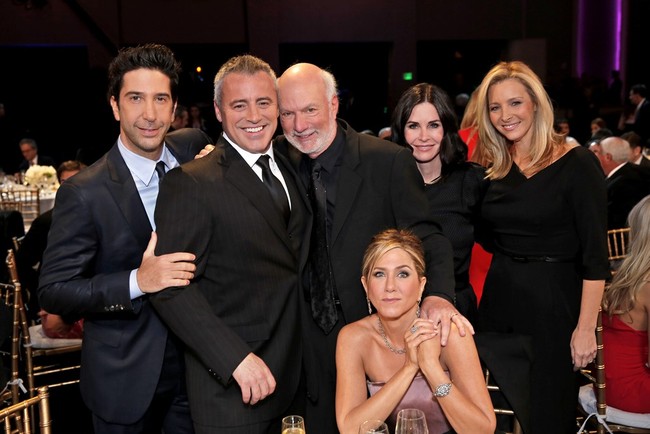
James Burrows, the towering director behind decades of classic television comedy, died at 85; this article walks through his life, the family statement on his passing, notable career highlights, tributes from colleagues, and the long list of shows he helped shape.
James “Jimmy” Burrows left an unmistakable mark on American sitcoms over a career spanning more than five decades. He directed over 1,000 television episodes and played a central role in creating and refining series that became cultural touchstones. His approach blended sharp timing with an emphasis on human truth, and that combination helped define modern multi-camera comedy. Colleagues and institutions remember him not just for his work but for the way he treated collaborators at every level.
“We celebrate the extraordinary life and enduring legacy of James ‘Jimmy’ Burrows, who passed away peacefully today surrounded by his loving family,” the Burrows family shared in a statement to PEOPLE on June 19. “For more than five decades, Burrows was one of the most influential and beloved directors in television history. As a legendary director, mentor, and creative force, he helped shape generations of comedy and brought immeasurable joy to audiences around the world.
“Over the course of his unparalleled career, Burrows directed more than 1,000 episodes of television and was instrumental in creating some of the most iconic series ever produced, including The Mary Tyler Moore Show, Taxi, Cheers, Frasier, Friends, Will & Grace, and The Big Bang Theory, among many others,” the statement continued.
“But beyond his remarkable achievements, Burrows will be remembered for something even greater: his kindness, generosity, and unwavering belief in the people around him. He possessed a rare ability to make everyone better and was known for remembering every person he met by name, making colleagues at every level feel seen, valued, and appreciated.”
“Burrows understood that great comedy was never simply about laughter. It was about humanity, connection, and truth. That understanding became the foundation of a career that forever changed television,” his family wrote. “His influence will continue to be felt for generations through the countless artists he inspired, the stories he helped tell, and the millions of people whose lives were brightened by his work.”
Burrows’ roots trace back to Los Angeles in 1940, born into a theatrical family; his father Abe Burrows was a writer and composer known for work on landmark musicals. The family moved to New York, where young Jimmy attended the High School of Music & Art and later graduated from Oberlin College before earning a graduate degree from the Yale School of Drama. Early stage work, including a job as an assistant stage manager, led to a chance meeting with Mary Tyler Moore that would open doors in television directing.
MTM Enterprises brought Burrows into television, and he rapidly established himself as a master of the multi-camera sitcom format. He moved from episodes of The Mary Tyler Moore Show and The Bob Newhart Show to directing, mentoring, and shaping series that built long-lasting careers for writers and actors. Over the years he became synonymous with consistency, comic timing, and a talent for getting the best performance out of ensemble casts. Those skills made him a go-to director for networks and producers across generations.
Industry tributes poured in after word of his death. Tony Danza, who worked with Burrows on the ABC comedy Taxi, posted on X: “We have lost the greatest of all time. Jimmy Burrows. I know I wouldn’t be here without him. My thoughts are with Debbie and the kids.”
NBC summed up the loss by calling it “immeasurable” and praised Burrows as “the man behind the curtain” who knew “how to make us laugh, what buttons to push and was the absolute master of getting the most out of every joke.” That sentiment echoed across the industry: Burrows was credited with turning good scripts into memorable television moments by marrying performance with camera rhythm. His techniques and instincts became part of the grammar of TV comedy.
“Jimmy Burrows was the man behind the curtain. He knew how to make us laugh, what buttons to push and was the absolute master of getting the most out of every joke. His loss to the television comedy world is immeasurable. Every time you have a smile on your face watching ‘The Mary Tyler Moore Show,’ ‘Taxi, ‘Cheers,’ ‘Will & Grace,’ ‘Friends’ and countless others, think of Jimmy and know he made all our lives funnier.”
Beyond directing, Burrows co-created Cheers with Glen and Les Charles and earned 11 Emmy awards over his career. Colleagues frequently pointed to his ability to mentor and elevate writers and actors, making his influence more than a catalog of credits. He didn’t just shoot scenes; he helped cultivate careers and audiences alike.
“Above all else, Burrows was a devoted husband, father, and grandfather. He is survived by his beloved wife, Debbie, his four daughters, and his seven grandchildren. He will be profoundly missed and forever remembered. Our thoughts are with Debbie, his children and grandchildren, his family, friends, collaborators, and all those whose lives he touched. May his memory be a blessing.”
His list of credits reads like a history of American sitcoms, spanning landmark shows from the 1970s through the 2010s and beyond. He worked on everything from early classics to contemporary hits, bringing a consistent standard of excellence to every set. The sheer range of titles he touched underscores not just longevity but continual relevance in a changing industry.
James Burrows’ passing leaves a gap in television that’s both professional and personal. Producers, performers, and viewers alike benefited from his talent, taste, and humanity. His influence will live on in reruns, in techniques taught to new directors, and in the many careers he helped launch. Rest in peace, James.
https://x.com/TonyDanza/status/2068072868869746844


Add comment