
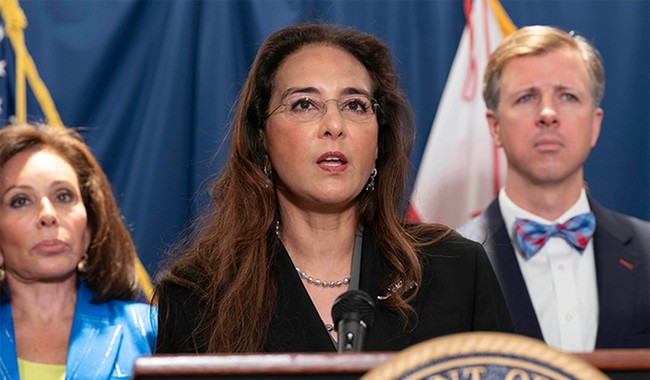
The Department of Justice has opened a federal probe after New Jersey acknowledged a software error that allowed roughly 6,600 non-citizens to be registered and about 400 to apparently cast ballots, prompting Assistant Attorney General Harmeet Dhillon to demand records and preserve evidence while framing the episode as a serious threat to election integrity.
Assistant Attorney General Harmeet Dhillon moved quickly after New Jersey’s disclosure, sending a formal letter that calls the situation “unacceptable and illegal” and gives state officials just five business days to respond. Her request seeks full names, dates of birth, nationalities, addresses, registration details for the roughly 6,600 erroneously registered non-citizens, and the voting records for the roughly 400 who reportedly cast ballots. This is not a low-key inquiry; it is a federal demand for detailed data and a preservation order to ensure nothing is deleted. For those who care about secure elections, federal attention is warranted when ballots may have been cast by non-citizens.
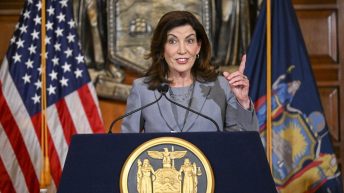
New Jersey Governor Mikie Sherrill publicly attributed the problem to a software error in the Motor Vehicle Commission system that affected registrations between June 2023 and June 2024. She blamed the prior administration and insisted the issue was unintentional, saying many affected individuals answered ‘no’ to the citizenship question but were registered anyway by the system. To voters, the explanation sounds technical, but the result is simple and alarming: non-citizens ended up on the voter rolls and some apparently voted. The practical consequence is the same whether the cause was a glitch, negligence, or poor oversight.
Dhillon’s letter goes beyond rhetoric and asks for granular details: when and where these ballots were cast, any mail-in certifications, and signatures if applicable. She explicitly warned to “please treat this correspondence as a request to preserve any and all records relating to today’s disclosure,” ensuring investigators can see the raw paperwork and logs. That kind of documentation will be key to determining whether these were isolated anomalies or the result of systemic failures. Americans deserve to know if non-citizen votes affected outcomes in any contests.
The timing of this probe follows Dhillon’s broader election integrity push, where the DOJ signaled it will send federal election monitors to multiple states and even warned of criminal exposure for officials who allow non-citizens on voter rolls or to cast ballots. That posture matches the gravity of the New Jersey revelation and signals a more aggressive federal stance on protecting lawful voting. For many Republicans, federal enforcement is essential when states fail to secure their systems or when registration processes rely on imperfect automation. The choice is between passive acceptance of glitches and active enforcement to protect lawful voters.
Critics will dismiss this as partisan posturing, but the facts demand answers: roughly 6,600 non-citizens were erroneously registered and nearly 400 appeared to vote. Those numbers are not minor and cannot be waved away as harmless. If the system can auto-register thousands without adequate checks, the door is open for repeated mistakes, undermining public confidence in elections. The public expects election administrators to prevent such basic failures, not explain them away.
One legislative response gaining attention is the SAVE America Act, which would require affirmative proof of citizenship for registrations tied to DMV interactions rather than relying on self-attestation or automated transfers. Advocates argue that front-end checks at the point of registration would block erroneous registrations before they reach the rolls. The act also calls for improved cross-checks with DHS to catch non-citizens after the fact, offering both preventive and corrective tools that could have limited the damage in New Jersey.
https://x.com/AAGDhillon/status/2079677071362507225
Supporters of stricter rules point out that automated systems and self-attestation are convenient but inadequate for protecting the franchise. A simple front-end verification tied to citizenship documentation would have likely prevented thousands from being added mistakenly. Moreover, routine cross-checks with federal immigration databases would have flagged non-citizens for removal promptly, limiting any potential illegal voting. These are practical fixes that do not restrict legitimate voters but do protect the value of each American vote.
Democrats who previously minimized the possibility of non-citizen voting now face uncomfortable scrutiny as their officials handle the fallout. Whether through software, sloppy procedures, or both, the result is the same: non-citizen registrations and potential votes. Voters on all sides should be alarmed when systems meant to protect elections allow such lapses. The core expectation is simple: rules should be enforced and systems should be robust enough to prevent the wrong people from being added to voter lists.
At the heart of this episode is accountability: state officials must produce the records Dhillon requested, and investigators must determine what went wrong and who is responsible. Transparency and swift corrective measures will be necessary to restore confidence. If laws were broken, prosecutions should follow; if practices were negligent, reforms must be implemented to stop a repeat. Citizens deserve an electoral system that reliably distinguishes between eligible voters and everyone else.
The public conversation will now center on evidence and remedies rather than denial. That is why federal oversight, stronger registration checks, and clear preservation of records are critical next steps to protect election integrity and ensure every legal vote counts. The coming days should reveal whether reforms follow the revelations or whether the same vulnerabilities remain unchecked.

Add comment