
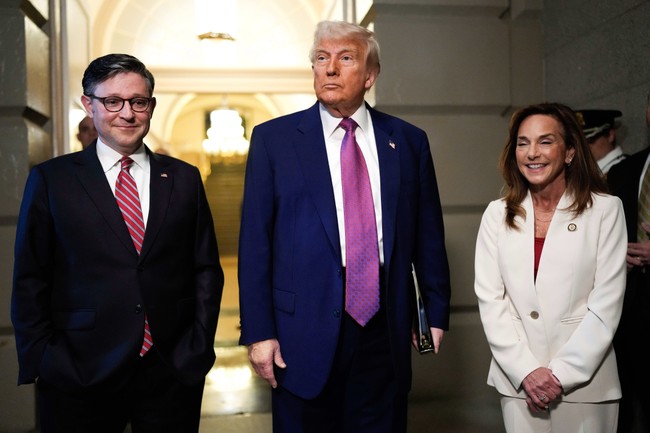
This piece examines whether Republicans have seized momentum for the 2026 midterms by focusing on inflation, the economy, turnout plans, and targeted campaign themes that could keep the GOP in control of the House.
President Trump framed the 2026 midterms around economics in a recent interview, arguing that falling prices and energy costs will shape voter sentiment. He cast the contest as a referendum on who fixed the economy, positioning Republicans as the party delivering relief from earlier spikes in costs. That messaging is simple and sharp: cheaper energy and lower inflation are tangible wins voters feel in their wallets. This kind of direct economic pitch plays to the GOP advantage in motivating its base.
I think it’s going to be about the success of our country. It’ll be about pricing. Because, you know, they (the Biden administration) gave us high pricing, and we’re bringing it down. Energy’s way down. Gasoline is way down.
Recent economic data supports the optimistic GOP narrative, with growth beating expectations and year-over-year inflation moderating to rates not seen in months. Strong GDP growth and cooling inflation blunt the classic midterm punishment that the opposition usually relies on. Without a credible recession or persistent stagflation, the Democrat argument that voters should punish the incumbent party loses traction. That dynamic shifts the battleground toward turnout and campaign discipline.
Energy price declines are especially persuasive in political terms because they affect everyday expenses like commuting and heating. Voters notice cheaper gas at the pump and lower utility bills, and campaigns can turn those facts into straightforward messages about competence. Republicans can use the energy story as a concrete example of policy that brings relief, contrasting it with past price shocks blamed on the other side. That contrast is a natural wedge to drive voter choices.
Certain structural advantages also favor Republicans: the opposition is polling well behind previous benchmarks, and the Trump operation plans aggressive campaigning aimed at turning out 2024 supporters and persuadable nonvoters. The campaign’s intensity is aimed at reactivating people who favored the president but did not vote, which could massively expand margins in key districts. Combined with a disciplined ground game, that could blunt midterm headwinds that typically punish the president’s party.
Candidates and consultants are already talking about tactics that play to GOP strengths: highlight the economy, spotlight crime and border enforcement, and pick opponents to personalize the choice for voters. Negative campaigning still moves ballots, so identifying a clear political antagonist helps focus messaging. The effort will be to turn national themes into local, vote-producing arguments in tight districts.
President Trump’s personal stamina and high-profile appearances are also part of the strategy, with a campaign rhythm designed to sustain energy through 2026. His persona—high energy, relentless schedule, and a knack for dominating media cycles—helps keep attention on GOP priorities. That constant presence aims to lift turnout among reliable supporters and remind wavering voters what’s at stake. It’s a modern take on retail politics amplified by national media reach.
Approval numbers show room for improvement: the RealClearPolitics average places approval at 43.1 percent with a 53.8 percent disapproval spread. Those figures matter because midterm gains for the president’s party historically require higher approval levels to flip the usual trend. Winning seats or limiting losses will require nudging that approval higher through policy wins, message discipline, and turnout. Economic momentum helps, but it won’t do the entire job by itself.
Campaign strategists are weighing several clear issue plays to convert the favorable economic backdrop into House wins. The list below captures the main tactical options being discussed by GOP operatives and allies.
https://x.com/RedEaglePatriot/status/2002825317522804926
- Emphasize the GOP record on lowering costs and reducing energy prices to contrast with prior high pricing attributed to the other side.
- Make crime and public safety a wedge, highlighting law-and-order solutions and criticizing soft-on-crime policies where applicable.
- Push border security and immigration enforcement as tangible achievements, including high-profile visits or events to dramatize action on the issue.
- Run negative campaigns focused on identifiable opponents to personalize the choice for voters and simplify the ballot question.
- Reframe tax and affordability concerns by pushing on property tax restraint and other populist tax themes that resonate locally.
Of course, the midterms will hinge on many additional factors: redistricting fights, fundraising skirmishes, convention dynamics, and one-off policy moves from Washington. The opposition will try to nationalize the race and keep the focus on the president as a foil, a tactic the GOP expects and plans to weaponize in response. Where the margins are tight, turnout and message discipline will decide outcomes, and those are the areas Republicans are concentrating resources on now.
Where Democrats still hold an edge, personal attacks and identity-focused messaging might work, but in the most competitive states and districts the economic narrative plus strong turnout operations will be decisive. The next year will test whether falling prices, targeted campaigns, and relentless voter outreach can convert favorable trends into enough seats to secure or expand the GOP majority in the House.
Certainly, observers should watch the embedded polling and campaign signals as the 2026 fight unfolds.


Add comment