
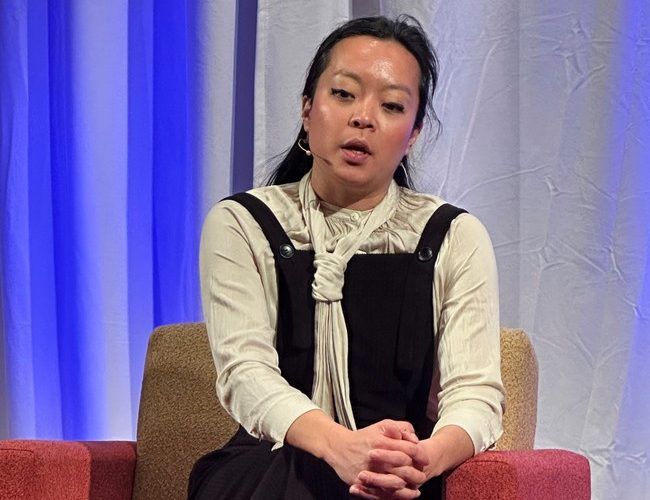
The Wisconsin Democratic primary race has turned chaotic: an establishment candidate suspended her campaign after inflated fundraising reports, a dropped candidate reentered amid pressure to stop a DSA-backed frontrunner, and receipts released by the GOP-backed opponent exposed a public contradiction about abolishing the Senate. This piece lays out the key moves, reactions, and the messy scramble inside the Democratic field as early voting proceeds and legal challenges over absentee ballots surface.
The race for Wisconsin governor is in visible disarray after Lt. Gov. Sara Rodriguez abruptly suspended her campaign following revelations that her reported fundraising totals were inflated, leaving her with far less cash than advertised. That suspension came shortly after Milwaukee County Executive David Crowley exited and later endorsed Rodriguez, a move that briefly looked like consolidation around the party establishment. When Rodriguez stepped aside, whispers immediately began about coaxing Crowley back in to blunt the rise of Francesca Hong, who has been running strongly in the polls.
Francesca Hong, a state representative with strong support from progressive circles and prominent backers, has held a consistent lead in recent primary polling and appears to have genuine momentum. Her positions and associations have provoked alarm inside the establishment, especially when some leaders proposed bringing Crowley back to stave off what they view as an extreme outcome. The urgency inside Democratic ranks shows in the lawsuits and frantic maneuvering to change ballots and voter guidance late in the process.
The GOP nominee in waiting, Rep. Tom Tiffany, has been vocally calling out Hong for her ties to DSA positions and for comments that suggest structural changes to American institutions. Tiffany released documentation that he says proves Hong once endorsed abolishing the U.S. Senate, a charge the Hong campaign denied while trying to walk back or reframe other DSA-aligned ideas. That public airing of a discrepancy between her past statements and her campaign’s denials has become a central talking point for Republicans and conservative voters.
The Hong campaign issued a statement rejecting the specific charge that she called for abolishing the Senate while admitting she has discussed broader, more radical goals historically. The campaign insisted those ideas are aspirational and not plans she would pursue as governor, and attempted to separate Hong from the national DSA apparatus by calling it a membership organization rather than a political party. Those explanations did little to calm critics who see substantive overlap between her past rhetoric and DSA positions on policing, borders, and institutional reform.
“Tom Tiffany is once again telling lies and inventing quotes, because he can’t run on his record. Rep. Hong has never called for abolishing the U.S. Senate. Tiffany cannot produce a single statement where she did, because it doesn’t exist.”
The contradiction matters politically because Hong has not only cultivated a progressive base but has also attracted public support from some controversial pundits and podcasters, which Republicans are quick to highlight. Even as the Hong campaign attempts to limit the fallout by framing certain shots at DSA policy as mischaracterizations, opponents are treating prior statements and organizational platforms as reliable evidence of what her administration might look like. That makes the August primary a flashpoint not just for Wisconsin but for how Democrats manage intra-party conflicts nationally.
Meanwhile, getting Crowley to reenter and carry the establishment standard faces steep obstacles: Hong’s polling advantage was durable even after Crowley briefly returned, and the early voting window complicates last-minute comebacks. Voters who have already cast absentee or early ballots face confusion because candidates have shifted rapidly, and Democrats have even filed litigation seeking to allow changes to absentee ballots after the fact. Those legal fights add another layer of uncertainty to an already chaotic primary season.
https://x.com/TomTiffanyWI/status/2081492267835981902
For Republicans, the scenario presents a kind of two-step play: hope the Democrats wreck their own chances by nominating a more extreme candidate in the primary, then capitalize in the general election by drawing contrasts between that nominee and mainstream voters. That strategy relies on early voting and intra-party turmoil locking in an outcome that appeals to conservative sensibilities, while also ensuring turnout and messaging remain tight through November. The released receipts and the public argument over abolishing the Senate feed directly into that conservative messaging.
“She has spoken about police and prison abolition in the past as an aspirational goal, but it is not her current position, and it’s not something she will pursue as governor. She does not support replacing the presidency with the Supreme Court. Eliminating national borders isn’t her position either, and it’s not even part of the official DSA platform. DSA is a membership organization, not a political party. Rep. Hong is not endorsed by DSA national, and doesn’t agree with everything in its national program,” Hong communications director Allison Geyer told Fox News Digital.
In the end, Wisconsin voters are being asked to navigate scrambled choices and rapid reversals as the primary approaches, and both legal and political outcomes remain unsettled. The establishment’s scramble, the DSA-backed surge, the GOP’s tactical responses, and the ongoing back-and-forth over statements and receipts mean this contest will keep shaping national narratives about party control, ideological purity, and who gets to decide the Democratic Party’s direction in 2026.


Add comment