

California’s chaos keeps getting called out, and a recent exchange between gubernatorial contenders made the point for Republicans: Democrats’ policies have hollowed out the state, and when they try to deflect blame the replies can sound like confessions. This article looks at that back-and-forth, what it reveals about voter frustration, and why the June 2 primary matters for the state’s future.
For years Republicans have argued that handing power back to the same Democrats who led blue states into trouble is a risky bet. California’s mix of rising crime, soaring housing costs, visible homelessness, and open-air drug use is the backdrop for that claim, and these problems are especially acute in places like Los Angeles, Oakland, and San Francisco. Voters leaving the state for safer, more affordable red states have turned those critiques into real consequences, not just talking points.
Steve Hilton, the Republican running in California’s jungle primary, has been pushing a simple message: Democratic leadership has produced statewide decline and they should not be rewarded with more power. Polls show Hilton with the edge in the primary field, and his argument rests on visible outcomes—population loss, high gas prices, and low housing affordability—that many residents experience daily. When Democratic candidates try to explain those outcomes away, their responses sometimes reinforce Hilton’s case instead of deflecting it.
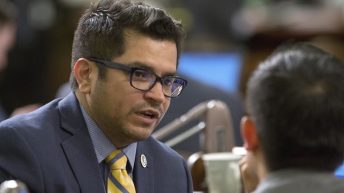
San Jose Mayor Matt Mahan, a Democrat and one of Hilton’s opponents, recently posted a message on X that aimed to shift blame to Washington and national forces. The tweet attempted to frame California’s difficulties as part of broader federal failures rather than the result of state leadership choices. That line of defense, rather than absolving local Democrats, prompted pointed reactions from Hilton and his campaign.
Hilton’s immediate reply was sharp and focused, puncturing the shift-to-federal narrative by pointing to specific state-level records and policies. He highlighted the contrast between what Californians actually live through and the blame being redirected to national politics. The exchange quickly drew attention because it put Democratic governance on the spot: if the state ranks worst or near the bottom on key measures, who bears responsibility?
The campaign account followed up with a blistering statement that did not mince words: “You admit California is #1 in population loss, #1 in gas prices, and dead last in housing affordability… because of Democrats… then immediately blame the “federal government” for “making it worse”?” That exact quote underlines the disconnect between admitting failure and refusing accountability. The statement continued, “Your party has run this state into the ground for decades—supermajority in Sacramento, endless taxes, regs, and failed policies.”
The quote went on to challenge the governor hopefuls’ proposed solutions: “Now you want us to believe you’ll “fix it” by fighting Trump? No thanks. Californians are done with Democrat FAILURE and excuses.” Leaving that quote intact matters because it captures the raw frustration many voters feel when leadership admits problems but points elsewhere for blame. Those words landed hard because they mirrored voters’ own experiences with cost and safety.
That same frustration is driving a broader narrative across the state: voters are asking whether incremental or symbolic gestures from entrenched parties will actually fix daily life. Conservatives argue that practical changes—restoring law and order, cutting burdensome regulations, and prioritizing housing affordability—are the fix, not partisan fights that focus on national culture wars. The primary becomes a referendum on that approach versus more of the same.
With the June 2 primary looming, the stakes are clear. Californians face choices about who gets to lead the recovery, and whether the next governor will accept responsibility for state outcomes or continue blaming outside forces. The back-and-forth between Hilton and his Democratic opponents is notable because it stripped away campaign polish and exposed the central question: who will be held accountable for fixing the state’s problems?
Voters in California are watching these exchanges closely, and many say they want leaders who offer real solutions rather than excuses. The dynamic in this race suggests a hunger for accountability and practical governance, and that will shape how people vote in the days ahead. The primary will set the stage for whether Californians try a new direction at the top or keep doubling down on the status quo.

Add comment