
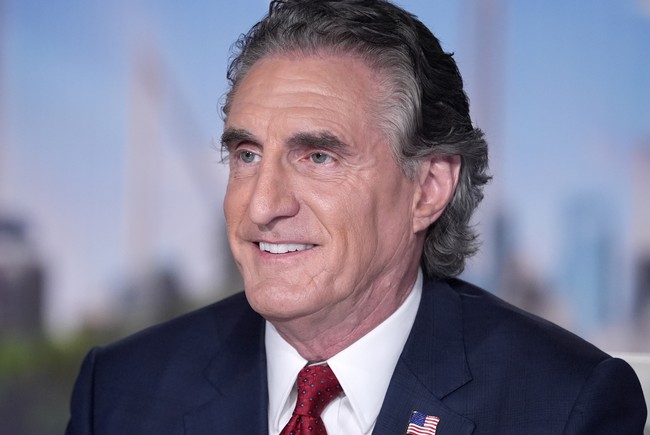
The Interior Department under Secretary Doug Burgum has ended 43 outside partnerships it says conflicted with its priorities, cutting more than $4 million in planned funding for programs tied to diversity initiatives, environmental justice, and services for undocumented immigrants; this article examines what was cut, why officials acted, and how that shift refocuses the department on core responsibilities like parks and resource stewardship.
For months the Interior has been drawing attention as a different kind of leadership took charge, and now that attention has turned to program accountability. The department reviewed cooperative agreements and decided a number of them no longer aligned with Administration goals. The result was a decisive cleanup of partnerships that were seen as mission-drifting.
The list of terminated agreements reads like a catalog of controversies: organizations promoting sweeping fossil fuel phaseouts, groups running diversity and inclusion programs inside national parks, and nonprofits offering advice on evading immigration enforcement. Those items prompted officials to ask whether federal partnerships should be used to promote ideological campaigns. The central point is straightforward: the department should concentrate on public lands, historical sites, and natural resources.
Officials framed the move as both fiscal and philosophical. More than $4 million in planned funding was removed from programs that, in the department’s view, pushed agendas beyond what federal park stewardship requires. That sum may be modest relative to the whole federal budget, but the symbolic hit to programs labeled as “woke” is significant. The change signals an intention to stop using Interior partnerships as a vehicle for activist goals.
One of the specific examples on the list drew attention because the organization involved had actively opposed administration actions. “The Department of the Interior is cutting 43 partnerships with outside groups it says no longer align with the Trump administration’s priorities, eliminating more than $4 million in planned funding for programs tied to DEI, environmental justice and support services for illegal immigrants.” That quoted statement was part of the department’s rationale and reflects how officials justified the move.
Another passage reproduced by the department underscores why some contracts raised eyebrows: “Led by Secretary Doug Burgum, the department determined the agreements were ‘operating in direct opposition’ to its mission, according to a press release obtained exclusively by Fox News Digital.” Those exact words capture the sense that some partnerships were actively antagonistic to policy priorities. When outside groups sue the government or publicly criticize initiatives, maintaining formal cooperation becomes awkward at best.
The Cultural Landscape Foundation was singled out as a partner whose public activity clashed with Interior plans, and that example sparked questions about expectations for cooperating entities. “Another group on the department’s list was The Cultural Landscape Foundation, which it said has a master cooperative agreement with the NPS ‘to conduct a variety of educational and cultural support activities.’ The organization has opposed several administration initiatives, including suing over changes at the Kennedy Center, criticizing plans for a White House ballroom and highlighting cultural landscapes and historic sites it says are threatened by administration actions through its Landslide 2026: Erasing American History initiative.” That passage illustrates the kind of friction agencies aimed to avoid by pruning agreements.
https://x.com/SecretaryBurgum/status/2065199179014586644
Critics of the cuts argue that partnerships can provide expertise and community engagement that the government lacks, while proponents say taxpayer-funded cooperation should not subsidize advocacy or litigation. There is a tension between harnessing outside talent and avoiding the appearance of federal endorsement for political activity. What matters to supporters of the recent policy is clear: federal dollars should support the mission, not activist overlays.
At stake beyond money is public trust. When taxpayers fund a partnership, people expect programs that preserve parks, protect habitats, and maintain historical sites—tasks core to the Interior Department’s mission. Redirecting attention back to those priorities is the message Burgum’s team is sending. It’s a move meant to reassert control over agency operations and clarify who represents the public interest within federally backed projects.
Whatever your view on the ideological aspects, the administrative logic is obvious: if a partner’s conduct undermines agency goals, severing that tie reduces operational friction. Interior officials believe this course restores focus to land management, visitor services, and preservation work. The department’s recent actions will probably prompt other agencies to reassess cooperative agreements and reconsider the proper boundary between partnership and politics.


Add comment