
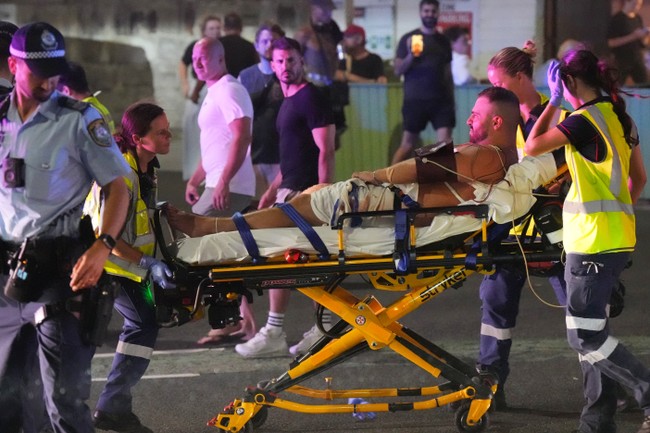
The article covers a survivor’s fierce criticism of police response during the Bondi Beach Hanukkah attack, the chaos and heroism among bystanders, and a call for serious review of immigration and law enforcement training in the wake of the assault.
The Bondi Beach attack has left survivors and witnesses angry and shaken, and one voice stands out. Vanessa Miller, who was at the Hanukkah gathering when violence erupted, has publicly condemned some officers at the scene for inaction. Her words have fueled debate about duty, training, and how quickly law enforcement should respond to active violence. The episode has also reignited discussion about immigration policy and community safety in Australia and beyond.
Miller’s account is blunt and personal, coming from someone who was protecting a child amid chaos. She says officers were close enough that she reached for a weapon in desperation, then was restrained. That kind of fear and immediate action captures the raw reality civilians face when trained protectors appear not to act. When a parent believes their child is at risk, they will try anything to stop harm.
There is a moral and professional expectation for police and soldiers to move toward danger when citizens are under attack. That expectation is part of their oath and public trust, and when people perceive a failure to meet it, outrage follows. Many witnesses report that fellow citizens stepped in where they felt officers did not, and those accounts have overshadowed official timelines for arrival and engagement. Public trust depends on clear, decisive action in crisis situations.
:
Vanessa Miller says:
The police officers were hiding behind a car. I tried to grab one of their guns, then one of them grabbed me and said “no.” I’m trying to grab for his gun. These men these police officers, they know who I am, and I hope they’re hearing this. You are weak. You could have saved so many people’s lives. They were just standing there, listening and watching this all happen. Holding me back. Two police officers – where were the others? Not there. Nobody was there. Everyone, the public, helped. Nobody else. My little three-year-old was saved by a pregnant woman, who saw her crying and screaming, “Mummy, Daddy.” We were there. There was not… How long did it take for police to come? How long did it take? Everyone was too scared.
Hindsight will always shape how events are judged, but the immediate reaction of those at the scene is telling. Grabbing an officer’s gun is not a sane recommendation, yet the impulse to act when a child is in danger is understandable. People on the ground do not have the benefit of command protocols or risk assessment analytics; they have instinct. When instinct drives a parent to try to save a child, that moment defines the human cost of delayed response.
The incident raises tough questions about training and rules of engagement for officers facing active assailants. Citizens expect police to run toward the threat, not away, especially when unarmed families are being targeted. If officers feel constrained by unclear policies or fear of repercussions, those constraints can cost lives in seconds. Communities deserve clarity about how their protectors will act under fire.
This attack also points to wider policy debates that politicians and law enforcement leaders cannot ignore. Officials will face pressure to examine immigration screening, radicalization pathways, and the local intelligence that might flag dangerous individuals. Those are policy areas where elected leaders must be willing to make hard choices and prioritize safety over political convenience.
In the United States, the discussion will inevitably include the role of armed citizens and legal protections for self-defense. The difference in armament between nations shapes how crowds and victims can respond to sudden violence. That legal and cultural context matters when comparing outcomes and options across countries.
Beyond policy fix-ups, there is a moral moment here for police departments to review tactics and for leaders to demand accountability. Training should prepare officers to act decisively in chaotic scenes and to prioritize saving lives above all else. When the public perceives hesitation, rebuilding trust will require transparent investigations and visible changes in practice.
Stories of bystander bravery deserve attention alongside criticism of failures. Many at Bondi Beach stepped up and helped others, including a pregnant woman who shielded a child. Those acts of courage remind us that community resilience often fills gaps when institutions falter. Still, reliance on spontaneous heroism is not a substitute for reliable protection.
As details continue to emerge, the conversation will move from anger to policy proposals and procedural reform. Australians and people worldwide are watching how authorities respond—both to the immediate investigations and to longer-term changes. The victims and survivors deserve answers and concrete measures to reduce the chances of a repeat.



Add comment