
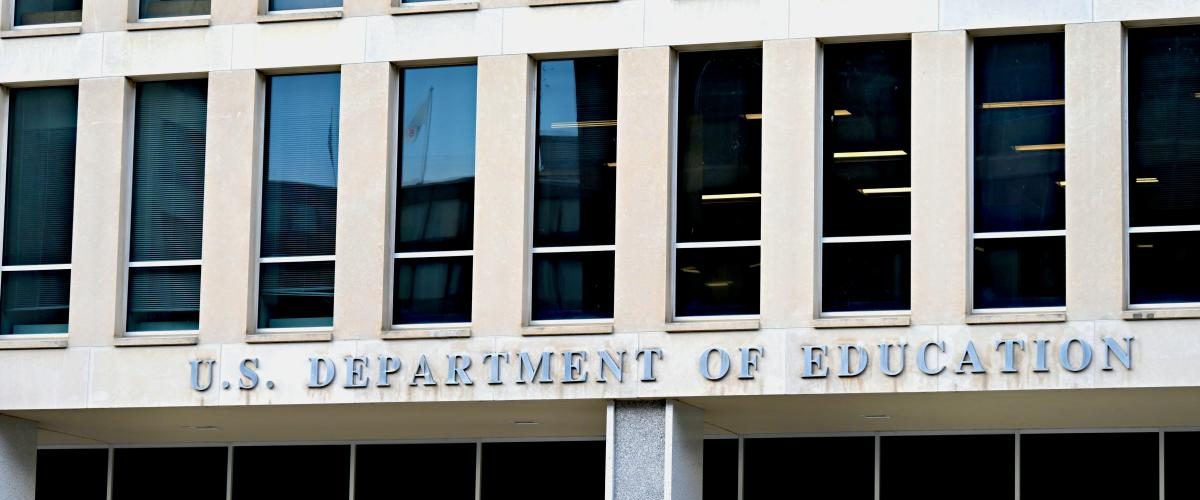
Education Secretary Linda McMahon has announced a significant change in the way student loans will be handled, starting August 1. Interest on student loans will begin accruing again under the Saving on a Valuable Education (SAVE) Plan. This plan, originally introduced by former President Joe Biden, was struck down by the U.S. Supreme Court as unconstitutional in June 2023.
The SAVE Plan was initially promoted as a way to make loan repayments more affordable, but it faced heavy scrutiny. Critics, especially from conservative circles, argued that it was essentially an attempt by Democrats to “straight up buy votes.” With the Supreme Court ruling against it, the plan has now been retired, marking a shift in federal student loan policies under President Trump’s administration.
Under Trump, there is a move to overhaul the federal student loan system. The focus is on phasing out plans like SAVE that were seen as burdening taxpayers. Trump’s administration has been clear that loan cancellations are not justifiable, labeling them as “vile” because they transfer debt from borrowers to taxpayers.
In her announcement, McMahon directed borrowers to visit StudentAid.gov. Here, they can explore what the Department of Education is calling legal, affordable repayment options. Republicans, among others, have long questioned the fairness of loan forgiveness, especially when compared to military service members who earn education benefits through their service.
The new direction also brings into question why liberal arts majors seemed to benefit more from the Biden-era plans than those pursuing vocational training. The Trump administration’s changes are encapsulated in the One Big Beautiful Bill Act, signed on July 4, which reshapes the student loan landscape. This act affects almost 43 million borrowers, imposing stricter borrowing limits and reducing repayment options.
Key changes include phasing out the SAVE Plan by July 1, 2028, and resuming interest accrual by August 1, 2025. Borrowing limits will also change significantly. Graduate student loans will be capped at $20,500 annually, with a lifetime cap of $100,000, while professional degrees will see caps of $50,000 annually and $200,000 lifetime.
Parent PLUS loans are also seeing changes, capped at $20,000 per year and $65,000 per child. Additionally, there will be a combined loan limit for undergraduate and graduate loans set at $257,500. The repayment systems will be simplified into two main plans: a standard plan and the Repayment Assistance Plan (RAP).
The standard plan offers terms ranging from 10 to 25 years, based on the debt size. The RAP ties payments to income, starting at $10 monthly for those earning $10,000 or less, and goes up to 10% of adjusted gross income for higher earners. It also offers some interest waivers and principal reduction for lower-income borrowers, though a $10 minimum payment is required.
Loan forgiveness under RAP can extend to 30 years, a shift from the previous 20 or 25 years, making it tougher for borrowers to qualify. However, those with loans before July 1, 2026, can still access the older Income-Based Repayment (IBR) plan. This plan offers forgiveness after 20 or 25 years, depending on when the loans were taken.
The legal challenges surrounding the SAVE Plan have added a layer of complexity to the administration of these loans. As a result, the processing of IBR forgiveness is currently on hold. Borrowers who overpaid during this period are promised refunds.
This overhaul reflects a significant shift in how student loans are managed and perceived, aligning with conservative views on fiscal responsibility and fair play. With these changes, the Trump administration aims to balance the scales, ensuring that taxpayers aren’t footing the bill for debts they didn’t incur.
Add comment