
The U.S. is cutting off the Iranian regime’s lifelines, squeezing its oil exports and hunting down hidden cash, while the administration doubles down on sanctions and naval pressure to force Tehran to feel real consequences.
The blockade has tightened into a chokehold that is visibly degrading Iran’s ability to operate its oil infrastructure and fund the Revolutionary Guard Corps. Economists and intelligence reports point to massive daily revenue losses — hundreds of millions per day — because Tehran can no longer move product through its normal ports. That loss ripples through state revenues and the shadow networks that underwrite the regime’s regional aggression.
Kharg Island and related oil terminals are central to Iran’s export apparatus, and reports say storage capacity is nearing exhaustion. When storage runs out, tanker operators must stop pumping to avoid catastrophic damage to wells and infrastructure, which could inflict long-term harm on Iran’s production. A rusting, repurposed tanker pulled from mothballs to serve as floating storage only delays the problem by a day or two, not weeks or months.
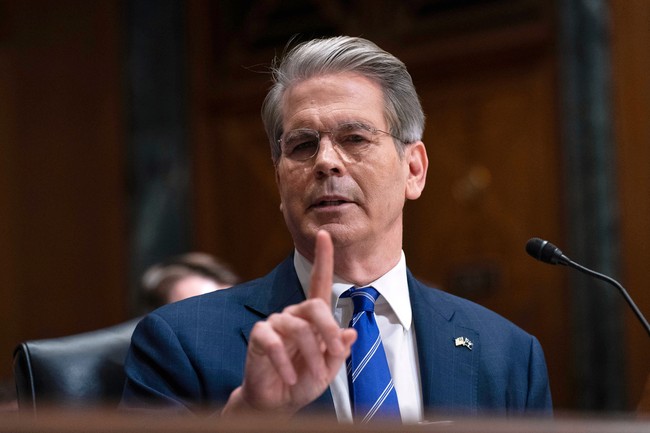
Beyond the physical blockade, Treasury Secretary Scott Bessent is applying targeted financial pressure under a campaign labeled “Economic Fury.” The plan is straightforward: follow the money, freeze assets, and isolate any actors that help Tehran move revenue out of the country. That double squeeze of kinetic and financial pressure is meant to degrade the regime’s capacity to pay proxies and sustain terrorism.
There’s a big update on how he’s following through and dropping the hammer on the regime.
Under Economic Fury, @USTreasury will continue to systematically degrade Tehran’s ability to generate, move, and repatriate funds. Treasury’s Office of Foreign Assets Control is sanctioning multiple wallets tied to Iran — resulting in the freeze of $344 million in cryptocurrency. We will follow the money that Tehran is desperately attempting to move outside of the country and target all financial lifelines tied to the regime.
Part of that effort depends on cooperation from regional partners, especially Gulf states, to trace suspicious transfers and intercept covert trade flows. Being fired on tends to sharpen incentives for transparency when it comes to bank accounts and shipping registries. The goal is to make enabling Iran’s revenue streams costly for intermediaries and third-party buyers alike.
The Treasury’s Office of Foreign Assets Control has already named significant targets, including a major China-based teapot refinery and a wide set of shipping firms tied to Iran’s shadow fleet. These moves are designed to cut off middlemen who process and disguise Iranian oil sales. Disrupting that infrastructure raises the operational cost of doing business with Tehran to the point where many buyers will walk away rather than risk sanctions.
Today, Treasury’s Office of Foreign Assets Control (OFAC) sanctioned Hengli Petrochemical (Dalian) Refinery Co., Ltd., a China-based independent teapot refinery. China-based teapot refineries continue to play a vital role in sustaining Iran’s oil economy, and Hengli Petrochemical is one of Iran’s largest customers, having purchased billions of dollars’ worth of Iranian petroleum. Additionally today, OFAC is targeting around 40 shipping firms and vessels associated with Iran’s shadow fleet. Economic Fury continues to disrupt Tehran’s ability to generate the revenue that enables the regime’s reckless terrorist activities.
China currently buys the lion’s share of Iran’s oil, roughly nine out of ten barrels by some estimates, so targeting the intermediaries that enable those flows is a logical lever. Bessent they would continue to ramp up the “financial stranglehold” and “constrict the network of vessels, intermediaries, and buyers Iran relies on to move its oil to global markets.” He warned that “any person or vessel facilitating these flows—through covert trade and finance—risks exposure to U.S. sanctions.”
Diplomatic signaling is happening alongside enforcement. Iran’s foreign minister traveled to Islamabad and emphasized neighborhood relations, yet observers note Tehran’s recent attacks against Gulf neighbors undercut that rhetoric. Missing negotiators and rumors of internal shakeups in Iran’s delegation suggest the regime is under considerable strain, politically and operationally.
Absent credible diplomatic engagement or meaningful concessions from Tehran, pressure is likely to continue or escalate. The United States has increased naval presence in the region, adding assets to deter further strikes and to protect maritime lines of communication. That alignment of financial choke points and military deterrence is intended to impose real costs and force a strategic recalculation inside Tehran.
The arithmetic is simple from a Republican standpoint: if you cut off the money and deny safe markets, you degrade the regime’s ability to export violence and project power. This mix of sanctions, asset freezes, and targeted enforcement aims to create durable pain that shapes behavior without necessarily committing to open-ended ground engagements. The intent is to make enabling Iran an unattractive proposition for states, companies, and shadow operators alike.


Add comment