
I’ll walk you through an Alaska dispatch about seasonal change, bold wildlife encounters from otters to a jiu-jitsu-defending hiker, and a quick note about firewood — keeping the facts, quotes, and original numbers intact while trimming links and extras.
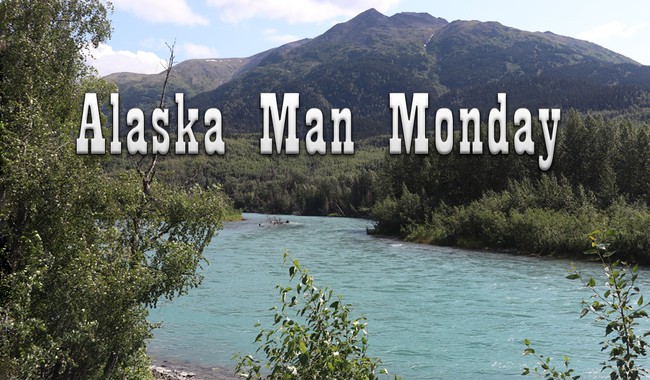
Fall is starting to show up in the Susitna Valley with cooler, rainy days replacing summer heat and crisp mornings making their first appearances. Birch and poplar leaves are shifting from that bright early-summer green toward a dustier tone, and small patches of yellow are popping up across the canopy. The landscape is settling toward the slower rhythm of autumn.
Before we get into bears and wood piles, there’s a strange wave of boldness among river otters in the Anchorage area that deserves attention. Recent reports describe otters approaching people and even biting in a couple of incidents, which is out of character for the mostly playful animals most of us remember from streams and creeks. That behavior has put wildlife officials on alert and got locals talking about how urban wildlife adapts to human presence.
Wildlife officials are warning people to avoid river otters after two recent attacks in Anchorage, including one in the Taku/Campbell area this week.
The Alaska Department of Fish and Game urged people to watch out for aggressive animals in an alert Wednesday, a day after a man was injured when an otter approached him and a group of children along Campbell Creek near Taku Park.
Late last month, a child on a paddleboard was bitten during an encounter with a group of four river otters on Sand Lake, according to the statement. Fish and Game officials said otters also acted aggressively with a dog, which wasn’t injured, in the same area.
That quoted alert paints a clear picture: multiple incidents, different water bodies, and concerns for both people and pets. River otters have a reputation for being curious but not confrontational, which makes these episodes notable. Locals who grew up watching otters play along stream banks are puzzled to hear of such aggressive behavior.
My own memory goes back to Allamakee County, Iowa, where we occasionally saw otters sliding down creek banks and tumbling about, clearly enjoying themselves. Those otters gave people plenty of space and were more entertaining than threatening, turning a cold winter day into a favorite backyard show. It serves as a reminder that when animals change their habits around humans, it’s usually because something in environment or conditioning has changed.
River otters are found throughout Anchorage’s lakes and streams, often in groups, and can be territorial, biologists say. They can travel both overland and by using Anchorage’s connected bodies of water.
Fish and Game officials said in Wednesday’s statement that they had few details about the otters involved in the encounter this week, as well as their group composition.
Biologists note river otters live throughout Anchorage’s lakes and streams, often in groups, and they can be territorial. Those same traits mean otters sometimes move overland as well as through connected waterways, giving them access to neighborhoods and parks that border water. Officials admit they don’t yet have a complete picture of the specific animals involved in the recent encounters.
Alaska Man score: 5 aquatic meat Slinkies. They’re just doing what they do. That bit of tongue-in-cheek scoring captures a certain Alaskan shrug: these are wild animals behaving by their nature, and people need to know where the line between curiosity and danger lies. Awareness and sensible caution are the best short-term responses while experts gather more information.
On a different island of the state, another wildlife story took a different tone when a woman on Kodiak Island defended herself against a charging brown bear. She didn’t use pepper spray or a firearm; she used jiu-jitsu. That anecdote underlines the unpredictable variety of encounters a person in bear country can face and speaks to the quick thinking of some outdoors people when adrenaline and training meet danger.
Lastly, with colder weather approaching, it’s worth talking about stove wood — what burns well, what doesn’t, and how to store it for winter comfort. Choosing the right wood affects heat output, creosote buildup, and the amount of splitting and stacking you’ll do before the snow flies. Practical considerations make a big difference to anyone heating with a wood stove or fireplace.



Add comment