
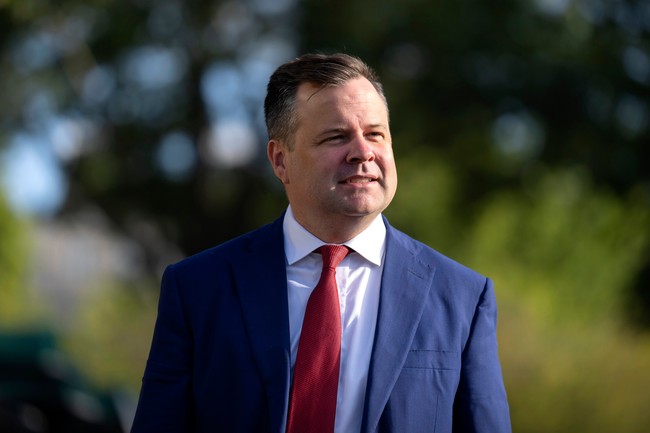
Acting DNI Bill Pulte has reportedly started a sweeping staff reshuffle at the Office of the Director of National Intelligence, sparking predictable outrage from the left while conservatives point to the need to clean house and cut bureaucratic bloat.
When Tulsi Gabbard stepped down as National Intelligence Director to care for her husband, President Trump tapped Bill Pulte as acting director, a move that unsettled many on the other side of the aisle and some in Washington. Pulte arrives with a reputation for being aggressive and unafraid to challenge entrenched players. That posture explains why some in the Beltway are alarmed and why others welcome his arrival.
The president then nominated Jay Clayton for the permanent role but delayed the confirmation, arguing Republicans were misled on the renewal of Section 702 of the Foreign Intelligence Surveillance Act. Section 702 involves surveillance on non‑Americans outside the U.S., and the fight over its reauthorization exposed fractures in the confirmation process. With Clayton’s hearing postponed, Pulte remains in the acting slot with broad latitude to act.
Acting officials often face less resistance in making personnel decisions, and Pulte’s status gives him leverage to move rapidly. Sources report pink slips circulating inside ODNI, suggesting a substantial personnel reset is already underway. That kind of shakeup matters because intelligence agencies are full of long-standing career staff who shape culture and policy behind the scenes.
That announcement was met with swift resistance from Democrats and even some Republicans who said he was unqualified for the role and had no prior experience. He had also severely hurt the feelings of the Dems by referring Sen. Adam Schiff (D-CA), Federal Reserve Governor Lisa Cook, and NY Attorney General Letitia James to the Justice Department for mortgage fraud.
Critics framed Pulte as an outsider unfit for the job; supporters see him as precisely the outsider the intelligence bureaucracy needs. The point is not personality but purpose: clean out politicized elements and restore alignment with the president’s national security priorities. That is a legitimate conservative argument when agencies become captive to careerism and groupthink.
Multiple outlets reported the dismissals, and one source bluntly said, “The deep state firings have begun.” The phrase captures the political theater, but it also signals that the move is deliberate and coordinated from the top. For Republicans who have long argued for accountability and leaner government, this is a test case in executing those principles inside national security institutions.
President Donald Trump’s new acting director of national intelligence, Bill Pulte, began purging staff members at the office Monday, a source familiar with the matter confirmed to NBC News.
“The deep state firings have begun,” the source said.
https://x.com/EricLDaugh/status/2069179718151155772
CNN was first to report that the dismissals were underway.
Reports note Pulte asked for a full staff list and arrived early, moves that underline his intent to act quickly. Sources also claim he had been considering major cuts and reassignments, an approach consistent with the president’s stated desire to reduce what he calls bureaucracy and personnel who do not share his priorities. Speed and surprise are sometimes the only way to loosen entrenched networks.
The political backlash predictably came from Democrats, who sent a stern letter demanding Pulte stand down, alleging misuse of office and politicized motives. Their claim frames any purge as retribution rather than reform. From a conservative perspective, concerns about politicization of the intelligence community deserve scrutiny, and accountability should not be dismissed as mere partisan revenge.
“We are concerned that your record as director of the Federal Housing Finance Agency demonstrates a willingness to misuse your position, including your access to sensitive information, to pursue President Trump’s perceived political enemies and further his retributive political agenda,” Virginia’s Sen. Mark Warner and Connecticut’s Rep. Jim Himes (04) wrote.
That warning from Democratic leaders is theatrical but expected; they will oppose moves that shift institutional balance away from their allies. Meanwhile, conservatives will watch whether Pulte targets genuinely problematic operatives or simply conducts political housecleaning. The difference matters for how the public and lawmakers respond.
At stake is how the intelligence community realigns post-2024 politics and whether elected leaders can impose direction on agencies accustomed to operating with autonomy. Pulte’s actions will set a precedent for future administrations about what a president can change through acting appointments. For Republicans interested in restoring civilian control and cutting fat, this moment is a practical experiment in governance.
Whatever the final tally of job moves and resignations, this episode underscores the friction between career officials and political leadership. Expect hearings, press statements, and continued accusations as the story unfolds in D.C. Those dynamics will shape not just personnel files but policy outcomes on surveillance, intelligence priorities, and oversight.



Add comment