
With three weeks until the midterm elections and early voting already underway in some states, two Senate contests in Texas and Michigan are tightening in ways that could complicate Democrats’ hopes of retaking the chamber, according to a Fox News opinion column by Liz Peek. Betting site Kalshi currently shows 61% odds that Democrats win control of the Senate, but Peek argues recent developments in both races warrant caution about that prediction.
Texas: Talarico’s absence raises questions
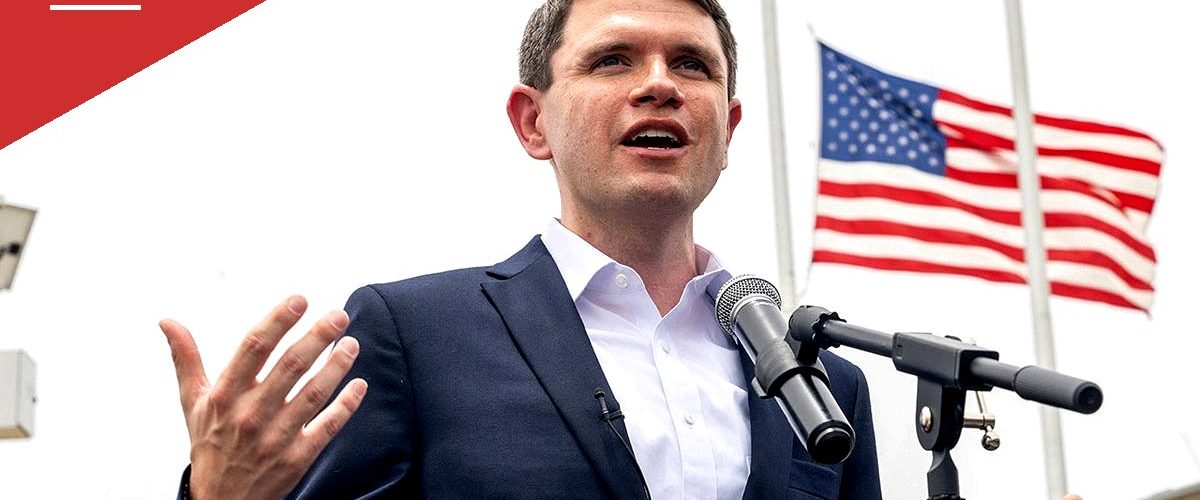
In Texas, Democratic state Rep. James Talarico, 37, recently went missing from public view for nearly two weeks — an absence Peek calls “extraordinary” so close to Election Day. Talarico has said he had the flu. His disappearance fueled what Peek describes as a “whirlwind of apparently erroneous rumors,” which she says gained traction partly because Talarico has previously voiced unconventional views, including a past claim that there are six genders and that God is non-binary, statements he has since walked back.
Republican opponent Attorney General Ken Paxton, who Peek acknowledges is an unpopular candidate carrying “considerable baggage,” is running ads featuring Talarico saying, “I always think of myself as a Christian who hates Christianity.” Talarico has also faced scrutiny over a past vote as a state representative against bans on biological men playing in women’s sports, and for 2022 remarks to the Texas Humane Legislation Network warning of the “existential” need to “reduce our meat consumption” — a notable position in a state known for its cattle industry.
Polling has narrowed considerably. A recent UMass Lowell/YouGov poll shows Talarico and Paxton tied, with 7% of voters still undecided.
Michigan: El-Sayed’s shifting positions under scrutiny
In Michigan, Democratic candidate Abdul El-Sayed has faced criticism over apparent reversals on Medicare-for-all, his signature policy issue. In a 2020 podcast, El-Sayed said Medicare-for-All “does away with the private insurance market.” His campaign website now states: “Medicare for All does not have to ban additional private insurance through unions or employers, although Medicare for All should make those choices redundant and unnecessary.” During his primary race in January, El-Sayed said, “If you like your insurance from your employer or from your union, that can still be there for you.”
Peek notes that a writer at The Bridge, a nonpartisan Michigan news outlet, cited a 2020 Urban Institute estimate that Sen. Bernie Sanders’ version of Medicare for All would cost the federal government $34 trillion over ten years.
El-Sayed has also faced questions about past statements on dual citizenship and family ties. On Meet the Press, he said neither he nor any family members have ties to the Muslim Brotherhood, a group designated a terror organization by the UAE, Saudi Arabia and Egypt. Peek notes that El-Sayed’s half-sister, an assistant professor at the University of Chicago, has stated on social media in the past that her family “has long been” members of the Muslim Brotherhood and that relatives had been “jailed” over the association.
Separately, El-Sayed told a Detroit GlobeMed conference in 2016, “I carry dual citizenship, and I grew up spending most of my summers in another country,” a claim he made on his academic resume as well but now denies. During a recent debate, El-Sayed declined to say whether he considers Iran or Israel the bigger threat to the United States.
Michigan polling has tightened in recent weeks, with several surveys showing El-Sayed leading Republican opponent Mike Rogers by only one or two points — within the margin of error.


Add comment