
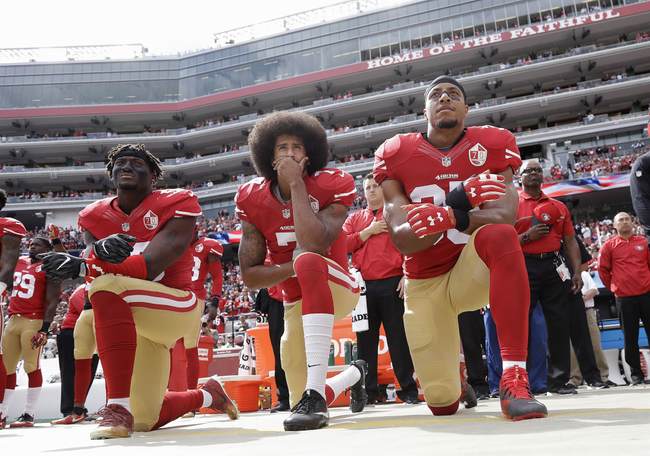
The Washington Post has been criticized by conservatives for its recent layoffs and what critics call a long history of partisan coverage, and this piece examines one example: the paper’s decision to call Colin Kaepernick the “most relevant” figure around Super Bowl LX. I’ll explain why that label rubbed many fans the wrong way, how Kaepernick’s protests shifted the conversation in football, and why critics view the Post’s praise as emblematic of a media outlet out of touch with mainstream sports fans.
The Post’s declaration that Colin Kaepernick is the most relevant figure to a Super Bowl played in his former stadium landed like a provocation, not an analysis. Critics argue that calling someone who has not played in years the “most relevant” ignores the players, coaches, and fans who actually shape the game today. This controversy fits a broader conservative critique that elite media outlets favor performative politics over everyday American interests.
There are real arguments to be had about Kaepernick’s impact on the NFL and public debate. His 2016 kneeling protest during the national anthem forced conversations about race, policing, and patriotism into stadiums, and those conversations changed how teams and fans engage with politics. Still, many fans see his legacy as divisive rather than unifying, and they bristle when legacy media treat his activism as the central story around a championship game.
To be clear, the Post included this line: “The Super Bowl is being played in Colin Kaepernick’s former home stadium, at a societal moment that echoes the issues he forced football fans to confront nearly 10 years ago, after he kneeled during the national anthem before a 49ers game.” That quote captures the paper’s framing, and conservatives say it reveals a preference for narrative over nuance. When outlets elevate activists as the defining characters of sports events, they risk alienating fans who come for competition, not politics.
The Post also wrote, “The most relevant figure to Super Bowl LX is absent from it.” That sentence is exact and provocative, and conservatives find it hard to swallow. Many people simply do not view Kaepernick as the central figure of contemporary football; they see him as someone whose actions sparked debate but who no longer plays a role on the field. Labeling him the most relevant figure feels like an editorial choice designed to stoke culture war flames.
Those who have watched media trends see this as part of a larger pattern: outlets prioritizing ideological signaling over reporting on the things sports fans care about, like team performance, coaching strategies, and player health. For readers who follow the league closely, the Super Bowl is about the matchup, the players suiting up, and the plays that decide a title. When a paper rewrites that focus, it can read as dismissive of the fan experience.
Critics of the Post connect its editorial choices to its internal troubles, like recent layoffs, arguing that long-term editorial decisions have consequences. From their perspective, audiences shrink when coverage drifts from shared interests to niche political narratives. That view frames this Kaepernick headline not as an isolated misstep but as symptomatic of why some readers have checked out of certain mainstream outlets.
Social media amplified the backlash, with former employees and commentators weighing in about newsroom culture and editorial priorities. Conservatives claim those reactions are evidence that many journalists have embraced an activist identity that clashed with broader audience expectations. The fallout shows how charged sports coverage has become when it intersects with national political debates.
There’s no denying Kaepernick changed the national conversation; he pushed issues into public view and forced institutions to respond. But change can be complicated, and many Americans feel his approach was polarizing rather than reconciliatory. For a Super Bowl audience that spans the country, elevating one activist above the athletes actually playing the game feels out of step.
Public trust in media depends on perceived fairness and focus, and critics contend that when a major paper frames a championship weekend around a retired quarterback’s activism, it undercuts that trust. Conservatives argue for coverage that honors the primary purpose of sports reporting: explaining the game, the stakes, and the people who made it happen. Readers who tune in for the matchup expect reporting that speaks to their experience of the event.
At the end of the day, the debate over headlines and relevance reflects a larger cultural argument about where media priorities should lie. Some outlets see a duty to foreground social issues, while critics insist sports coverage should respect the boundaries of its audience’s expectations. The Kaepernick framing is just the latest flashpoint in that ongoing clash, and it illustrates why many conservatives remain skeptical of legacy media narratives.


Add comment