
I will lay out the clash over Minnesota’s governor urging citizens to film and confront ICE, detail President Trump’s warning to invoke the Insurrection Act, quote the governor’s own words verbatim, explain what the Insurrection Act allows, connect the timing to alleged fraud revelations, and note the escalating political stakes between federal authority and state leadership.
Minnesota’s governor released a video that encouraged people to record and report immigration enforcement activities, and that message set off a swift reaction from the White House. The governor’s rhetoric crossed a line for many who saw it as an incitement to obstruct federal law enforcement rather than a call for lawful civic engagement. Conservatives are framing this as a direct threat to ICE officers doing their jobs, and they view the response from President Trump as both predictable and necessary. This dispute is now a sharp test of federal authority versus state-level political theater.
The video urged grassroots agitation and urged citizens to gather evidence against federal agents, which opponents say risks creating dangerous confrontations on neighborhood streets. Critics point to the timing and tone as evidence the governor prioritized political posturing over public safety. Those critics also link the rhetoric to a broader narrative that Minnesota’s administration is under fire for alleged corruption tied to large fraud claims. In that context, the video looks less like public guidance and more like a distraction tactic.
Below is the governor’s own language as quoted verbatim, which has been repeated widely because of its starkness and potential consequences for public safety.
ICE agents are going door-to-door ordering people to point out where their neighbors of color live. They’re pulling over people indiscriminately, including U.S. citizens, and demanding to see their papers. And at grocery stores, bus stops, even at our schools.
They’re breaking windows, dragging pregnant women down the street – just plain grabbing Minnesotans and shoving them into unmarked vans. Kidnapping innocent people with no warning and no due process.
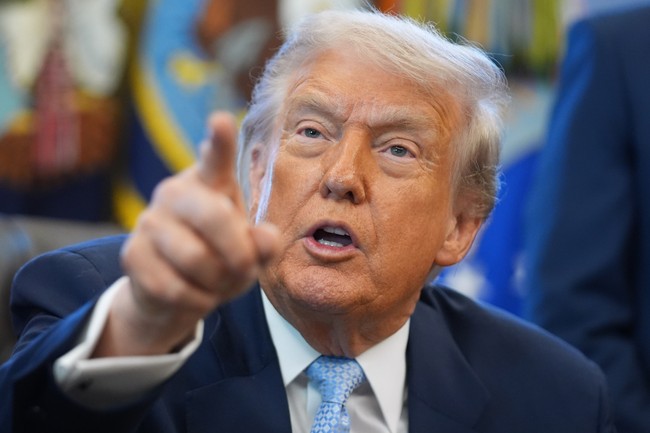
That direct language prompted a firm response from President Trump, who warned that continued hostilities toward ICE would bring federal intervention. He publicly threatened to invoke the Insurrection Act to restore order if state officials did not curb the attacks on federal agents. From a Republican perspective, this is a necessary stance: federal law enforcement must be protected from political campaigns that aim to hinder enforcement or create hostile environments for officers.
The Insurrection Act gives the president authority to deploy the military domestically under narrowly defined circumstances to suppress insurrection or enforce federal law when state authorities cannot or will not. It is among the most powerful emergency tools available to a president, intended for serious threats to public order. Conservatives argue that when state leaders encourage resistance to federal officers, the federal government must be prepared to step in to protect agents and enforce the law.
Applied to this case, the Insurrection Act would authorize the use of federal forces and the National Guard to suppress insurrection, enforce federal statutes if state authorities fail to act, and protect constitutional rights threatened by a breakdown of law and order. That possibility sent a clear signal to Minnesota’s leadership: tolerating or encouraging obstruction of federal agents will not be treated lightly. Republicans view such a stance as upholding the rule of law rather than escalating tensions for political gain.
Meanwhile, the governor’s video coincided with independent reporting that alleges widespread fraud under his watch, which critics say makes the timing highly suspect. Those reports claim organizational abuses and raise questions about governance that opponents say the governor is trying to deflect from. Conservative commentators are framing the sequence as a pattern: first a scandal breaks, then a provocative public message follows, designed to rally sympathetic constituencies while muddying the political waters.
The bottom line from a Republican viewpoint is simple: federal law enforcement must be defended, and officials who foment resistance against federal agents should be held accountable. Invoking the Insurrection Act is not about politics as usual; it’s about preserving public safety and ensuring federal laws are enforced when state leaders either encourage or tolerate interference. That is the standard being pressed on Minnesota right now.
This clash raises broader questions about the balance between state rhetoric and federal enforcement, the limits of protest when it endangers officers, and the proper role of extraordinary federal powers. For those who prioritize order and the rule of law, the president’s warning is a straightforward declaration that obstruction of federal agents will have consequences. The coming days will show whether Minnesota’s leadership backs down from its rhetoric or whether the federal government follows through to restore order.
Add comment