
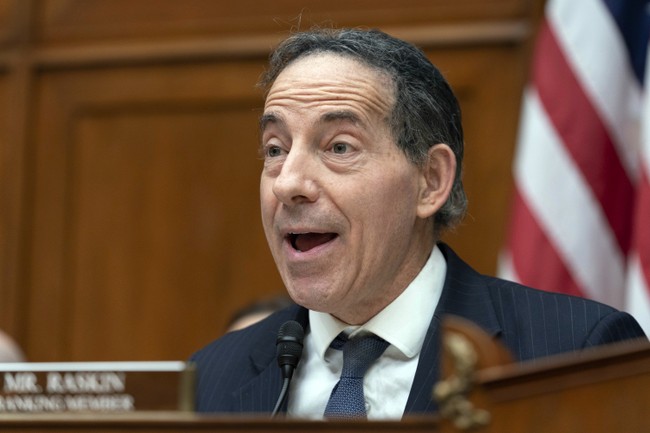
The new GOP-led January 6 subcommittee hearing opened with a sharp exchange when Rep. Harriet Hageman pressed former DOJ prosecutor Michael Romano about whether anyone tied to January 6 had been convicted under the federal insurrection statute, prompting an attempt by Rep. Jamie Raskin to interject that ultimately failed.
Watch: Raskin Shut Down After Hageman Exposes ‘Insurrection’ Myth at New J6 Committee
The hearing set a clear tone: Republicans intend to question long-standing narratives about January 6 and demand precise answers rather than broad labels. Rep. Harriet Hageman directly asked whether anyone had been prosecuted for insurrection related to the events at the Capitol, forcing prosecutors to be precise about charges and convictions. That line of questioning exposed how politicized language has been used to paint ordinary law enforcement matters as existential threats.
During the opening session, Democrat Rep. Jamie Raskin referenced Pamela Hemphill and called her “a convicted insurrectionist.” He said, “I would just commend to everybody the testimony of Pamela Hemphill, who was a convicted insurrectionist that was pardoned.” Hageman pushed back, challenging the accuracy of the statement and insisting the committee get the facts straight. The exchange underscored the committee’s drive to separate legal realities from charged political rhetoric.
Hageman asked the prosecutor bluntly, “Mr. Romano, did you prosecute anyone related to January 6th for engaging in an insurrection?” Romano replied plainly, “No, congresswoman.” That admission matters. It shows the federal government, in many cases, pursued misdemeanor or other discrete charges but did not bring the rare and specific federal insurrection charge in connection with January 6 prosecutions.
Raskin attempted to intervene when Hageman followed up to clarify that Hemphill’s convictions were not for insurrection but for a misdemeanor. The congressman tried to cut off the exchange, but Hageman would not yield, asking again, “She wasn’t a convicted insurrectionist, was she?” The prosecutor confirmed, “For the crime of insurrection, no.” The back-and-forth highlighted a persistent gap between the way some Democrats describe events and the legal record.
The hearing demonstrated a broader Republican aim: to peel back politicized labels and insist on exact legal classifications. Members of the panel insisted they would sift through testimony to correct misstatements and show how various terms have been applied loosely. Republicans framed this work as getting to the truth about what actually happened, rather than accepting a narrative that elevates rhetoric above evidence.
That approach is bound to rile the left. Republicans say the repeated use of “insurrection” in public discourse has turned ordinary prosecutorial choices into rhetorical weapons. By forcing witnesses to answer whether the insurrection statute was used or whether people were actually convicted under it, the committee sought to limit the latitude of broad accusations that carry heavy political consequences.
Beyond the Hemphill exchange, committee members signaled they would revisit how the government classified and charged conduct on January 6. Republicans emphasized the need to distinguish between actions that warranted serious felony charges and those that were prosecuted as misdemeanors or other offenses. The point was not to minimize wrongdoing but to demand accuracy in how it is described and prosecuted.
As the hearing unfolded, the partisan divide was clear in tone and tactic. Democrats pushed the narrative of a coordinated assault on democracy, while Republicans aimed to highlight inconsistencies and potential overreach. Raskin’s comment, “The truth is a resilient thing. We’re not going to put up with a pack of lies in this subcommittee and a bunch of conspiracy theories,” reflects that adversarial posture, but Republicans counter that examining legal records is not conspiracy but oversight.
Republican members framed the committee’s mission as fact-finding with an emphasis on legal detail. They argued the public debate benefits from clear answers about charges, convictions, and the statutes actually applied. The Hemphill exchange became an early example of how the panel will press witnesses to separate legal outcomes from political narratives.
Expect more confrontations like this as the committee continues its work. Republicans say they will keep returning to the evidence, asking witnesses to say plainly whether charges of insurrection were sought, brought, or resulted in convictions. That insistence on clarity is central to their case that many public claims about January 6 have outpaced the underlying legal record.
Add comment