
The United States has carried out Operation Epic Fury for more than a month, and recent events show the administration is serious about projecting strength and protecting Americans abroad. A daring rescue deep inside Iranian-held territory exposed weaknesses in Iran’s posture, prompting fresh warnings from U.S. leadership and a public showdown that the regime seems to be misreading. Tehran’s online taunts and diplomatic bluster look increasingly risky against the reality of U.S. capabilities and resolve. This piece examines the military message, Iran’s reaction, and why provocative social media posts won’t change the balance of power.
The rescue of an American crew member inside Iran revealed operational reach few doubted existed, and it left retired military leaders blunt about Tehran’s vulnerabilities. That mission showed the U.S. can plan and execute complex operations deep in contested space and come home without losses. For a regime that trades in bravado, the embarrassment was sharp and public. Losing face on that scale matters in authoritarian systems where perception of strength is everything.
Iran’s political culture compounds the problem. The clerical leadership often operates with priorities divorced from ordinary public welfare, and that inward focus limits rational calculation. When a government treats defiance as the chief virtue, it risks escalation because it mistakes stubbornness for leverage. That dynamic makes Tehran more likely to respond theatrically rather than pragmatically when faced with credible threats.
Meanwhile, commentary from American opposition figures and sympathetic media outlets can have unintended strategic effects. When analysts or pundits frame Iran as somehow prevailing or suggest the U.S. lacks the stomach to press its advantage, that narrative can be intercepted by Tehran and used as encouragement. In that sense, a misplaced rhetorical softness can extend conflict by convincing Tehran it can outwait U.S. determination. Words matter in geopolitics, and mixed messaging undermines pressure campaigns.
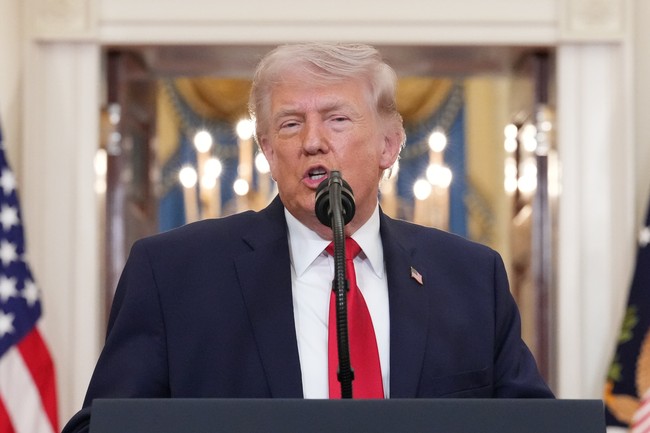
Publicly, President Donald Trump has set a deadline that carries both weight and risk, stating, “President Donald Trump has given them until Tuesday at 8 p.m.” to open the Strait of Hormuz. That deadline is meant to force a decision and deny Tehran the luxury of delay. The administration’s posture aims to create clear consequences for continued obstruction, and it signals to allies and adversaries alike that Washington intends to enforce maritime freedom.
Tehran’s social media responses have ranged from mocking to melodramatic, with some diplomatic accounts posting taunts that read like attempts at humor rather than serious deterrence. Those posts play well for domestic audiences and sympathetic corners of the internet, but they do little to alter military realities. A regime that has already seen key leaders eliminated and command structures degraded cannot rely on clever captions to change the calculus on the ground.
The tougher reality is Iran’s diminished conventional capacity and the heavy toll exacted by targeted operations against its leadership and infrastructure. After repeated high-value losses, Tehran’s ability to project sustained force has been degraded, and that limits options beyond asymmetric harassment. The rescue operation underscored how exposed Iranian forces can be when confronted by a determined, capable adversary. Performance in the field often speaks louder than propaganda, and recent events have spoken clearly.
There are historical lessons at play. When autocratic leaders taunt democracies, the results can be unpredictable and often unfavorable for the provocateur. The article compares Iran’s posture to other regimes that dared to defy U.S. resolve and suffered consequences, suggesting Tehran may discover the same harsh lesson. Those parallels matter because they frame how Tehran’s own calculations are likely to evolve under pressure.
Some on social platforms anticipated a decisive “find out” moment aimed at the regime, and public reaction reflected both relief and expectation. Online chatter can amplify pressure but cannot substitute for policy coherence and military readiness. The administration appears intent on combining diplomatic deadlines with kinetic options to secure maritime routes and protect American lives. That combination raises the stakes for any regime that mistakes bluster for deterrence.
Trying to change the course of a conflict with clever posts or insults is a gamble that rarely pays off against an opponent prepared to act. Iran’s online taunts will not shield it from strategic consequences if it continues to obstruct navigation and threaten regional stability. The rescue and the response that followed have already altered perceptions of capability and will, and those shifts are likely to influence decisions in Tehran in the coming days.
Editor’s Note: For decades, former presidents have been all talk and no action. Now, Donald Trump is eliminating the threat from Iran once and for all.

Add comment