
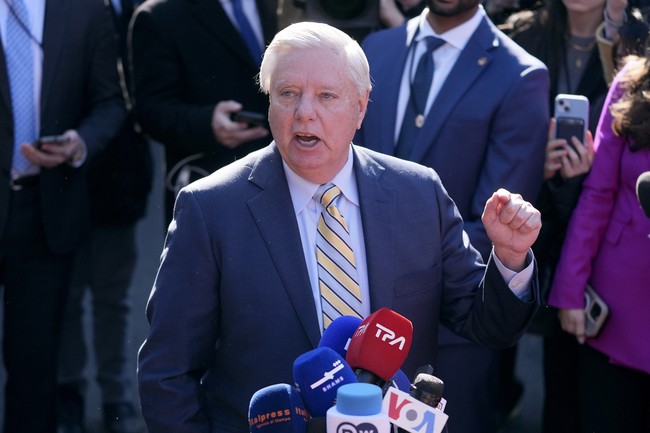
Senator Lindsey Graham Passes Away at Age 71
Lindsey Graham, the Republican senator from South Carolina, died on Saturday, July 11, 2026, at the age of 71 after what his office called a “brief and sudden illness.” He had been a prominent voice in Washington for decades, known for a tough stance on national defense and a willingness to work across the aisle at times. His sudden passing leaves a vacancy in the Senate and prompts immediate questions about leadership, committee assignments, and the future of key policy fights. This article outlines the facts and the context of his career and legacy.
Graham rose from a background in the military and state politics to win a seat in the U.S. Senate where he served for many years. He carved out a reputation as a hawk on foreign policy, consistently pushing for strong American responses to threats overseas. Domestically he was a conservative on fiscal and social matters and often defended traditional Republican priorities. That mix of interventionist foreign policy and conservative domestic policy made him a distinctive figure in the party.
https://x.com/LindseyGrahamSC/status/2076185414721847673
Throughout his Senate tenure, Graham was frequently involved in national security debates and high-profile confirmations. He chaired and served on committees where his influence shaped hearings and investigations that mattered to both constituents and the nation. Colleagues on both sides of the aisle sometimes praised his tenacity and occasional pragmatism even when they disagreed with his conclusions. His sudden death interrupts ongoing efforts on legislation and oversight that relied on his experience.
Graham’s voice was particularly loud on issues involving the military, NATO, and counterterrorism, where he argued for robust American leadership. He was an early and vocal critic of adversaries who threatened regional stability, and he pressed for preparedness within the U.S. armed forces. Republicans who prioritize a strong defense will note his consistent push to equip the military and maintain American strength abroad. That approach influenced budgets, foreign assistance, and the tenor of congressional debate for years.
In the Senate he could be combative and candid, traits that endeared him to some and alienated others. He built alliances with fellow conservatives on judicial nominations and tax policy while at times reaching across the aisle on procedural matters. His public shifts and occasional reconciliations were often covered by national media and became part of how voters and colleagues assessed his political craft. For many Republicans, Graham represented a blend of toughness and an ability to fight in the arena of ideas and policy.
Graham’s passing also raises immediate procedural and political questions in South Carolina and Washington. The vacancy will trigger state-level processes to fill the seat and will alter committee rosters that depend on seniority. Nationally, his absence changes the math on certain votes and could delay or reshape legislative priorities where margins were tight. Republicans will need to consider strategy for defending the seat and continuing the policy fights he championed.
Beyond procedure, his death invites reflection on the public role of a long-serving senator and the responsibilities that come with seniority. Graham’s time in office included moments of high drama, fierce partisan fights, and periods of collaboration. His impact on judicial confirmations, national security debates, and party strategy will be examined by historians and activists alike. For many within the Republican movement, he will be remembered as a stalwart advocate for a muscular American posture in world affairs.
Reactions from fellow lawmakers, veterans groups, and conservative leaders began arriving soon after the announcement, highlighting his influence on national security and judicial policy. Statements emphasized his commitment to service, his work ethic, and his willingness to stand up for what he believed was in the national interest. At the same time, opponents noted disagreements over policy or tone, underscoring the complex legacy of a public figure who spent decades in the political arena. The coming days will bring tributes, remembrances, and policy planning from those who worked alongside him.
This is a developing story.
His death at 71 leaves unfinished debates and a clear void in Republican leadership on issues he made a priority. As the party considers next steps, both in South Carolina and nationally, Graham’s record will inform discussions about how to carry forward priorities on defense, the judiciary, and conservative governance. His sudden absence will test the party’s bench and its ability to defend key seats and ideas in the months to come. The nation will watch how his colleagues respond and how his legacy shapes future policy fights.


America’s enemies will be stronger because a great strength has hone from us. Lock and load.
Lets pray that someone as good or even better with conservative patriotic values replaces Senator Graham soon!