
The piece argues that the South Carolina National Guard pilots who conducted a low, patriotic flyover at Myrtle Beach on the Fourth of July were unfairly suspended, that military leadership overreacted to online criticism, and that restoring a warrior ethos under leaders like Pete Hegseth and President Trump is the right direction.
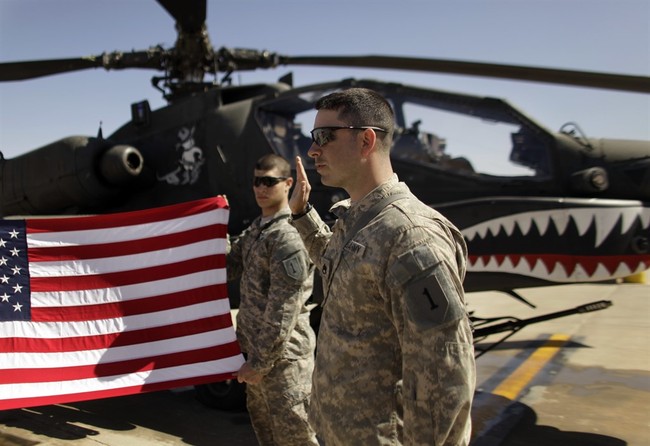
The Myrtle Beach flyover was a straightforward, stirring display of military skill and public pride that played well with crowds and captured the spirit of Independence Day. Apache helicopters from the South Carolina Army National Guard flew low during the Salute from the Shore event, thrilling onlookers and producing viral video. For many, the moment was a vivid reminder of what service looks like up close and personal, not an occasion for bureaucratic theater.
Instead of leaning into that positive connection, Guard leaders quickly grounded eight pilots while invoking standard safety review language. The pilots were described as being placed in non-flying roles and under investigation, even as officials insisted this was a routine safety step and not punitive. That reflex to suspend first and explain later smacks of leadership more concerned with optics than with supporting the troops who do the hard work.
The Pentagon eventually intervened and the suspensions were lifted, with Defense Secretary Pete Hegseth reportedly directing a return to normal operations and telling the force, “Carry on, Patriots.” That reversal was the right call and a timely reminder that decisions driven by a small, vocal online minority should not define how military leaders treat experienced aviators. Americans do not want their armed forces to be managed by committees frightened of tweets.
https://x.com/RedWavePress/status/2075560016011022350
There is a pattern here, not an isolated incident. Earlier this year, Army pilots faced a similar suspension after a training mission brought helicopters close to a public figure’s residence, and the Pentagon had to step in to halt the inquiry. In both cases a handful of online complainers pushed timid leaders to act first and think later, while the professionals who carried out approved missions were left to suffer the consequences. That dynamic undermines morale and signals to recruits that boldness carries administrative risk.
Safety and adherence to flight rules matter; there is no argument otherwise when heavy aircraft fly near crowds. But a culture that reflexively grounds pilots at the first hint of controversy is a culture that fears its own mission. Young Americans considering service want to join forces that prize courage, skill, and initiative, not bureaucracies that treat every demonstration of competence as a public relations hazard.
Events like Salute from the Shore do more to connect civilians with the armed forces than many polished recruitment campaigns ever will. Seeing skilled aviators perform controlled, dramatic demonstrations builds real enthusiasm and trust, because it shows what the military does in a way words cannot. That bond is crucial in a time when the services are wrestling with recruiting shortfalls and struggling to project a coherent warrior identity.
Leaders who defend their people against frivolous investigations are doing more than protecting careers; they are preserving an ethic essential to military effectiveness. When senior officials step up to stop virtue-signaling probes, they send a clear message that operational judgment and professional competence matter more than viral outrage. That clarity attracts recruits who prefer a decisive chain of command to a risk-averse corporate model.
The quick public outcry and the Pentagon’s intervention combined to correct the situation in this case, but the underlying institutional tendency remains worrying. If commanders continue to prioritize social media appeasement over demonstrable competence, the services will drift toward a timid form of governance that weakens readiness. The choice facing military leaders is simple: cultivate warriors or cultivate committees.
Controlled flyovers that honor the country and its citizens are not controversies; they are opportunities to celebrate service and inspire future volunteers. The pilots honored the holiday and performed without incident, and the subsequent lift of the suspensions was a victory for common sense. Keeping such events safe and celebratory should be the norm, not the exception.
Editor’s Note: Thanks to President Trump and War Secretary Pete Hegseth’s leadership, the warrior ethos is coming back to America’s military.


Add comment