
This Weekly Briefing rounds up the week’s top conservative takes: a fresh critique of the Supreme Court’s emergency docket and the media’s role, a Pentagon press scrum turned awkward by a tabloid, a Fed confirmation hearing with some political fireworks, the fallout from an Atlantic piece on a White House official, and a California debate where Republicans claimed the high ground. Read on for concise, punchy recaps and the exact quoted bits that mattered.
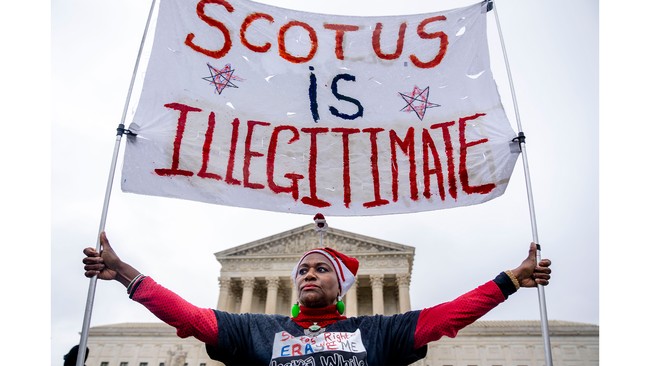
The biggest thread this week centered on the Supreme Court and how its emergency docket — the so-called shadow docket — has been portrayed and used. The piece argued that the process has become a problem for the Court and suggested media narrative often pins blame on one side. Conservatives see a different angle: activist judges and politically driven lawfare by the left have pushed the Court into quick decisions it never intended. That view insists the Court is responding to a real-world flood of requests created by partisan litigation and federal overreach.
The NYT further concluded that this emergency docket process is a bane to SCOTUS that has contributed to the undermining of the judicial body.
And, yeah, it’s all Trump’s fault.
Since then, even as the court’s approval ratings dropped, applications like the one it confronted a decade ago have proliferated, swamping the court’s ordinary work.
This is partly a consequence of a gridlocked Congress and presidents willing to push the boundaries of executive power, particularly Mr. Trump.
But it is also the result of the justices’ decision to entertain emergency requests like the one in 2016, warping procedures that had developed over centuries.
Perhaps someone could also point out to the brain trust at the NYT that it is the Left’s penchant for lawfare and the activist judges who make these highly partisan and ideologically skewed decisions that have resulted in the need for a method that expedites reviews and judgments by the highest court.
At the Pentagon briefing this week, a pop-culture outlet showed up and caused a stir over who gets to ask officials questions. Observers noted that the arrival of an outlet like TMZ into serious political forums forces a rethink about access and audience. Conservatives generally welcomed a tougher, less elite media environment where public figures face different kinds of questioning. Some said established outlets who’ve long had privilege should not be surprised when their gatekeeping is disrupted.
The confirmation hearing for a Fed chair nominee provided a lighter moment amid serious policy debate, when Senator Elizabeth Warren pressed for partisan responses. One write-up framed her line of questioning as more performative than substantive, and conservatives praised the nominee’s composure. The back-and-forth showed how confirmation hearings can become theater, but also underscored the stakes of who will help set economic policy. The clip that circulated highlighted the nominee handling pointed prompts with poise:
You would think a hearing about the Reserve, interest rates, and economics would be dry, but Massachusetts Democrat Sen. Elizabeth Warren brought some unintentional humor to the proceedings by breaking out her cranky, hen-pecking attitude when it was her turn to ask questions.
She kept badgering Warsh to disagree with Trump on something — anything. He did finally come up with an answer, but it certainly wasn’t what she was fishing for. Well-played, Kevin:
Another story looked at a harsh Atlantic profile of a White House figure and argued the piece is backfiring because of anonymous sourcing and unclear motives. The column suggested that relying on unnamed insiders weakens credibility and fuels skepticism among readers who already distrust legacy outlets. Conservatives pointed to that tactic as emblematic of a media culture that auto-assumes the worst about administration figures. The pushback framed the article as yet another example of an outlet piling on without transparent evidence.
The talk over the weekend that this had been a passed-around story that few outlets would touch is hinted at by Fitzpatrick’s teaming up with Jonathan Lemire from MS NOW for the piece. They claim they based this reporting on speaking with some White House officials, and as Sarah explained, it is “according to the more than two dozen people I interviewed about Patel’s conduct.”
Who these people are and what their positions entail for them to deliver empirical wisdom on these matters is a complete mystery, for, as we have become more than accustomed to, this is all relying on anonymous sourcing. This is just the beginning of the flaws in this hit piece. How is it you speak to 25 or more people, and not one of them has the stones to admit to their status?
California’s gubernatorial debate produced a predictable partisan scoreboard, with conservatives declaring clear winners among the Republican contingent. The analysis highlighted Steve Hilton and Chad Bianco as sharp and relentless in holding Democrats accountable for California’s problems. Commentators used the debate to underline the contrast between a party focused on solutions and a Democratic field stuck defending failed policies. That framing pushed the narrative that voters tired of big-government answers might be ready to listen to a different message.
The Weekly Briefing format once again aimed to pull the week’s moments into a tidy set of talking points, emphasizing media accountability, institutional strain, and political theater. These stories will keep driving conversation as conservatives press for reforms and a media that faces more scrutiny for how it covers politics. Expect these themes to reappear: the interplay between courts, press, and politics; accountability for officials; and debates that test messages ahead of major races.


Add comment