
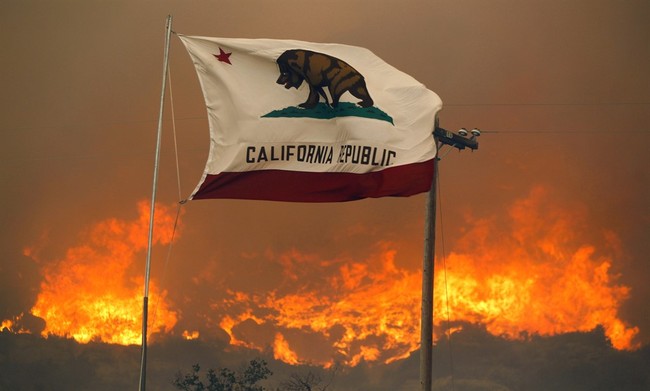
The town of Avenal, California, is locked in a messy standoff after voters overwhelmingly recalled their mayor and three council members over a controversial decision to create a city-run fire department, yet those officials are refusing to leave office while legal fights play out.
What began as a local dispute over public safety and spending turned into a full-on accountability crisis when residents forced a recall, expecting swift follow-through from their leaders and the law. Instead, the recalled officials argue the election was invalid and have stayed in their seats, prompting anger, lawsuits, and court interventions. That refusal to cede power has put a small community at the center of a larger debate about public trust and the rule of law.
Residents say the council pushed through plans for a new fire department and a fire marshal without the required public hearings, and critics warned the move would double the cost of fire protection. Those concerns drove a special-election effort that resulted in nearly 75 percent of voters choosing to remove the officials responsible. The recall was decisive, and citizens expected the consequences to be implemented promptly.
The recalled members contend the county improperly ran the special election and therefore claim the outcome is void because they say only the city could have held it. That argument has been rejected by an appeals court, which allowed the election to proceed, but the officials have remained in office anyway. Their continued presence has inflamed locals who feel their democratic choice is being ignored by elected servants who won’t accept defeat.
Anger boiled over at a recent council meeting where tensions were high and citizens demanded action, with some calling for a restraining order to make the officials vacate their seats. The council—excluding one member not subject to recall—voted unanimously to remain in place, a move that only deepened community frustration. People turned out to voice their objections and to insist that the will of the voters must be respected for local government to function.
Beyond the recall fight sits a practical problem tied to the rushed creation of the new fire department and the marshal’s office. The county fire department, which previously provided services to Avenal, found a building used by the fledgling city department failed to meet basic fire code. The building reportedly lacked electricity, alarms, and sprinklers, rendering the new department inoperable for weeks and creating a public safety vacuum.
A county judge later ordered the county fire department to reinstate its coverage, underscoring the consequences of hasty governance and poor oversight. Meanwhile, the city council has pursued litigation against county officials over the election, raising questions about how recalled and allegedly unqualified officials can legitimately bring suits or access public money. That legal limbo complicates any simple resolution for citizens who want their town to move on.
Community members have not been quiet about their displeasure. One attendee at a meeting captured the raw emotion in a single line that has since echoed around town: “Talk about corruption…you’re worse than Trump!” That quote reflects the scale of anger and the sense among locals that their leaders betrayed public trust and then refused to accept the consequences at the ballot box.
Local courts have rejected some of the council’s challenges, and judges have allowed the recall to stand, but the recalled officials’ refusal to step down is stretching the limits of ordinary civic remedies. When elected officials attempt to stay in office after being removed by voters, it forces the judicial system and law enforcement to step in, which can be costly and destabilizing for a small city. Citizens who expect accountability now face a drawn-out process instead of a quick return to normal governance.
This situation illustrates a broader point about governance: when politicians treat elections as optional, they erode public confidence in institutions meant to serve the people. Avenal’s residents voted decisively to change their leadership because they believed city decisions were being made without sufficient transparency or fiscal prudence. The next steps will test whether local rules and courts can enforce the results of a clear popular mandate.
For now, Avenal remains in a holding pattern, with county services temporarily restored and legal battles still unfolding. The town’s experience is a potent reminder that local politics matters and that citizens must stay vigilant when officials resist accountability. The community wants functional fire protection and leaders who respect voters’ choices; getting there may require continued civic pressure and judicial clarity.


Add comment