
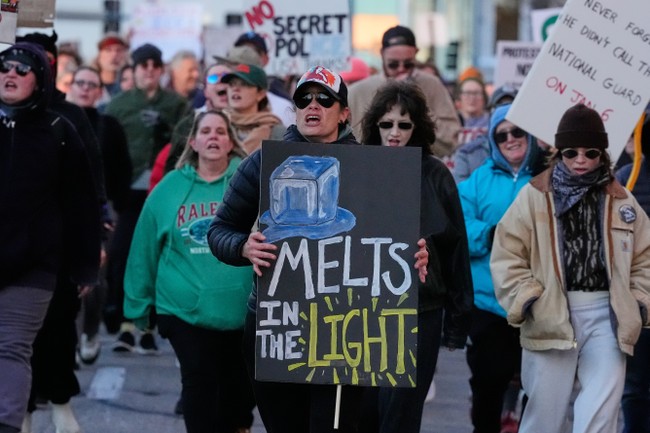
The anti-ICE Signal chats exposed in Minnesota reveal a coordinated network of activists, elected officials, and outside funders that Republican observers say amount to organized obstruction of federal law enforcement, with encrypted messaging, daily chat turnover, and a funding trail that includes foreign donors and crowdfunding platforms.
The chats were structured geographically and ran like shift work, with users signaling roles through emojis and daily chat resets that erased prior conversations. Encryption and anti-screenshot settings made casual recovery of messages difficult, which is why an independent journalist resorted to recording the chats externally. The setup reads like a disciplined operations plan rather than spontaneous protest coordination.
Payment records and a large donor spreadsheet surfaced, suggesting a substantial fundraising apparatus backing the activity. The first recorded donor was a Canadian involved with the crowdfunding platform used by the effort, which raises immediate questions about foreign influence in local agitation. Publicizing thousands of donor names forced additional scrutiny and alerted federal authorities to potential cross-border involvement.
Here is the quoted release posted by the researcher:
BREAKING: SIGNALGATE DONORS LIST AVAILABLE FOR DOWNLOAD; POLITICIANS + FOREIGN LEADERSHIP CONFIRMED?
In one of the files revealed by @camhigby, a resources file directs people with money to a website, Stand with Minnesota, which in turns directs donors to a campaign ran by Tending the Soil on Chuffed.
More about Tending the Soil later. What to know: the campaign is hosted by Chuffed and the first donation came from Jonny Soppotiuk, a Canada-based community organizer who is part of Chuffed leadership and specializes in fundraising. He is most likely a central figure in raising money.
So, yeah. Starting to look like foreigners are playing a key role in all of this.
That’s not all. I’ve put together a spreadsheet of 4000+ donors and their possible identities.
The participant list reportedly includes local elected officials and media figures, which to Republicans is deeply troubling because it suggests official actors were embedded in a scheme that interfered with federal operations. Some participants allegedly used their public profiles to recruit volunteers and direct local patrols, which crosses a line from advocacy into orchestration of obstructive activities. When public servants mix organizing with operational oversight, accountability questions follow.
Certain names have been tied to specific roles inside the chats, including organizers, dispatchers, and admins. One state representative allegedly ran a county-level “ICE Watch” program, coordinating patrols, training, and logistics. Another lawmaker openly said he was organizing a rapid response network and encouraged people to join Signal groups, effectively admitting a leadership role in the communications network.
Journalists and local reporters also appear on the roster, listed with their professions inside the chat. That blurs the line between reporting and participation, and conservatives argue it compromises journalistic objectivity when reporters are embedded in activist command structures. Some media accounts now show defensive moves, like locking social profiles, after being named in the chat logs.
One username tied to a city council member appeared to be active in the chats, and the last public post before a fatal shooting was a video showing a local business refusing service to federal agents. Such posts show how activism and direct action flowed from private chat planning into public interactions, then escalated on the street. The killing of a participant thrust the networks and their tactics into federal and public scrutiny.
Embedded administrators and organizers reportedly included former staffers, candidates, and city officials who functioned as admins and dispatchers. An investigative thread suggests a lieutenant governor’s office connection through a username that matches her regional ties, though the researcher did not claim absolute certainty. That kind of proximity to executive office is what drives Republican concerns about public officials enabling or failing to stop illegal interference.
The physical address tied to the incident is an 1100 square foot building that houses multiple community-oriented businesses and listed hundreds of health provider identifications under one roof. That clustering of services and the improbably high number of providers registered there prompt questions about oversight and potential fraud. Conservatives point to these anomalies as evidence that local authorities missed obvious red flags while political theater distracted from real governance failures.
Encrypted group dynamics, foreign-linked fundraising, active recruitment by elected officials, and media entanglement add up to a pattern that Republican readers will find alarming. The combination of tactical discipline and public-facing agitation makes this more than a protest movement, critics say; it looks like an organized campaign to shield illegal activity and hamper federal enforcement. Federal investigators are now involved, and more details are promised from those who captured the chats.
While supporters will call this community defense and rapid response, the Republican view emphasizes legality, accountability, and the need for clear separation between public office and direct action that obstructs law enforcement. As more records emerge, the political and legal implications will deepen, and watchdogs on all sides will press for answers about who coordinated what, who funded it, and who authorized that behavior.


Add comment