
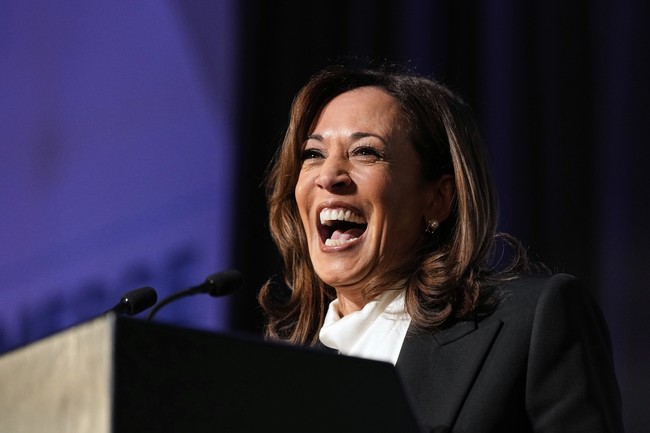
Kamala Harris publicly praised Minneapolis activists who disrupted Immigration and Customs Enforcement operations, celebrating tactics that summon crowds to confront federal agents and increase risk during enforcement actions. Her remarks—made during a conversation with a labor leader and repeated at other events—were explicit endorsements of organized interference, not mere calls to observe or document. This piece examines the language she used, the real dangers that follow crowd mobilization against ICE and Border Patrol, and how that stance fits into her broader political posture on deportation and enforcement.
Kamala Harris said the quiet part out loud in a recent conversation with a national union leader, praising local activists who have impeded federal immigration enforcement. She described the scene in Minneapolis in upbeat terms, framing neighborhood response as uplifting community action. That language matters because it crosses from encouragement of observation into endorsement of direct interference.
Her words about Minneapolis were not vague. They were direct, and they included this line: “In Minneapolis, just look at what we’ve been seeing. It’s so fantastic. People coming out with their whistles, they’re videotaping. And, you know, with perfect strangers and aiding Perfect Strangers, it’s been so beautiful to see.” That quote plainly celebrates tactics—whistles and mobilized neighbors—that alert and summon people to confront enforcement. Those tactics are intended to disrupt operations, not to peacefully document them.
Whistles and neighborhood alerts do not calm tense encounters; they escalate them by drawing crowds into the path of armed federal agents carrying out court-authorized orders. ICE and Border Patrol agents operate under legal authority from Congress and the courts, and organized attempts to obstruct those operations raise the likelihood of dangerous confrontations. When crowds are knowingly assembled to interfere, the probability that an encounter turns violent grows substantially.
Minneapolis is not hypothetical. The city has seen deadly incidents tied to immigration enforcement operations, including fatal shootings during ICE and Border Patrol activity that contributed to the end of a focused enforcement surge. Those outcomes underscore the stakes: disrupting enforcement is not a harmless civic exercise, it can have lethal consequences for officers and civilians alike. Celebrating interference while such risks are real reveals a troubling indifference to public safety.
Harris framed disruption as something uplifting in more than one line. She said, “When people band together, and we remember the strength of community, and we remember the strength of coalition and the power in, you know, it’s cliche, the power in the numbers, right?” That phrasing treats crowd leverage as an asset to apply against federal agencies. Later she added, “The power of numbers… we teach that to kids, right?” That is not casual rhetoric; it is an endorsement of using organized numbers to pressure or block lawful enforcement.
There is a clear distinction between documenting law enforcement and organizing to obstruct it, and Harris stepped across that line. Her praise was not about oversight or transparency, it was about mobilization. Encouraging people to assemble specifically to impede federal agents signals support for tactics that make the field more hazardous and the enforcement mission harder to carry out without incident.
This is consistent with other public statements she has made opposing deportation policy, including chanting against deportation at a public event. Taken together, her comments align her firmly with the more extreme elements of the party on immigration, favoring obstruction and protest over enforcement. That positioning places her left of many voters who, while open to reform, still back enforcement measures and deportation in many cases—especially for those with criminal records.
Federal agents already perform difficult and scrutinized work, often under hostile conditions and intense public attention. Promoting organized disruption makes it more likely that routine operations become flashpoints and that someone is hurt. Leadership demands judgment and restraint, because words can put people in danger when they translate into on-the-ground action.
Harris chose to applaud interference with federal law enforcement, and voters are left to consider what that says about how she would approach agencies she has publicly criticized. Imagining that mindset directing the same agencies she lauds activists for opposing raises clear questions about priorities and the balance between community protest and enforcing the rule of law.


Add comment