
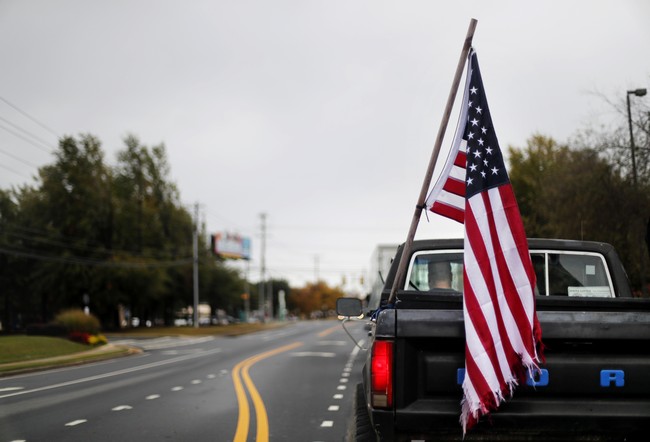
The Michigan Senate race turned ugly when an El-Sayed staffer compared Mike Rogers’ patriotic campaign truck to imagery tied to the KKK, sparking outrage and highlighting the extremes of political rhetoric in 2026.
Deranged: El-Sayed Staffer Tries to Tie Mike Rogers’ Patriotic Truck to the KKK and White Supremacy
Abdul El-Sayed, the progressive who won his party’s nomination for the U.S. Senate, faces more than policy debates — his campaign culture is now under scrutiny after a staffer’s inflammatory social media post. The post targeted a short campaign video of GOP nominee Mike Rogers riding in a red vintage truck during the Woodward Dream Cruise. The atmosphere around the ad was festive and nostalgic, complete with Toby Keith’s “American Ride” playing over footage of a flag-draped classic truck.
Most people watching the clip heard cheering and saw simple patriotism and car-culture pride; someone even exclaimed, “Gotta love this American Ride!” in the post. For many voters, the footage was unremarkable — a candidate enjoying a community event and connecting with voters in a familiar, Americana way. Yet the El-Sayed campaign’s political manager for Northern Michigan, Mason Pressler, described the video in starkly different terms on social media.
Pressler wrote: “Mike Rogers’ campaign has the aesthetics of a 1960s white flight suburb and a KKK cross burning.” That sentence landed like a punch, equating a nostalgic campaign scene and a vintage truck with organized hate and violence. To conservatives and many neutral observers, that comparison is not only unfounded but a dangerous escalation in the language of political smear.
Labeling everyday patriotic imagery as a dog whistle for white supremacy stretches credibility and trivializes real historical evil. This is the kind of rhetoric that moves debate away from issues voters actually care about: the economy, national security, and public safety. When campaign teams resort to wild accusations, it reveals more about their tactics than it does about the candidate they attack.
There’s a broader pattern here: progressives who dominate certain media circles often look for cultural or symbolic ways to frame their opponents as morally suspect. Turning a truck and an American flag into evidence of racism is part of a playbook that tries to collapse normal civic pride into a narrative of hate. That approach treats millions of Americans who display the flag or enjoy country music as suspect, which is both offensive and politically tone-deaf.
The Woodward Dream Cruise, where the footage was shot, is billed as a celebration of car culture that attracts diverse crowds. Rogers was participating in that event like countless others who bring vintage rides and family members to show off classic cars. Claiming such an appearance conjures up images of a cross burning is not just wrong; it cheapens both the event and the history of real victims of racial terrorism.
https://x.com/MikeRogersForMI/status/2089030193566404854
Some defenders of the post will cite historical links and party alignments from long ago, pointing out ugly chapters in American political history. The article quoted a museum curator saying, “The KKK is almost a paramilitary organization that’s trying to benefit one party. It syncs up with the Democratic Party, which really was a racist party openly at the time.” Those historical facts are real, but weaponizing them to smear a modern candidate over a harmless campaign ad is intellectual dishonesty.
Selective history and name-calling do little to advance meaningful political discussion. If the goal is to persuade swing voters in Michigan, launching broad-brush character assassinations against ordinary patriotic displays won’t win hearts or minds. It does, however, show voters the kind of staff and sensibility El-Sayed surrounds himself with — a staff comfortable with overheated analogies and public shaming.
Campaigns should focus on record, policy differences, and practical solutions for citizens, not on turning cultural symbols into evidence of extremism. Voters deserve candidates who engage substantively and treat public discourse with a modicum of decency. When staffers cross into rhetorical excess, it invites a backlash and distracts from the issues that actually matter to Michigan families.
For now, the episode is a snapshot of a larger problem: political teams willing to escalate culture-war accusations to score short-term points. That tactic might rally a small base, but it risks alienating moderates and independents who expect common sense and restraint in political debate. The Michigan campaign trail will show whether voters reject these extremes in favor of clear, honest discussion about the future.

Add comment