
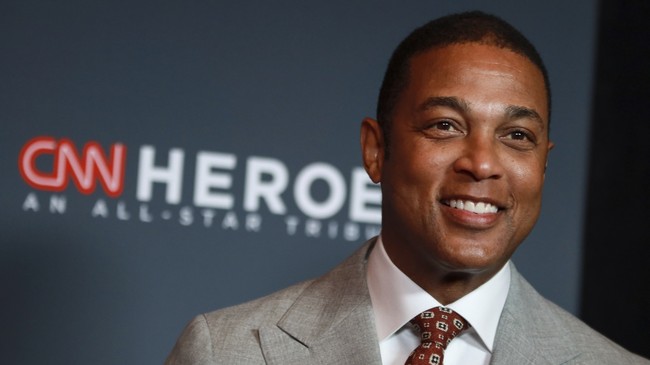
The former CNN anchor Don Lemon pleaded not guilty to federal charges after prosecutors say he took part in a coordinated disruption of a church service in St. Paul, Minnesota. The case centers on a Jan. 18 incident where alleged agitators entered Cities Church, interrupted worship, and caused the service to end early. Lemon calls the charges an attack on press freedom, while prosecutors point to livestream comments and witness accounts that suggest active participation.
The arraignment made headlines because it involved a high-profile media figure and a sensitive setting: a place of worship. Federal authorities charged Lemon with conspiracy against the rights of religious freedom at a place of worship and with violating the FACE Act, which protects religious exercise from violent or intimidating interference. Those are serious allegations that move beyond a simple reporting error or bad judgment on the job.
Lemon has defended himself by invoking three decades in journalism and the First Amendment as the foundation of his work. He told reporters outside court, “For more than 30 years, I’ve been a journalist, and the power and protection of the First Amendment has been the underpinning of my work. The First Amendment, the freedom of the press, the bedrock of our democracy.” That framing aims to turn the dispute into a constitutional fight over press protections.
Prosecutors offer a different picture grounded in witness statements and an affidavit describing the scene at Cities Church. They say the group of activists disrupted the service, intimidated parishioners, including children, and forced the service to end early. The affidavit also claims that stairs were blocked, preventing parents from reaching children in a downstairs childcare area, a detail that underscored the emotional stakes for jurors who will see the footage.
Video from the event shows Lemon streaming parts of the action, and his own words on that livestream are likely to be central at trial. During the livestream he referred to the action as a “clandestine mission” and said, “You have to be willing to go into places and disrupt and make people uncomfortable. That’s what this country is about.” Those remarks are not how a neutral observer speaks; they sound directive and celebratory of disruption.
From a Republican viewpoint, this case raises two issues at once: protecting the right to report and holding people accountable when they cross the line into intimidation at a house of worship. It is reasonable to defend journalists who report from contentious scenes, but that defense cannot be a blank check for participating in or orchestrating disruptive operations inside religious services. The law draws a clear line around the sanctity of worship.
Defense lawyers say prosecutors will have to prove intent and coordination beyond reasonable doubt, and Lemon’s team plans to challenge the grand jury materials and evidence collection. No one is being held in custody; Lemon was released under standard conditions while the case proceeds. That procedural reality does not change the evidentiary focus on livestream content and witness testimony the jury will evaluate.
For jurors, the case will turn on what the video shows and how they interpret statements made in the moment. Live reporting can be messy, and context matters, but prosecutors will argue that the action was planned and intended to interfere with religious worship. If the jury buys that narrative, constitutional arguments about press freedom will struggle to negate conduct that infringes on others’ rights to worship free from intimidation.
Public reaction reflects broader cultural tensions over protest tactics and where they cross legal and moral lines. Supporters of the activists may frame the episode as civil resistance aimed at immigration policy enforcement, while church members and many conservatives see a troubling pattern of aggressive interference that targets families and religious practice. Those competing frames will be part of the case’s background for jurors and the public.
The immediate legal fight will focus on discovery, grand jury materials, and whether statements like “You have to be willing to go into places and disrupt and make people uncomfortable” amount to direct evidence of a conspiracy. Prosecutors say the evidence shows more than observation, while the defense insists on protecting journalistic functions. The outcome will hinge on what the jury believes the footage and testimony actually show.
The process now moves to trial preparation, motions, and evidentiary fights that will determine what the jury sees and hears. At its core this is a test of boundaries: how we defend free reporting while safeguarding the right of congregations to worship without fear. Courts will have to weigh those interests carefully as the case unfolds in federal court.
Yep just another black democrat above the law guarantee he gets off with don’t do that again.