
I’ll cut to it: this piece compares Mayor Zohran Mamdani’s proposed New York City budget moves with Florida’s budget scale, highlights the fiscal trade-offs of redistribution, preserves the key quotes from Mamdani and others, and leaves the reader with a clear Republican critique of big-government budgeting choices.
“There ain’t no such thing as a free lunch.” That old Milton Friedman line still lands because it names a basic reality: resources are limited and someone always pays. When politicians promise sweeping giveaways without real revenue plans, they are painting a fantasy that taxpayers will eventually correct.
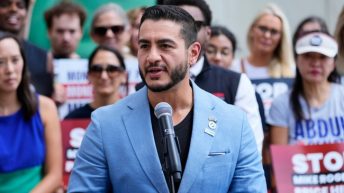
Mayor Zohran Mamdani campaigned on bold change and now he has to show how to pay for it. His preliminary budget claims a $5.4 billion gap and offers two supposed choices: Albany raises taxes on the wealthy or the city uses its own tools, which he admits would hit working and middle-class residents. That admission makes the populist rhetoric look hollow once you follow the money.
Leftist theory is heavy on redistribution, light on the incentives and consequences. If the rich are taxed away or corporations punished, investment and jobs suffer and the tax base shrinks. That leaves the remaining taxpayers, often middle-class families, to shoulder a bigger burden just to maintain existing services.
Today, I’m releasing the City’s preliminary budget. After years of fiscal mismanagement, we’re staring at a $5.4 billion budget gap — and two paths.
One: Albany can raise taxes on the ultra-wealthy and the most profitable corporations and address the fiscal imbalance between our city and state.
The other, a last resort: balance the budget on the backs of working people using the only tools at the City’s disposal.
The first path matches a structural crisis with a sustainable and fair solution. I know where I stand.
New Yorkers voted for bold change and competent leadership. We will deliver both, and we look forward to partnering with Albany to protect working New Yorkers.
That quote shows the political theater: threaten pain, promise someone else will pay, then complain when others do not. The practical effect of Mamdani’s plan is clear in the proposed property tax increase he calls a last resort. It would not only touch wealthy owners but more than three million households and many small businesses.
The mayor’s line about “working- and middle-class New Yorkers” being spared rings hollow when the policy levers he leaves on the table include a nearly 10 percent property tax hike. When a politician says he prefers wealth taxes but will use property taxes if necessary, the reality is the burden shifts to ordinary residents who cannot easily move their tax exposure abroad.
Mayor Zohran Mamdani on Tuesday proposed to raise property tax rates in New York City by nearly 10 percent, a measure he is preparing as a “last resort” to be deployed if he cannot persuade Gov. Kathy Hochul to raise income taxes on the wealthy.
The suggested 9.5 percent increase would affect more than 3 million single-family homes, co-ops and condos and over 100,000 commercial buildings, Mr. Mamdani said as he delivered his preliminary spending plan.
The mayor acknowledged that his proposal would not merely force the wealthy to pay more taxes, but would also be a “tax on working- and middle-class New Yorkers,” and stressed that this was not his first choice.
That reality should be unsurprising to anyone who understands how broad-based taxes work. Tax hikes on property or sales are notoriously regressive in effect, and they worsen affordability problems in a city already squeezed by high housing and living costs. Good governance should focus on spending restraint and economic growth, not expanding the tax burden on families that can least afford it.
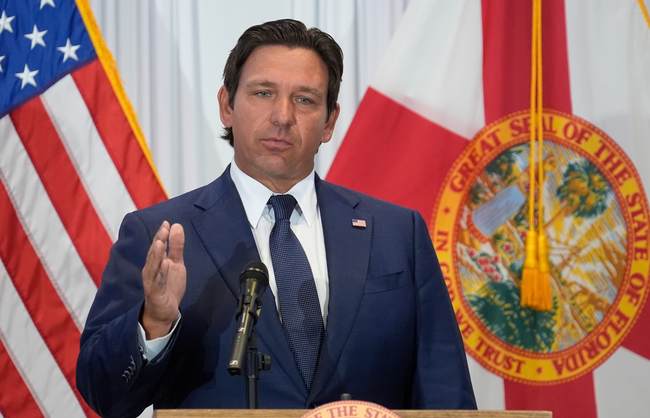
Governor Ron DeSantis pointed out a stark comparative fact that puts the New York debate into perspective: “FL = 23+ million people” and “NYC = 8 million people.” The entire Florida state budget stands at $117 billion, while New York City’s proposed numbers push into vastly higher per-resident spending territory. Those simple figures reveal how scale and spending choices matter in real dollars per resident.
$117 billion divided by 23 million equals $5,087 per resident, and $127 billion divided by 8 million equals $15,875 per resident. Those are rough numbers, but the takeaway is obvious: different budget philosophies yield dramatically different per-person obligations. New York’s model relies on heavier per-capita spending and redistribution, which in practice means higher taxes or bigger deficits down the line.
Mayor Mamdani’s ideological commitment to redistribution is now meeting political arithmetic, and the result is blunt: either Albany pays up or New Yorkers will. For those who favor economic liberty and fiscal realism, the right move is to restrain spending and make cities more attractive to businesses and families rather than extracting more from them. That’s how you grow the tax base instead of shrinking it.
History shows the consequences of sustained deficit spending and tax hikes that punish productivity. When governments prioritize redistribution over growth, the result is stagnation and fiscal crisis. New York City voters chose a different path, but the country should watch closely: the budget choices made now will determine whether the city prospers or pays the price.


Add comment