
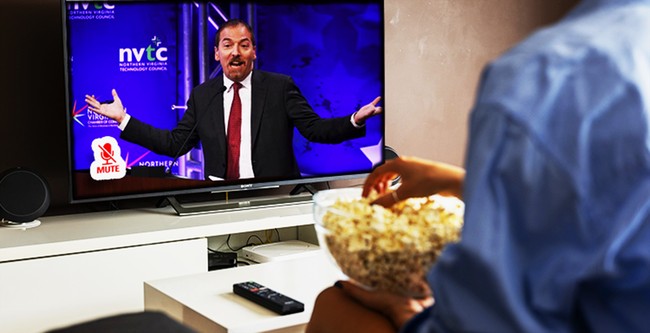
This piece criticizes media and Democratic responses after the White House Correspondents’ Dinner shooting, focusing on Chuck Todd’s remarks and broader left-wing reactions while preserving direct quotes and key details. It argues the attempted attack targeted Trump administration officials, calls out specific Democratic figures for their reactions, and examines Todd’s history of anti-Trump commentary as context for his recent statements about safety and chaos around the president. Embedded items are retained in their original positions for multimedia context.
It’s frustrating to watch the immediate reaction from many on the left and in the press after the White House Correspondents’ Dinner shooting. The assailant’s apparent targets were members of the Trump administration, yet much commentary unfolded as if blame could be shifted elsewhere. That detour away from the facts matters when the discussion needs to be about who plotted the attack and why.
Some responses were especially tone-deaf because they came well after reporting made clear who the suspect allegedly targeted. People on the left framed their takes in a way that painted the administration as the source of the violence, despite evidence pointing to a radical left-wing attacker. That inversion of victim and perpetrator is dangerous and undermines accountability.
High-profile Democrats compounded the problem by refusing to reckon with the attacker’s motives and instead lecturing about civility. Statements from national figures dismissed concerns about rhetoric while elevating commentators who have openly advocated violence against conservatives. That selective concern about political violence raises real questions about standards and consistency.
There were also attempts to rationalize escalating violence by pointing to federal immigration enforcement and other administration policies as provocations. One public figure wrote about violence not being the answer and then shifted to suggesting the administration’s actions contributed to unrest. Framing in that way after an attempted assassination risks excusing or contextualizing violence that is plainly criminal and ideologically motivated.
Into this atmosphere stepped Chuck Todd, who argued he will avoid future Trump events because he does not “feel safe” and believes “chaos follows [Trump].” Todd’s framing makes the president the source of danger, not the ideologically driven attacker who allegedly tried to kill administration officials. His stance flips responsibility in a way that protects the media narrative more than it protects truth.
“I don’t feel safe,” he said. “Chaos follows him.”
“If you decide to go into his orbit, you have become less safe. He does not care about your safety, he’s not going to protect you,” Chuck Todd said. “He’s more likely to throw you under the bus, and have you be the target of Iranian assassins, if you’re John Bolton or Mike Pompeo, and he’s going to pull any sort of federal support.”
“I keep thinking about when somebody using Donald Trump’s words and actions targeted me and a bunch of other members of the press, you know who I didn’t hear from? Donald Trump.”
“The guy doesn’t care when people commit violence in his name, he only cares when violence is committed against him, and he doesn’t see that he is a contributor to the atmosphere,” he said.
That quote is hard to reconcile with the attacker’s apparent ideology and stated targets. Calling the press the real victims and insisting Trump creates an atmosphere that invites violence is a narrative leap that avoids confronting radical left-wing threats. It also lets mainstream journalists off the hook for their years of partisan coverage and rhetoric.
Todd’s record is relevant here because he has repeatedly pushed anti-Trump narratives over time, from questioning the president’s mental fitness to labeling him authoritarian. Those prior judgments provide context for his current refusal to show up at Trump events, and they suggest bias rather than neutral concern about safety. When a prominent journalist consistently frames one political side as a danger to democracy, readers deserve to know how that framing shapes coverage.
His past comments include suggestions that the president’s nighttime tweets could indicate cognitive decline and comparisons of modern politics to historical authoritarianism. Those kinds of statements contribute to a media ecosystem that treats Trump as an existential threat, which in turn colors reactions to real-world violence. The cycle rarely includes clear, even-handed condemnation of attackers whose motives do not match the media narrative.
It is worth pointing out that turning an attempted assassination into a commentary about how short a skirt was or how unsafe journalists feel strains credibility. The focus should be squarely on the attacker, his manifesto, and the steps law enforcement will take to prevent similar assaults. Any effort to recast the story to protect preferred political actors undermines public trust at precisely the wrong moment.
Enough people on the left and in the media have a long history of incendiary rhetoric, and many of those voices have not acknowledged how their words land in a charged environment. Treating the press as the primary victims while downplaying ideologically driven attacks against public servants from the other side is a double standard that readers notice. Accountability requires honesty about who is calling for or inspiring violence and who is suffering as a result.
In short, the conversation after the WHCD shooting should be anchored in facts and clear condemnation of the perpetrator, not convenient narratives that absolve ideological allies. The immediate urge to politicize a violent act and reframe victims as villains only deepens national divisions and distracts from securing public safety and justice.
Editor’s Note: The mainstream media continues to deflect, gaslight, spin, and lie about President Trump, his administration, and conservatives.
Watch:
Add comment