
I’ll examine the internal fight at CBS News since Bari Weiss arrived, explain how language rules from activist groups shaped reporting, describe reactions to new leadership and the treatment of Tony Dokoupil, include the reported internal exchange about transgender terminology, and highlight what this reveals about newsroom culture and the challenges to changing it.
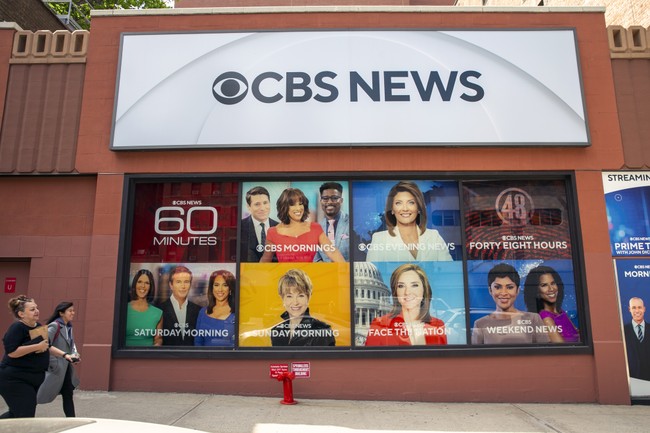
Journalists have been obsessing over the soap-opera drama inside CBS News since Bari Weiss took the reins, and that attention has exposed a lot about how newsrooms operate today. Weiss arrived promising a different tone, and the resulting pushback has become a proxy battle over what mainstream journalism should be. Opponents inside and outside the network have leaked and complained, making management changes feel like a public trial.
The friction is rooted in style and tone as much as in big editorial questions. Weiss has made it clear she wants reporting that reads as fair and balanced rather than as advocacy, and that alone has rattled many staffers who long ago accepted activist framings as standard. For folks used to a particular set of assumptions, even modest moves toward even-handedness feel like a betrayal.
One early flashpoint was Tony Dokoupil’s first week anchoring The CBS Evening News, which drew fierce criticism from peers and pundits alike. Critics who previously complained about attacks on journalists by conservatives now turned on one of their own, picking apart his performance and tone. Some of the barbs were shrill enough that they felt less like critique and more like theatrical pile-ons.
Most hilarious has been the charge that Dokoupil is now “.” Please. He is hardly a red hat-wearing stan dancing to “YMCA”; the man is married to Katie Tur, of MS NOW, after all.
A report surfaced describing a November clash over language choices when covering transgender individuals, and that episode illuminates the deeper cultural split. Staffers reportedly followed recommendations from advocacy groups when deciding terminology, and some colleagues pushed back, arguing the newsroom should avoid adopting language promoted by movements. That disagreement turned into an angry exchange that made clear how firmly some editorial habits are rooted in activist guidance.
With Weiss in charge, there have also been internal cultural clashes on issues that align with her worldview, including a previously unreported 6 November blow-up among staffers about language choices when writing about transgender individuals. A prominent correspondent at the network wrote in an email viewed by the Guardian that CBS “should refrain from adopting terminology advocated by the movement”, referring to guidance from the Trans Journalists Association’s stylebook about how to use the phrase “biological sex”. A producer responded angrily to the correspondent, writing: “It’s a TJA style ‘guide’ – that’s what I’m trying to do. Guide us to better coverage.”
https://x.com/thedailybeast/status/2009328776958648637?s=20
That exchange illustrates how activist style guides can set newsroom practice, often without broader discussion or pushback. Editors and producers who want to return to plain, commonly understood language bump into colleagues who see such moves as rolling back progress. The result is not only internal tension but also inconsistent coverage that readers notice and question.
Examples of the language at issue are familiar: phrases like “pregnant person” or “menstruating individual” have become common in some outlets, while others resist those formulations. Guidance from advocacy groups has been influential in shaping those choices, and when newsrooms adopt advocacy-driven phrasing, the line between reporting and promoting gets blurry. The fallout is predictable: audiences complain and trust erodes.
Some of the instructions from advocacy-oriented guides are contradictory when applied broadly, which creates confusion for reporters on the ground. Terms like Latinx or Latine are recommended to be used only when individuals prefer them, yet other labels such as cisgender may be applied more categorically. That unevenness fuels arguments that style choices reflect ideology more than consistent editorial principles.
When language policing becomes policy, journalism risks turning into a vehicle for particular viewpoints rather than a forum for clear reporting. That is the core of the resistance Weiss now faces: undoing decades of verbal norms tied to activism is messy and unpopular with those who benefitted from them. Expect this fight to be drawn out as editors, anchors, and producers push and pull over what counts as neutral coverage.
The story at CBS is a useful case study for anyone interested in media reform because it shows how culture and language shape the final product more than some readers realize. Changing newsroom habits requires both leadership and patience, and it guarantees loud opposition from those invested in the status quo. The broader takeaway is simple: editorial choices matter, and they shape public trust in ways executives and journalists can no longer ignore.



Add comment