
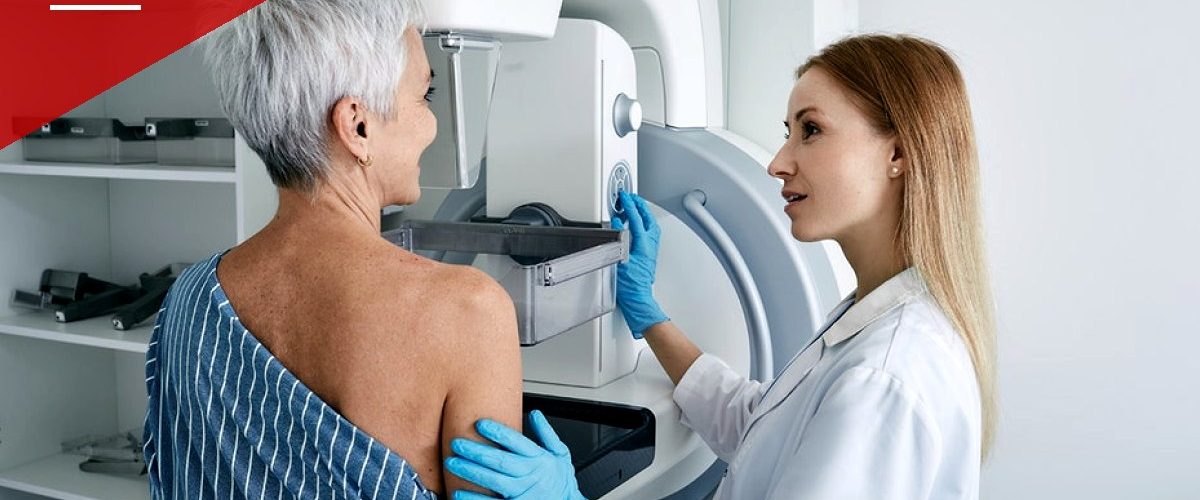
Researchers at NYU Langone Health and its Perlmutter Cancer Center have tested an artificial intelligence model designed to estimate a woman’s risk of developing breast cancer within the next five years, according to a study published in the American Journal of Roentgenology.
Unlike standard risk assessments, which typically rely on a single scan, family history or known genetic mutations, this tool reviews several years of a patient’s 3D mammograms to detect changes in breast tissue over time. The model was built using more than 313,000 mammograms drawn from more than 161,000 women.
Connie Lehman, a breast imaging specialist in Massachusetts and a professor of radiology at Harvard Medical School who was not part of the research, told Fox News Digital that tools like this could catch risk that conventional methods miss entirely.
“For decades, as a doctor and breast imaging specialist, I have cared for women who were shocked by a breast cancer diagnosis. Again and again, I heard: ‘How can this be? No one in my family has had breast cancer.'”
Lehman said a mammogram can offer more than a snapshot of whether cancer is present now. “A mammogram can tell us more than whether cancer is visible today — it can also provide information about a woman’s risk of developing cancer in the years ahead,” she said.
What It Could Mean for Screening
If validated further, the approach could let doctors tailor screening schedules to a woman’s individual risk level rather than applying the same protocol to everyone. Women flagged as higher risk could talk with their providers about supplemental screening such as MRI, while those at average risk could continue with routine mammograms, Lehman said.
Because the tool can analyze mammograms a woman has already had on file, generating a risk score would not require an additional imaging exam or extra radiation exposure, she noted.
Not a Diagnosis
Lehman was clear that an AI-generated risk score is not the same as a diagnosis and cannot guarantee whether someone will or won’t develop cancer.
“A higher score can prompt a conversation with your health care provider about additional screening and risk-reduction options. A lower score does not eliminate risk or replace regular mammography.”
The NYU model has not been authorized by the FDA for clinical use and remains strictly a research tool, Lehman said. The researchers behind the study also cautioned that further testing is needed, since the data used so far came from NYU Langone hospitals using imaging equipment from a single manufacturer.
The team plans to next test the model against data from other medical centers and mammography systems made by different manufacturers, according to NYU Langone.

Home-based job that pays more than 6,000 Dollar per month by doing simple tasks on a laptop or mobile device part-time. Last month, I earned 10,863 Dollar from this job by working 2 hours per day online. Very simple jobs to do, and the earnings are insane. Everyone can now make more money online by joining the website listed below…..
𝒋𝒖𝒔𝒕 𝒖𝒔𝒊𝒏𝒈 𝒕𝒉𝒊𝒔 𝒔𝒊𝒕𝒆.. Www.PayAtHome1.Com