
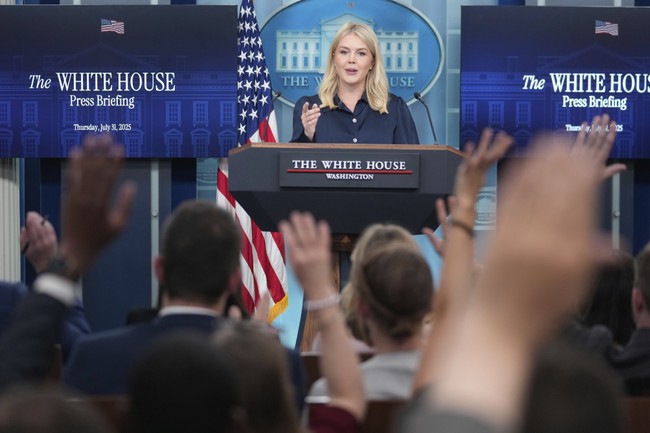
White House Tightens Press Access Around Press Secretary’s Office
The White House has issued new rules restricting reporter access to the office used by the press secretary, citing security and operational concerns; this move follows similar Pentagon measures and has already prompted objections from legacy outlets and some correspondents.
The administration says the change limits walk-in access to the West Wing office where communications staff work, and requires appointments for reporters who want to meet with officials there. Officials explain the revised policy responds to “recent structural changes” that place communications staff in closer contact with National Security Council matters. The message from the White House is clear: proximity to sensitive material demands tighter controls, not open-ended access.
The policy shift echoes earlier decisions at the Pentagon that curtailed where journalists could roam, a step taken to protect classified information and reduce unauthorized disclosures. That crackdown drew loud complaints from some media outlets at the time, but the administration framed it as a necessary step to safeguard national security. In both cases, the argument is practical: secure spaces need clear boundaries.
Reaction from reporters has been swift and vocal. After news of the White House memo surfaced, a prominent correspondent noted historical precedent and memory of a similar controversy in the 1990s. The tone from many in legacy media has been one of outrage, casting the move as a restriction on traditional press practices rather than a security measure. Still, officials insist the goal is to balance press access with the need to protect sensitive discussions and documentation.
Members of the media who cover the White House will no longer have free access to an office in the West Wing used by communications staff, the Trump administration said Friday in its latest move to rein in the press corps.
Reporters seeking to speak with White House officials in the office will now need an appointment, according to a memo released Friday by White House press secretary Karoline Leavitt and Steven Cheung, the communications director, both of whom work in the now restricted area.
The White House said the move was motivated by “recent structural changes” that require communications staff to be responsible for matters pertaining to the National Security Council. “In this capacity, members of the White House Communications Staff are routinely engaging with sensitive material,” the memo said.
Officials point to specific incidents to justify the tighter controls, saying some reporters have engaged in behavior that crossed clear lines. The administration claims there were cases of unauthorized recordings, photographs of internal materials, and reporters entering spaces they should not have. Those allegations, if accurate, present real threats to both operational security and private conversations between staff and cabinet members.
After the memo circulated, a New York Times chief correspondent referenced a past episode and linked the current policy to what he described as a 1993 instance. His post quickly drew attention and debate over how administrations handle press access and whether past decisions set a precedent. The exchange underscored how sensitive access policies can become lightning rods in media discourse.
White House communications staff responded directly in a public post that clarified their concerns and detailed the behaviors that prompted the restriction. They listed examples of improper conduct and defended their decision as a measured response designed to protect staff, officials, and sensitive information. The message emphasized that reporters still have routine access to the lower press areas and can make appointments for meetings.
Trump team bars reporters from the “upper press” office of the White House where the press secretary’s office is located. In this, Trump is following the lead of Hillary Clinton, who pressed the White House staff to do this in 1993. It provoked a storm and they rescinded the ban.
White House communications clarified the reported incidents in a follow-up statement that spelled out the alleged abuses. The statement said staff had found secret recordings of offices, photos of sensitive material, and instances of reporters eavesdropping on closed-door meetings. It also mentioned that cabinet officials who visited the communications suite sometimes encountered reporters waiting outside, creating ambush-like situations.
The administration’s communications team made clear that appointment-based access is not an attempt to shut out the press but to protect areas where high-level discussions occur and sensitive information is present. They reiterated that the main press areas remain open and that legitimate reporting needs will continue to be accommodated. The policy change is presented as targeted and conditional, not an outright ban on conversation or coverage.
Critics worry the move could chill reporting or create unnecessary obstacles for journalists covering the White House. Supporters argue it is a reasonable step to protect national security and the integrity of internal deliberations. The debate now centers on finding the right balance between press freedoms and operational security in spaces adjacent to the Oval Office.


Add comment