
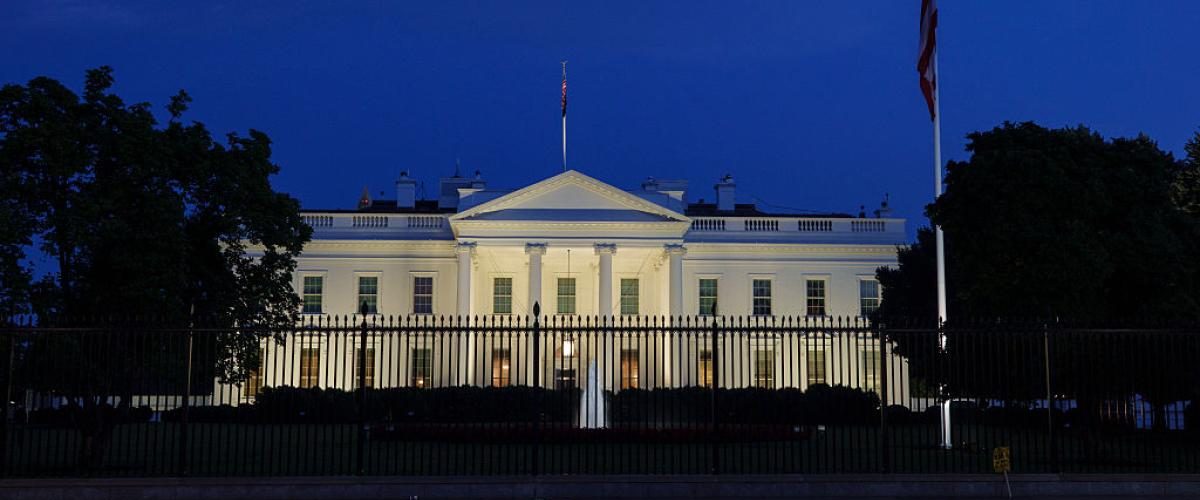
The United States has recently seen a significant boost in tariff revenue, raking in over $150 billion in just six months. This surge in income is attributed to the Trump administration’s efforts to overhaul international trade agreements. According to a post by the White House on X, “WELCOME TO THE GOLDEN AGE Thanks to the leadership of [the president], the U.S. has generated over $150B in tariff revenues within the past 6 months.”
This announcement coincides with a surprising trade agreement with the European Union. The deal maintained a 15% tariff on imports from Europe while securing new trade concessions from the EU. Such successes underscore the effectiveness of the administration’s trade strategy.
Lawmakers are now deliberating on how to utilize this influx of funds. Republican Senator Josh Hawley from Missouri has proposed a plan to distribute $600 rebates to American citizens. This idea reflects a broader discussion on how best to support American families.
The tariff revenue is seen as a testament to the administration’s commitment to protecting American industries. By imposing tariffs, the administration aims to level the playing field for domestic manufacturers. The recent agreement with the EU is a step towards achieving these objectives.
Conservative media outlets like Fox News and Newsmax have highlighted the positive impact of these trade policies. They emphasize how the administration’s approach has strengthened the U.S. economy. The revenue generated from tariffs is viewed as a win for American workers and businesses.
Critics, however, argue that tariffs could lead to higher prices for consumers. Despite this concern, the administration maintains that the long-term benefits outweigh any immediate drawbacks. The focus remains on fostering a robust and competitive economic environment.
The debate over tariffs continues to be a hot topic in Washington. While some see them as a necessary tool, others remain skeptical. Nevertheless, the administration is clear in its resolve to uphold the interests of Americans.
The recent developments have sparked discussions about the future of international trade. The administration’s firm stance has prompted other nations to reconsider their trade policies with the U.S. This shift in dynamics is reshaping global economic relations.
The administration’s trade policies have received praise from conservative leaders. They argue that these measures reinforce America’s position on the world stage. By prioritizing American interests, the administration is seen as championing a pro-growth agenda.
The conversation around tariffs and trade agreements is likely to persist. As the U.S. continues to navigate these complex waters, the administration’s strategies will remain under scrutiny. The ultimate goal is to secure favorable outcomes for the country.
Recent achievements in trade negotiations are celebrated by supporters. They view these victories as proof of effective leadership and sound policy-making. The administration’s focus on delivering for the American people is at the forefront of these efforts.
The broader implications of these trade agreements are yet to be fully realized. As the landscape evolves, the administration is keen on maintaining its momentum. The emphasis is on fostering economic prosperity and stability.
Conservative voices continue to advocate for policies that prioritize American interests. They argue that such an approach is essential for the nation’s success. The debate over tariffs is a reflection of this enduring commitment.
The influx of tariff revenue presents new opportunities for the U.S. government. Decisions on how to allocate these funds will be crucial in shaping the country’s future. The administration’s focus remains on ensuring these resources benefit all Americans.
The administration’s trade policies reflect a broader conservative ideology. This perspective emphasizes the importance of strong leadership and economic growth. As the dialogue continues, these principles remain central to the discussion.
The conversation around tariffs and trade agreements is likely to persist. As the U.S. continues to navigate these complex waters, the administration’s strategies will remain under scrutiny. The ultimate goal is to secure favorable outcomes for the country.
Add comment