
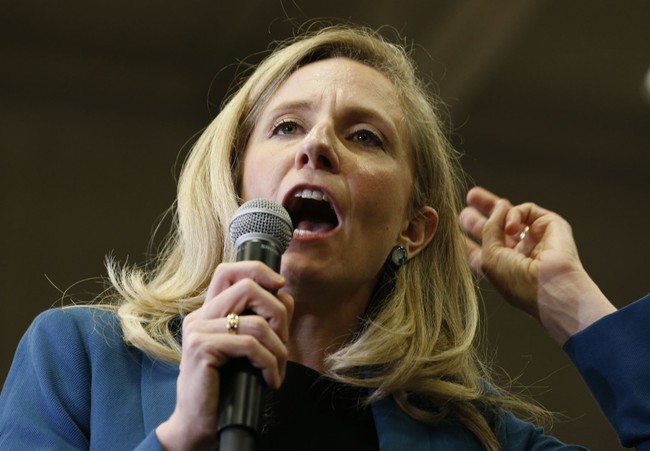
The incoming governor of Virginia has named a former FBI field-office chief, whose tenure included a controversial report about Traditional Latin Mass Catholics, to lead the state’s public safety and homeland security office, and critics from the right are already warning this choice signals trouble for religious freedom and fair law enforcement in the Commonwealth.
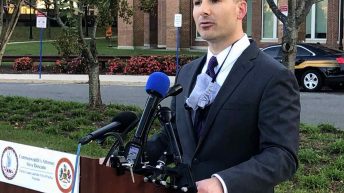
Abigail Spanberger’s pick for Virginia Secretary of Public Safety and Homeland Security is Stanley Meador, a longtime FBI official who ran the Richmond Field Office during a period when the bureau produced a report that labeled certain Catholics as potential threats. Spanberger praised Meador’s decades of service and said he will bring expertise to protect Virginians and support law enforcement. Those lines echoed the familiar political script of defending credentials while moving past controversy.
Republicans, however, responded sharply. Representative Jim Jordan highlighted Meador’s record as cause for concern, pointing to the Richmond office’s work that drew attention and criticism for targeting Catholics, especially those who attend the Traditional Latin Mass. What was presented as intelligence about potential threats quickly became, in the eyes of many, an example of overreach that conflated religious practice with extremism.
“I know Mr. Meador’s decades of service to our country and our Commonwealth will bring the expertise necessary to protect our citizens, support the brave men and women of law enforcement, and make sure Virginia is a place where every Virginian can safely thrive — no matter their zip code.”
That quote came from the governor-elect when she announced Meador’s appointment, and it underlines how political leaders often emphasize trust in public servants even when serious questions linger. Reports tied to Meador’s field office referenced material from a range of outlets and organizations, and critics argue the end result mischaracterized devout Catholics as a domestic threat instead of treating religious communities as law-abiding citizens.
Coverage from 2023 first brought the Richmond memo to wider attention, showing an intelligence analysis that introduced terms like RMVEs and RTCs. Those acronyms—Racially or Ethnically Motivated Violent Extremists and Radical-Traditionalist Catholics—stuck in the public’s mind as symbols of a bureau that some say was too quick to pathologize dissenting cultural or religious identities. The fallout from that labeling has not fully faded.
Further scrutiny followed as documents released later revealed internal debates and actions within the FBI that suggested bias and efforts to manage how those findings were portrayed. Congressional disclosures added fuel to the controversy, with senators noting the appearance of institutional prejudice rather than a neutral, narrowly tailored focus on actual criminal threats. For many conservatives and religious liberty advocates, those revelations confirmed long-held concerns.
Meador’s defenders point to a lengthy career in federal law enforcement and stress that experience matters when overseeing public safety. Meador himself issued a statement expressing commitment to protecting communities and strengthening partnerships, describing his service as guided by dedication, integrity, and commitment. For supporters, that language reassures that his goal will be to keep Virginia safe.
“Throughout my career, I have been committed to protecting our communities and strengthening the partnerships that keep them safe. As a native Virginian, I look forward to supporting Governor-elect Spanberger’s vision with the same dedication, integrity, and commitment that have guided my service for nearly three decades. Together, we will work to serve and protect all the members of our great Commonwealth.”
But opponents warn that choosing someone tied to past policies that targeted religious Catholics undermines trust at the very moment Virginia needs public confidence in its safety agencies. They argue that law enforcement leaders must demonstrate impartiality, not appear to carry the baggage of prior investigations that seemed to stigmatize a faith community.
The nomination also raises broader questions about how intelligence and law enforcement balance the line between preventing violence and preserving civil liberties. When federal pieces lump cultural or liturgical preferences in with extremism, critics say it chills religious expression and erodes the principle that people of faith should not be surveilled for their worship. That argument resonates particularly strongly within communities who felt singled out by the Richmond analysis.
As Meador prepares for his new job overseeing public safety for all Virginians, Republican voices promise oversight and scrutiny, and faith leaders remain wary. The appointment will test whether the incoming administration can build genuine assurance across political and religious lines that the Commonwealth’s security apparatus respects liberty while addressing real threats.
Add comment