
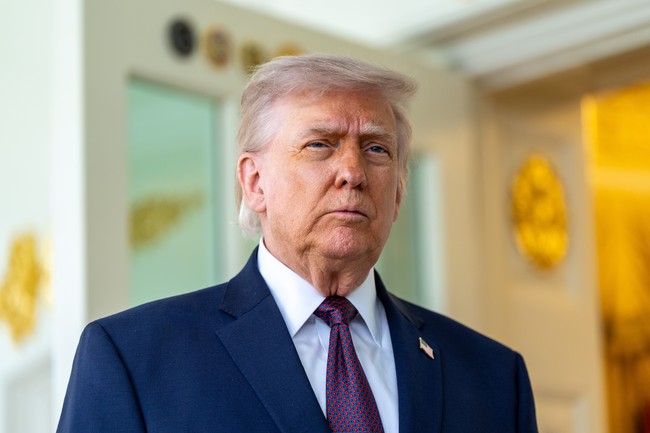
President Trump called off the Islamabad trip by envoys Steve Witkoff and Jared Kushner, citing a refusal to send his team on long flights to negotiate without leverage; this move reflects a blend of firm diplomacy and strengthened military posture as the administration presses to extract real concessions from Iran while keeping U.S. options visible.
President Trump stopped the envoy mission after a direct phone exchange with Fox’s Aishah Hasnie, making clear he would not tolerate theater visits that yield nothing. The cancellation underscores a willingness to use leverage rather than ritual diplomacy, and it signals that the administration prefers results over empty gestures. That attitude plays well with an American public tired of photo ops that produce no security gains.
As reported on Fox, Kayleigh McEnany outlined the decision on “Saturday in America,” noting the president’s impatience with fruitless travel and soft bargaining. The move came after earlier confusion about who might travel to the region and when, and it closed a chapter that risked making U.S. negotiators look weak. The administration is choosing negotiation backed by strength rather than symbolic trips that invite snubs.
President Trump has told our own Aishah Hasnie that he has canceled his envoys’ trip to Pakistan to hold talks with Iran. Aishah Hasnie sending us this direct quote from the president:
“I’ve told my people a little while ago they were getting ready to leave, and I said, ‘Nope, you’re not making an 18-hour flight to go there. We have all the cards. They can call us anytime they want, but you’re not going to be making any more 18-hour flights to sit around talking about nothing’.”
This is significant, it came after the trip earlier in the week where we thought the vice president, JD Vance, would be going to hold talks was scuttled. So that is breaking news from our own Aishah Hasnie.
That plainspoken quote captures the president’s message: diplomacy is useful when it produces security, not when it produces headlines. The administration insists on tangible steps that remove Iran as a base of regional terror influence and halt nuclear proliferation. Americans who remember past deals that left our interests exposed welcome a stance that ties talking to enforceable results.
Respect for negotiation is not the same as appeasement, and even Winston Churchill warned of endless chatter when action is required. As Churchill said, “To jaw-jaw is better than to war-war.” The point here is pragmatic: talk until it produces concessions that enhance stability, otherwise back up words with credible deterrence. That mix of firmness and openness is what helps keep the peace on terms favorable to the United States and its allies.
The administration’s refusal to send envoys on a likely unproductive trip also reflects frustration with Tehran’s conduct in the talks. Iranian hardliners and obstructionist moves have repeatedly undercut progress, and Tehran’s recent posture convinced the White House that showing strength mattered more than another diplomatic theater. The president signaled that when Iran is ready to engage seriously, the U.S. will be at the table with conditions, not excuses.
At the same time, the Pentagon has adjusted forces to ensure diplomatic leverage is matched by military capability in the region. The USS George H. W. Bush carrier strike group was reassigned to U.S. Central Command, increasing the number of carrier strike groups operating in the theater. That repositioning is deliberate: pressure and readiness create negotiating space while deterring miscalculation by hostile actors.
With additional carrier power in place, the administration isn’t issuing idle threats; it is showing that talk will be backed by action if necessary. Critics who complain about “muscling up” miss the point: credible defense posture protects diplomatic options and protects allies. A strong military presence amplifies the value of any concessions obtained at the negotiating table.
President Trump deserves credit for holding firm on core objectives while remaining willing to negotiate to remove Iran’s capacity to foment terror and to halt nuclear advances. That balance—unyielding on red lines, flexible on method—reflects a realist approach to foreign policy that prioritizes American security. It also sends an unmistakable message to partners and adversaries that U.S. engagement now comes with terms.
This episode also exposes a broader lesson about diplomacy: U.S. negotiators cannot be effective if they arrive on someone else’s timetable and without leverage. The president’s decision prevents American representatives from being put in a position where they are expected to accept unrealistic demands or to be humiliated on foreign soil. Better to wait for an opportunity to negotiate from strength than to reward obstruction with attention.
An administration that mixes frank talk with credible force rebuilds deterrence and restores respect for American diplomacy. The cancellation of the Islamabad trip is a calculated step in that direction, not a retreat from engagement. When Tehran chooses substantive negotiation, the United States will be ready, and it will insist those talks produce real security outcomes.
Editor’s Note: Leadership that ties diplomacy to outcomes and backs words with strength strengthens American deterrence and restores confidence in our foreign policy.

Add comment