
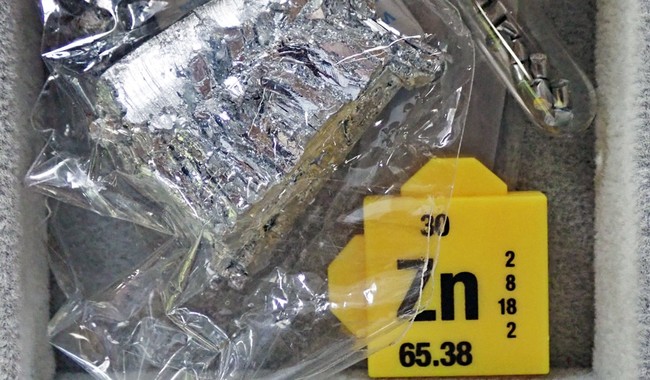
The U.S. has welcomed a major investment: Korea Zinc plans a multi-billion-dollar smelter and processing complex in Tennessee that officials say will strengthen domestic supply chains for critical minerals, reduce dependence on China, and create hundreds of manufacturing jobs while anchoring advanced industries and national defense needs.
Korea Zinc announced a $7.4 billion project to build a smelter and processing facility in Tennessee, a move described by the administration as a strategic boost to American industrial capacity. The facility is intended to produce large volumes of essential materials domestically, shifting processing and refining back to U.S. soil after decades of outsized foreign control. Federal backing and strategic investment were emphasized as key parts of making the project viable and secure for long-term American use.
Commerce Secretary Howard Lutnick publicly praised the deal and highlighted what the new plant will make and why it matters for the economy and defense. He framed the investment as a win for jobs, supply-chain resilience, and technological leadership, noting that producing critical minerals here reduces exposure to geopolitical risk. The administration has repeatedly argued that onshoring processing for these inputs is central to protecting military and civilian industries alike.
The announcement included a list of materials the plant will handle, naming elements that are vital to modern electronics and defense systems. Officials pointed to gallium, germanium, antimony, and other elements used across semiconductors, AI systems, quantum computing, autos, and data centers. The scale of planned production—hundreds of thousands of tons annually—was presented as a direct way to cut import reliance and give manufacturers more predictable access to feedstocks.
Today, we announced a major investment with Korea Zinc to build a state-of-the-art critical minerals smelter and processing facility in Tennessee that will produce 540,000 tons per year of essential materials right here in America.
Senators and state leaders welcomed the project as both a local economic boon and a step toward securing strategic supply chains. Tennessee officials have pointed to the potential for hundreds of middle-class manufacturing jobs and long-term community investment tied to expanded industrial capacity. Lawmakers described the plan as a clear example of industrial policy that pairs private capital with public support to achieve national goals.
This project will expand the United States’ capacity to produce the minerals that power our advanced industries and defense capabilities, strengthening national security while delivering high-paying jobs for hundreds of Tennessee families.
The company behind the plan is a major global smelter with extensive experience in zinc and related metals, and markets reacted strongly to the news. Reports of the deal triggered sharp stock moves for the parent company as investors priced in the expanded footprint and potential new revenue streams. The proposal envisions purchasing an existing zinc operation, establishing a U.S. headquarters, and investing billions in modern smelting and processing infrastructure on American soil.
Concern over reliance on Chinese processing of critical minerals has driven much of the urgency behind this initiative. Policymakers argue that when a single foreign power dominates refining capacity, the United States is exposed to sudden export controls and supply shocks that could cripple manufacturing and defense production. Recent episodes of export restrictions have reinforced those fears and pushed the administration to seek layered solutions: domestic mining, recycling, and now major processing investments.
Building substantial refining and processing capability domestically is framed as an insurance policy against geopolitical leverage. By ensuring more of the production chain takes place here, officials say the country can stabilize costs, protect sensitive technologies, and sustain sectors that rely on steady access to specialty metals. The president’s team views these investments as part of a broader industrial strategy to bring manufacturing back and secure high-value supply chains.
Local economic impacts are a central selling point for the project, with officials forecasting jobs in construction, operations, and supporting services that will ripple through the region. Beyond payrolls, the presence of a major processing hub is expected to attract suppliers and related industries, creating a longer-term industrial cluster. The combination of federal support, a major industry partner, and local political backing is being presented as the model for future critical-mineral projects.
As the plan moves through regulatory and permitting stages, questions remain about timelines, environmental oversight, and exact ownership structures. Proponents emphasize oversight, community benefits, and secure ownership arrangements to ensure the operation serves U.S. strategic interests. Opponents and watchdogs will be watching permits and impacts closely, but backers argue that the strategic upside for national security and jobs makes this a defining industrial moment for the region and the country.



Add comment