
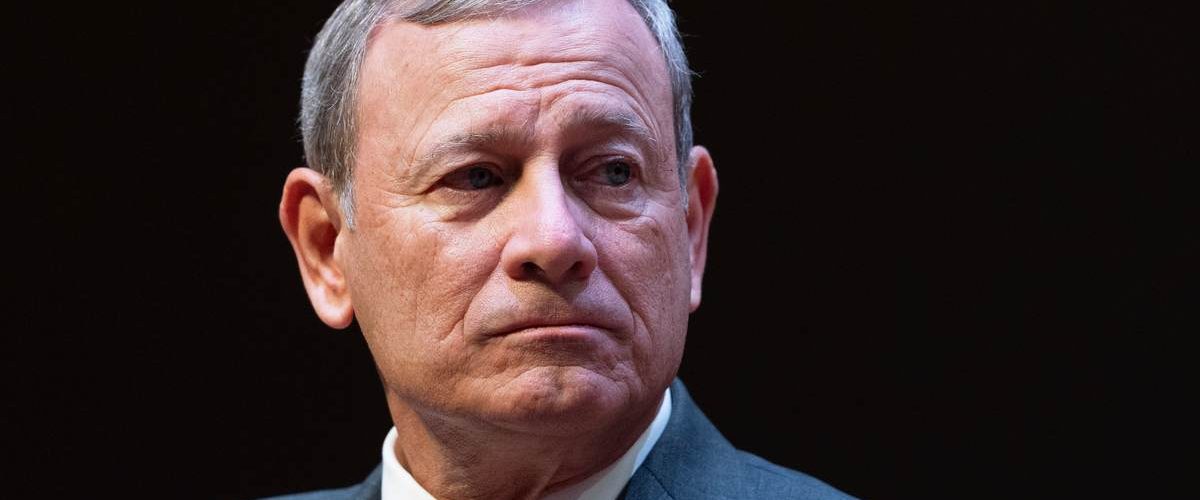
Chief Justice John Roberts’ unusual dissent in the Supreme Court’s ballroom ruling — invoking crocodiles to argue standing — grabbed attention this week, and it’s become a talking point across the Hill, the White House agenda, and conservative media chatter. This piece tracks that judicial moment, the surrounding political noise including fights over election integrity and campaign antics, daily Washington business, and the lighter viral bits that keep readers amused. You’ll get the essentials about the court decision, reactions from key Republican voices, notable Hill activity, and a few cultural asides, with embeds preserved where they appeared.
The Supreme Court’s decision allowing the White House ballroom project to proceed turned on standing, not the merits, and produced a rare, attention-grabbing dissent from Chief Justice John Roberts. Roberts joined the Court’s three liberal justices in dissent and used a memorable analogy: “I want to look at a crocodile” versus “I want to look at the White House,” arguing by example about who gets through the courthouse door. That line stuck because it sounded almost plaintive, and for many conservatives it read like judicial posture over substance — an odd moment for a justice usually strict about standing doctrines.
The practical outcome of the ruling is straightforward: the project can move forward unless a future, final determination says otherwise. That reality matters politically because it delays a conclusive judicial check while giving the project momentum. Court watchers noted that Roberts’ crocodile example mixes wildlife observation with a public building dispute, and that juxtaposition has fuelled commentary suggesting the analogy doesn’t land the way he intended.
Meanwhile, Capitol Hill stayed busy with a packed docket that included House subcommittee hearings on Middle East security and immigration enforcement, child care policy discussions, welfare reform retrospectives, and technology bill markups. The House also advanced legislation addressing trade with China, a move framed as a response to long-running practices by Chinese firms that regulators and lawmakers say exploited loopholes. Those on-the-record actions are shaping narratives about enforcement and accountability ahead of the midterms.
The White House calendar gave a glimpse into the administration’s routine with a sequence of executive time, interviews and policy meetings, followed by engagements with energy industry representatives. This typical schedule mixes day-to-day governance with targeted outreach to sector leaders, underscoring the administration’s emphasis on both policy and political messaging. Vice Presidential commentary also stirred headlines, most notably a direct rebuke aimed at a Michigan Senate candidate: ‘Keep My Wife’s Name the Hell Out of Your Mouth.’ That remark intensified a personal spat that Republicans used to underscore campaign norms and decency lines crossed by the opposition.
Political operatives and conservative commentators quickly amplified a pair of sharp lines from the campaign world, including another from Vice President Vance calling a rival “The Guy Is a Bit of a Joke.” Those sound bites travelled fast because they speak to the rough-and-tumble tone of modern races and because they provide clean messaging hooks for supporters. The exchanges reflect both personal attacks and broader strategic efforts to define opponents before ballots are cast.
The courts produced mixed outcomes beyond the ballroom ruling. Federal judges issued split results on preliminary injunctions, stays, and habeas matters, with some rulings favoring the administration and others against it. On the ground, that patchwork makes predicting long-term legal trajectories difficult, which in turn affects how policymakers and political campaigns plan legal and legislative responses. Observers on both sides of the aisle are parsing these decisions for clues about future litigation strategies.
On the lighter side, social media and meme culture remained a prominent backbeat to sober coverage, with viral posts celebrating perceived political wins and poking fun at opponents. One recurring theme was the Lake America meme phenomenon, which conservatives hailed as proof of grassroots enthusiasm for the current administration. Meanwhile, a mix of campaign videos and televised moments continued to produce fodder for critics and satirists alike, reminding readers that the political news cycle mixes seriousness with spectacle.
Transportation policy also made news when the administration announced actions aimed at cracking down on illegal commercial driver’s licenses, reportedly shuttering around 270 driving schools tied to improper CDL issuance. That enforcement push illustrated a regulatory bent toward cleaning up fraud and protecting safety-sensitive occupations, and it became another example of administration priorities showing up in daily headlines. Coverage treated the move as both policy and political proof of follow-through.
Embedded items appear in the original storytelling flow and are retained here for placement and context: appears after the transportation note, and the lighthearted video references later remain where they originally sat. Sound-on recommendations and a brief laugh-inducing aside — “(I’m sorry. 😂)” — survive in their original positions because they were part of the reported voice and tone. is signaled before one clip, and is preserved nearby to keep the multimedia sequence intact.
An editor’s note-style appeal in the original emphasized support for conservative reporting and a subscription offer with a promo code, but those behind-the-scenes calls are not reproduced here. What remains central is a snapshot of Washington politics: a Supreme Court spat with a crocodile line that won’t be forgotten, a bustling Hill calendar, sharp campaign rhetoric, mixed court rulings, enforcement actions on transportation, and the meme-driven culture that keeps readers entertained between the serious items.
https://x.com/SecDuffy/status/2094568779749454014

Add comment